




Antique Spool Table
These antique spool table pieces bring turned wooden form into domestic spaces, prized for their decorative bobbin legs and historical timber construction.
Antique Spool Table
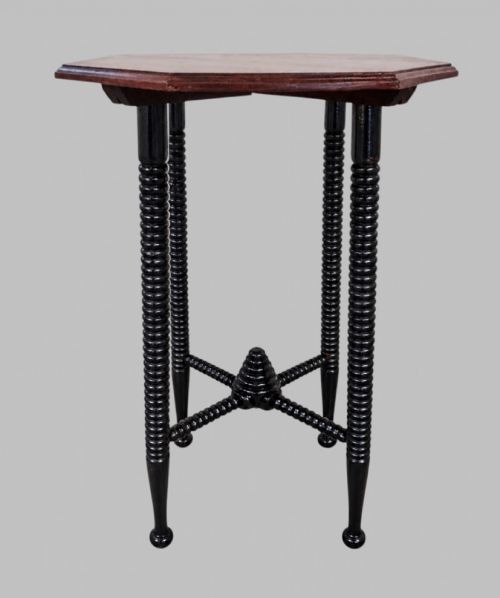
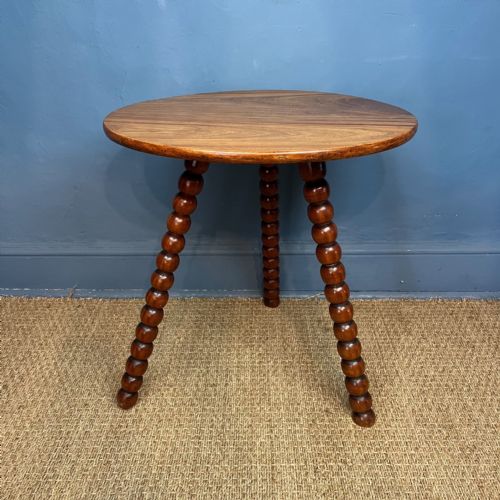
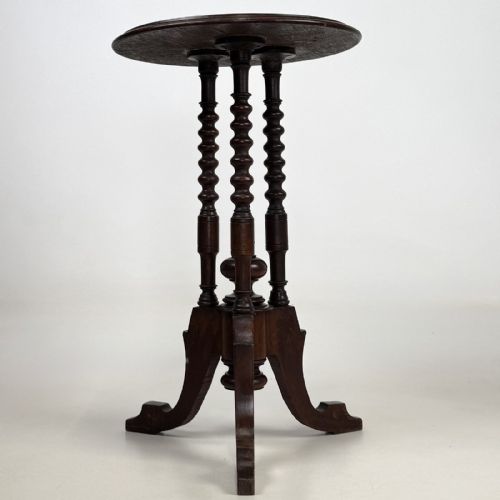
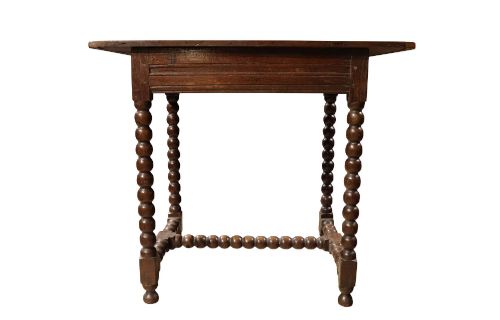
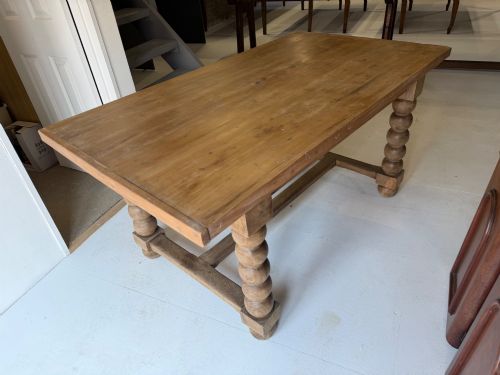
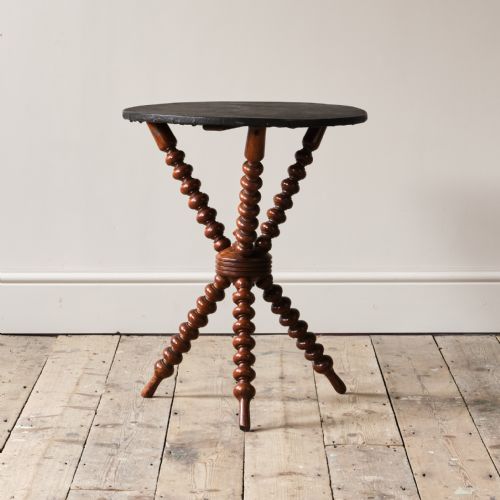
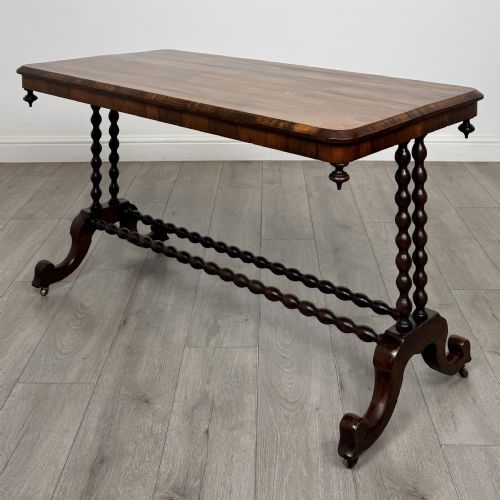
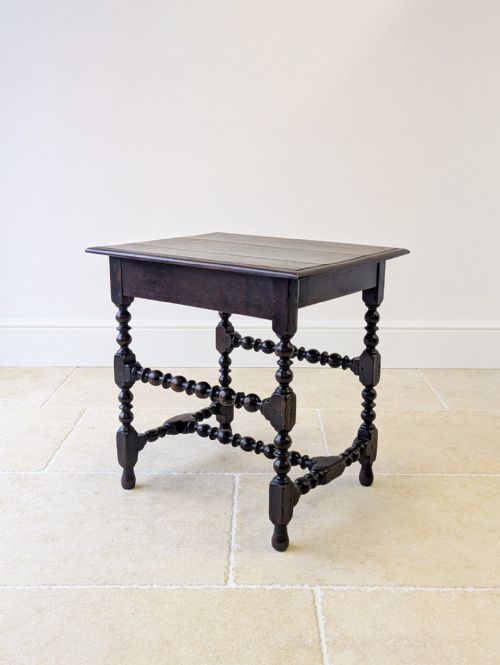
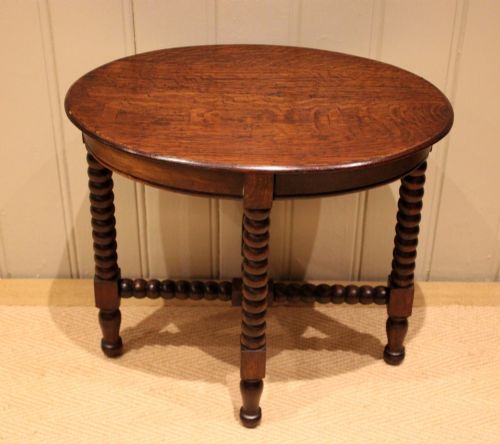
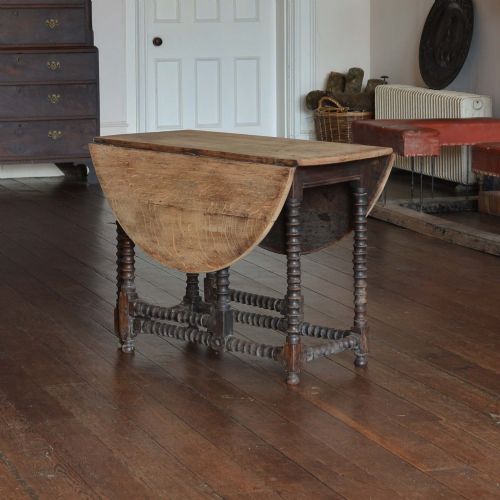
An antique spool table displays distinct turned wooden legs resembling rows of thread spools or bobbins, appearing across side, dining, occasional, gateleg, and hall table formats. These forms serve as functional surfaces while showcasing prominent turned detailing on their supports.
The pieces on this page span several centuries, reaching from seventeenth-century oak examples through nineteenth-century Victorian interpretations up to early twentieth-century designs. Oak forms predominate in the earlier periods, alongside occasional walnut, pine, beech, yew wood, and mahogany variants.
Buyers encounter styles ranging from Jacobean Revival and Charles II origins to rustic farmhouse and Victorian pieces. Side tables and gateleg drop-leaf tables are most common, frequently incorporating drawers, castors, or specialised top surfaces.
How they were made
Cabinetmakers shaped the characteristic spool or bobbin legs on a lathe, turning solid timber into repetitive rounded segments. The primary structural woods include oak, pine, beech, walnut, and yew wood, joined using traditional carpentry methods appropriate to each period.
Table tops utilise solid timber boards, sometimes enhanced with secondary materials such as red velvet, leather, or gilding on specific nineteenth-century variations. Gateleg and drop-leaf configurations employ hinged mechanisms supported by the intricate turned legs.
Antique Spool Table Retail Price Guide 2026
Typical asking prices for spool table among the pieces listed under this phrase on Sellingantiques today, from the lower quarter to the upper quarter. They describe what is for sale here now, not the wider market.
Some nineteenth-century tables swapped plain timber tops for red velvet and gilding, transforming humble bobbins into theatrical parlour centrepieces.
What varies in quality
The crispness and uniformity of the lathe-turned bobbin legs dictate visual distinction, where well-defined wooden profiles contrast against softer or more worn turning. Timber selection also plays a role, separating dense figured oak and walnut from simpler pine or beech frameworks.
Structural integrity depends on the original joinery surviving intact through centuries of use, alongside the retention of period elements like brass castors or leather inserts. The harmony between the turned base and the table top establishes the overall presence of the piece.
The Antique Spool Table Glossary
- Bobbin turning
- A form of woodturning that creates a series of rounded, spool-like shapes along the length of a leg or stretcher. This technique defines the visual character of spool furniture.
- Gateleg table
- A table with hinged leaves supported by legs that swing outward like a gate. This design allows the surface area to expand or contract.
- Gypsy table
- A lightweight occasional table popular in the nineteenth century, often draped or finished with decorative elements such as velvet and fringe. They served decorative functions in Victorian interiors.
- Jacobean Revival
- A nineteenth-century style that revived the heavy oak construction and turned ornamentation of the early seventeenth century. It frequently incorporates dark finishes and geometric moulding.
- Cricket table
- A small, lightweight occasional table typically featuring three legs and a round top. The design originates from early vernacular English domestic traditions.
Antique Spool Table: Frequently Asked Questions
What is an antique spool table?
An antique spool table is a small or medium table defined by legs shaped on a lathe to resemble stacked bobbins or spools. These pieces range from seventeenth-century oak examples to nineteenth-century Victorian variations.
Craftsmen built them in formats including side tables, hall tables, and gateleg dining tables, utilising timbers such as oak, walnut, pine, and beech.
How do I date an antique spool table?
Dating relies on examining the timber species, construction joints, and overall form alongside documented period styles. Seventeenth-century pieces typically feature heavy oak and hand-riven boards.
Nineteenth-century Victorian and revival pieces often introduce softer woods like beech or pine, alongside machine-turned elements and optional castors or upholstered tops.
Where were spool tables used in the home?
These tables served versatile roles as side surfaces, hall tables for correspondence, or occasional tables in living spaces. Gateleg versions provided expandable surfaces for dining rooms or parlours.
Smaller variants functioned easily beside seating or as display surfaces for lamps and decorative objects.
How do I care for a wooden spool table?
Care involves maintaining stable indoor humidity levels to protect historic timber from splitting or warping. Regular dusting with a soft, dry cloth preserves the polished surface.
Specialised surfaces like leather or velvet require specific dry-cleaning methods, while wooden bases benefit from occasional application of appropriate natural wax.