


Antique Spirit Jug
An antique spirit jug brings historical charm to any barware collection, offering a functional vessel designed for serving spirits with traditional craftsmanship.
Antique Spirit Jug
When you search for an antique spirit jug, you are looking at a diverse selection of barware vessels, tavern measures, decanters, and noggins designed for holding and pouring alcohol. These pieces span several centuries, encompassing Georgian, Victorian, Edwardian, and later periods.
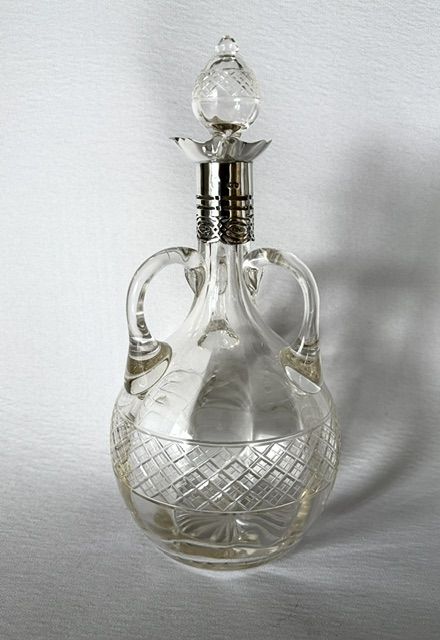
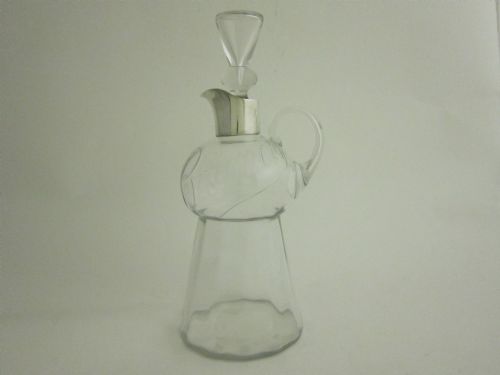
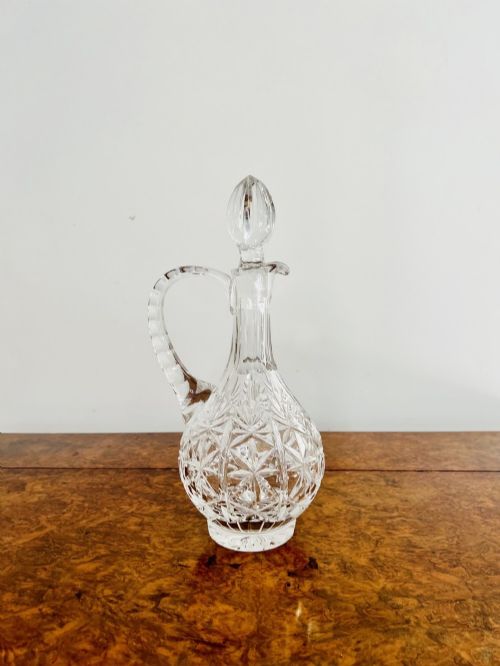
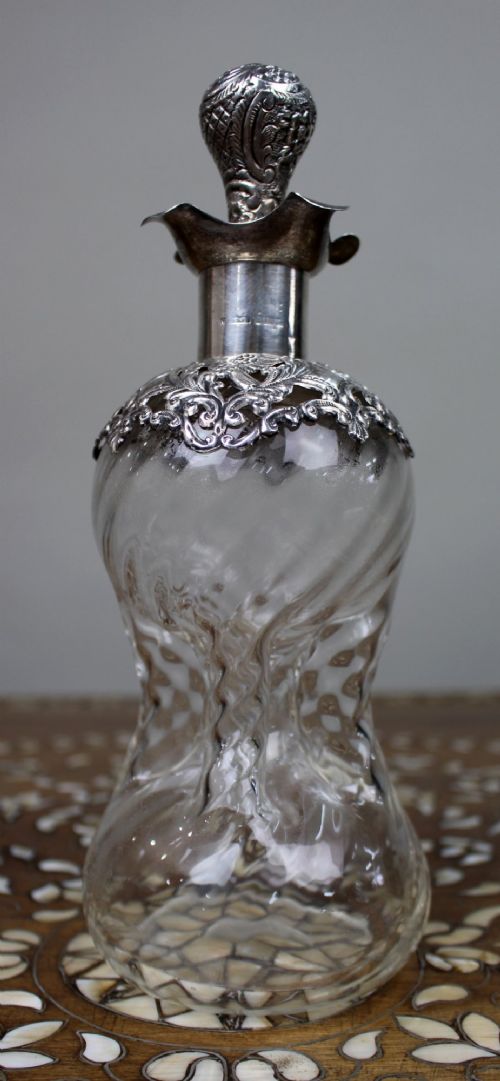
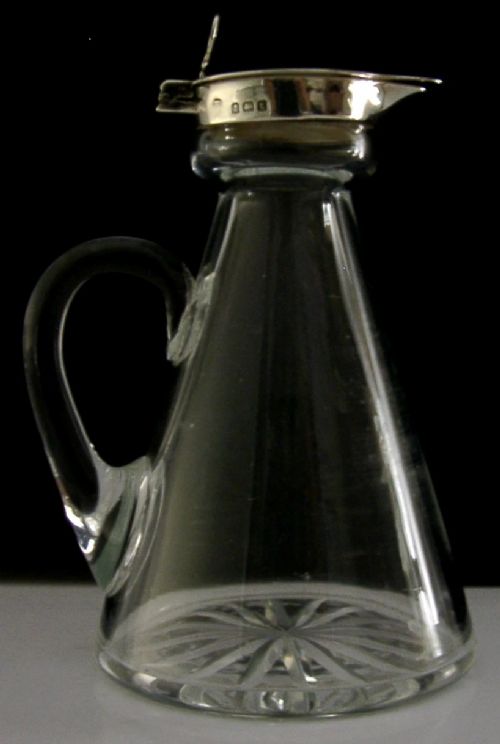
The version you are most likely to meet on this page is a cut glass or crystal decanter fitted with sterling silver mounts, often taking the form of a small whisky noggin. Alternatively, you will encounter metal tavern measures and ceramic flasks originating from British and international makers.
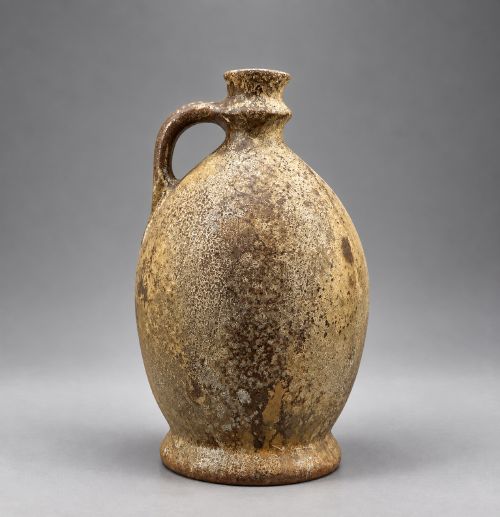
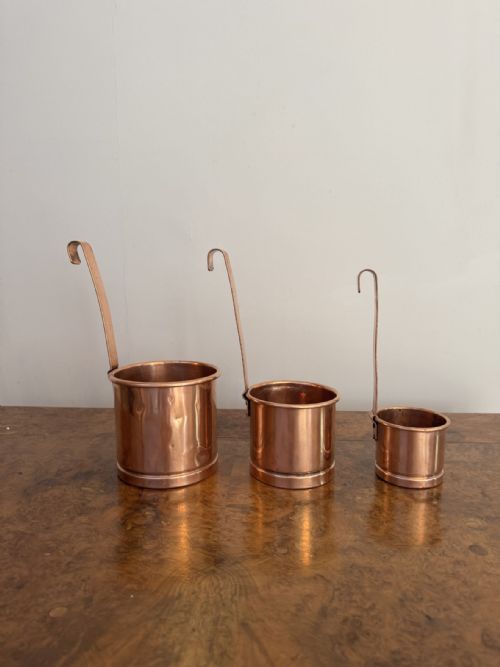
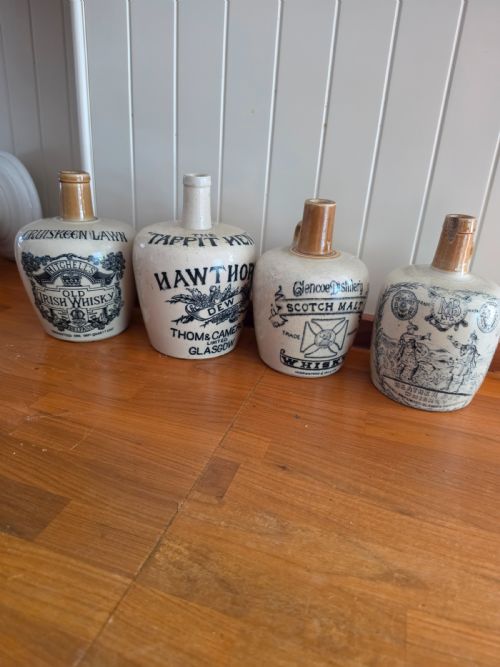
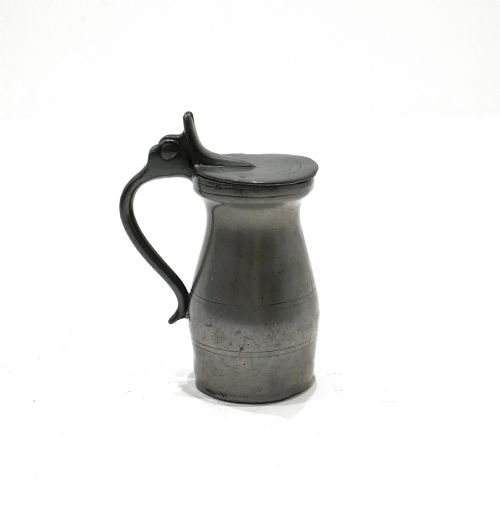
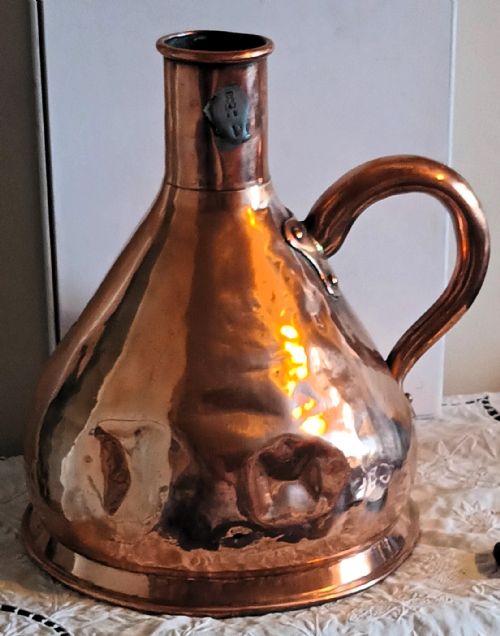
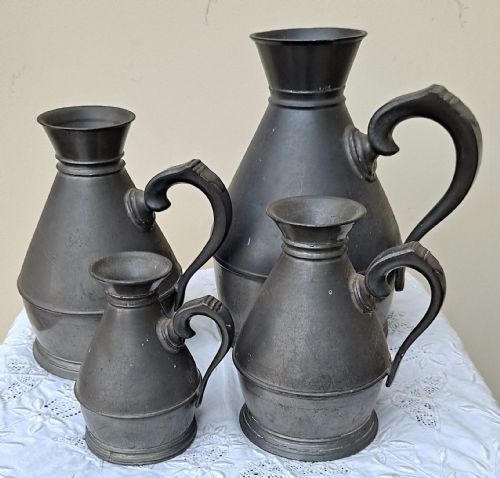
Beyond standard decanters, the selection includes copper and brass measuring jugs, stoneware advertising flasks, and pewter vessels such as haystack measures and tappit hens. These items reflect the domestic and commercial drinking customs of their respective eras.
How they were made
Glass vessels in this category rely on hand-blown and cut crystal techniques, producing heavy bodies intended to refract light and withstand regular handling. Mounts, noggins, and labels incorporate sterling silver or silver plate, often fastened securely around the bottlenecks.
Metal vessels utilise copper, brass, and pewter formed through beating, casting, and soldering. Pewter measures frequently display touchmarks and regional styles, while copper and brass containers provide durable service for liquid measures.
Ceramic examples employ stoneware and earthenware clays finished with glazes, sometimes incorporating moulded motifs or advertising script. These materials combine to create vessels built for both utility and display.
Object forms span from barware noggins and decanters to kitchenalia, tavern measures, and stoneware advertising whisky flasks.
What varies in quality
The refinement of the cutting on crystal decanters and the weight of the glass establish the primary visual standard. Thick, clear metal-free glass paired with heavy sterling silver mounts indicates a higher grade of production.
For metal items like pewter and copper measures, the thickness of the metal, the clarity of touchmarks or maker stamps, and the integrity of the soldered seams determine the standard. Well-preserved surfaces without excessive distortion separate superior utilitarian pieces from standard survivors.
The presence of matching elements, such as original silver labels accompanying a whisky noggin or a complete graduated set of measures, elevates the integrity of the piece.
Hukin & Heath·Elkington·Royal Doulton·Port Dundass·J. Bower
The Antique Spirit Jug Glossary
- Noggin
- A small drinking vessel or mug holding a specific small measure of liquor, commonly taking the form of a miniature decanter with a silver mount. These pieces were standard for single servings of whisky.
- Haystack measure
- A distinctively shaped pewter or brass liquid measure originating in Ireland and Britain, featuring a tapered body resembling a haystack. They were utilised in taverns for measuring volumes.
- Tappit hen
- A traditional Scottish pewter jug capacity measure with a lid and a characteristic knob on top. These large vessels saw heavy use in traditional establishments.
- Whisky noggin
- A small decanter designed specifically for holding whisky, frequently paired with a matching silver label and mounted in sterling silver. They represent a distinct subcategory of barware.
- Tantalus
- A locked wooden frame holding decanters or jugs securely to prevent unauthorized access to the spirits inside. The glass jugs remain visible while the stoppers stay locked in place.
Antique Spirit Jug: Frequently Asked Questions
What is a whisky noggin?
A whisky noggin is a small, personal decanter designed to hold a single serving of spirits. They typically feature a glass body with a sterling silver rim and handle.
Many examples include a small silver label hanging around the neck to identify the contents. They originated as convenient barware for home use during the Edwardian and Georgian eras.
How were antique measures used?
Antique measures in copper, brass, and pewter served to portion out exact quantities of liquids in taverns and households. Different sizes corresponded to official capacity standards of the period.
Over time, these utilitarian objects transitioned from working tavern tools into collectible display pieces. Their capacity marks often indicate the specific regional standard they adhered to.
How do I date a pewter measure?
Dating pewter measures involves examining the touchmarks, shape, and construction methods. Styles like the Scottish tappit hen or Irish haystack follow distinct chronological periods.
Maker stamps and verification marks, such as royal cyphers, help narrow down the decade of production. Heavier, simpler forms often point towards earlier manufacturing dates.
Can I use these decanters daily?
Most antique glass decanters and silver-mounted jugs remain structurally sound for serving beverages. Hand washing protects the delicate glass and aged silver mounts from damage.
Stoppers should be handled carefully, as they are specific to each individual decanter neck. Checking for secure silver mounts ensures safe pouring during use.