




Antique Spindle Corner Chairs
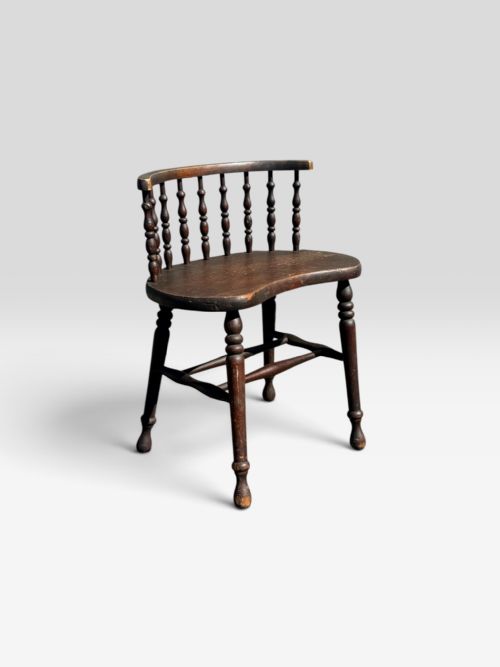
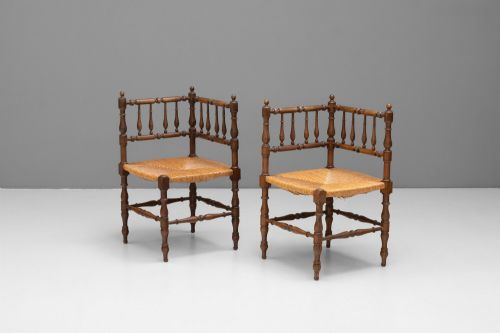
Antique spindle corner chairs bring distinct timber framing and angular silhouettes to unused room turns.
Antique Spindle Corner Chairs
When buyers search for antique spindle corner chairs, they look for seating designed to fit snugly into room angles while offering upright support. These items span Victorian, Edwardian, and 19th-century periods, presenting various regional interpretations.
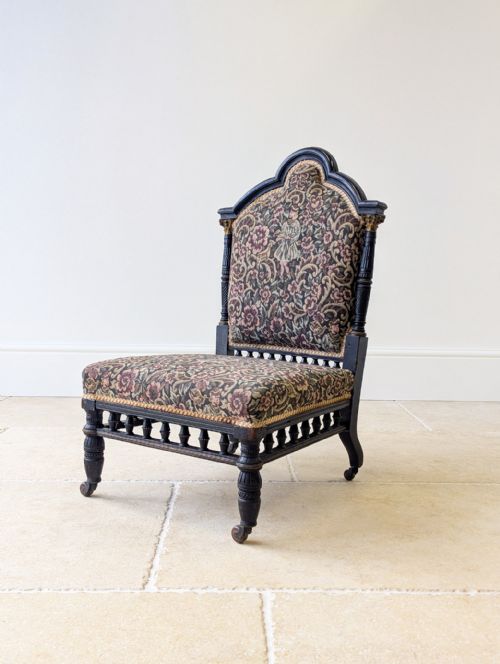
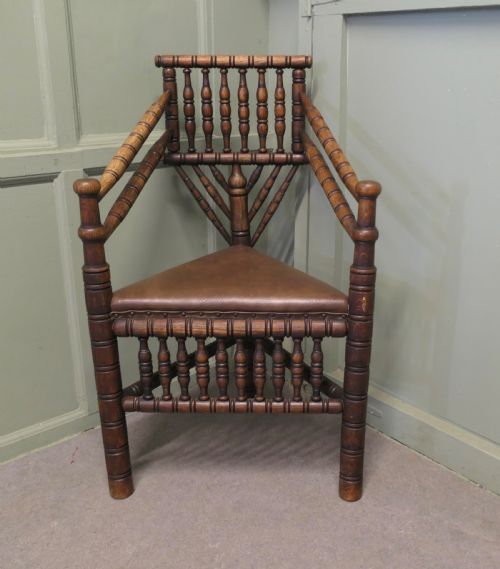
The versions most commonly met on this page include sturdy oak turners chairs and low salon seats with turned spindles. English country and Victorian Gothic Revival influences shape many of the forms seen here.
Makers utilised specific regional traditions, linking pieces to styles like Old Saxon or Aesthetic Movement. Each chair provides a compact seating option that maximises floor space without sacrificing architectural presence.
Materials and construction methods
Craftsmen built these frames using dense hardwoods such as oak, beech, and elm, often combining timbers for structural strength. Turned spindles formed the backrests and structural supports, creating rhythmic patterns through cylindrical woodworking techniques.
Upholstery fabric, leather, and brass accents appear on specific salon and elbow seats, adding tactile contrast to the exposed wood. Ebonised finishes were applied to select Victorian pieces to mimic more costly exotic woods.
Antique Spindle Corner Chairs Retail Price Guide 2026
Typical asking prices for spindle corner chairs among the pieces listed under this phrase on Sellingantiques today, from the lower quarter to the upper quarter. They describe what is for sale here now, not the wider market.
Assessing quality and craftsmanship
The distinction between standard examples and superior pieces rests on the precision of the turning and the integrity of the timber joints. Tighter joinery and more ambitious spindle arrangements elevate a chair above simple utilitarian output.
Stylistic coherence also marks the better examples, where Moorish Revival or Aesthetic Movement details are integrated with careful proportion. The choice of quarter-sawn oak or well-figured elm often denotes a higher tier of production.
The Antique Spindle Corner Chairs Glossary
- Spindle
- A slender, turned rod of wood used in backs and rails. These components provide both structural bracing and decorative rhythm.
- Turners chair
- A heavy, three-legged or four-legged seat constructed entirely of turned wooden spindles and members. This traditional form dates back centuries and reappears in Victorian revival outputs.
- Ebonised wood
- Timber treated with chemical stains or black paint to resemble ebony. This finish gained popularity during the nineteenth century for decorative effect.
- Elbow seat
- A chair featuring low arms integrated into the back rail. They provide compact support suitable for corners or small desks.
- Aesthetic Movement
- A late nineteenth-century design current emphasising visual beauty over narrative meaning. Pieces from this tradition often feature ebonised surfaces and slender proportions.
Antique Spindle Corner Chairs: Frequently Asked Questions
What is a spindle corner chair?
A spindle corner chair is a seating form constructed with turned wooden uprights designed to fit into room angles. These pieces use slender rails to create open, airy backrests.
They offer a compact footprint while adding architectural interest to empty corners in sitting rooms or halls.
Where should I place a corner chair?
These chairs find their natural home in unused room intersections where standard rectangular seating will not fit. They also work well beside desks or in small reading nooks.
Because the back is often finished for viewing from multiple angles, they can float slightly away from the walls in an open room.
How do I date an antique spindle chair?
Dating relies on examining the timber species, turning styles, and assembly methods used in the frame. Victorian and Edwardian examples often display machine assistance or specific revival aesthetics.
Comparing the wear patterns and finish characteristics to documented pieces from the nineteenth century helps narrow down the period.
Are these chairs comfortable for daily use?
Many of these chairs were designed for upright posture rather than lounging, featuring wooden seats or modest upholstery pads. Their compact frames suit short periods of sitting in hallways or studies.
Adding a small loose cushion can increase comfort without hiding the turned spindle woodwork.