



Antique Spectacles
Antique spectacles are historical vision aids and cases, offering refined craftsmanship and period optical charm that collectors and interior enthusiasts prize.
Antique Spectacles
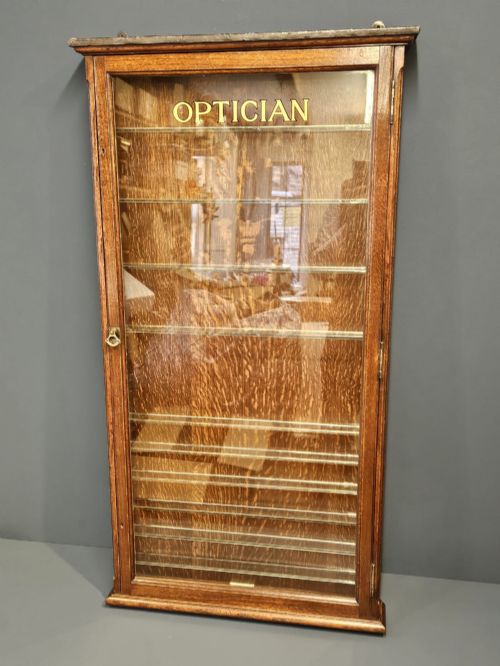
When you search for antique spectacles, you encounter a fascinating range of vision aids, protective cases, and related optical equipment spanning the nineteenth and early twentieth centuries. These pieces encompass everything from delicate lorgnettes and folding readers to sturdy examination sets and elaborate Oriental spectacle cases.
On this page, the version you are most likely to meet is the Edwardian or Victorian spectacle case, often fashioned from mixed metals, bronze, or tortoise-shell style materials. Such items reflect the daily utility and refined personal accessories of their era, surviving alongside rarer scientific instruments and trade signs.
How they were made
The makers of these items utilised durable metals such as brass, bronze, copper, and mixed metals to construct rigid protective cases and frames. Precious additions like gold inlay, white gold, and diamonds appear on high-end pieces intended for wealthy patrons.
Textured finishes, intricate engraving, and secure hinge mechanisms demonstrate the mechanical precision of period artisans. Natural materials such as tortoise-shell style compounds and glass lenses complete the construction of these functional objects.
Antique Spectacles Retail Price Guide 2026
Typical asking prices for spectacles among the pieces listed under this phrase on Sellingantiques today, from the lower quarter to the upper quarter. They describe what is for sale here now, not the wider market.
The listings show pieces originating from the Edwardian period, 19th Century, and the Japanese Meiji period, constructed in bronze, brass, and mixed metals.
What varies in quality
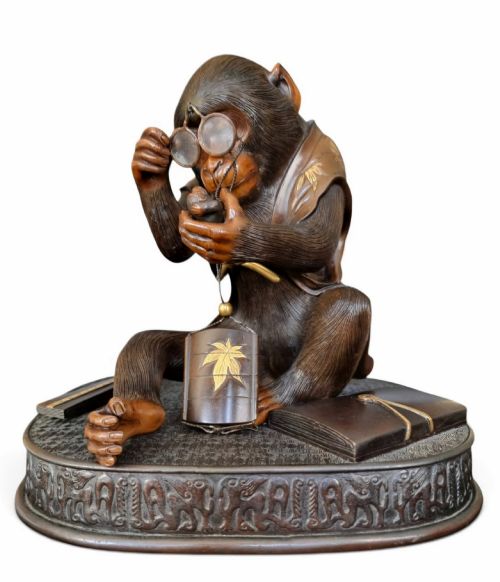
The degree of artistry in the metalwork distinguishes standard utilitarian pieces from exceptional examples. Fine Japanese Meiji period or late Qing cases display superior metal inlay and sculptural relief compared to simpler industrial items.
The integrity of the original housing, whether a leather case, a fitted box, or a metal sleeve, influences the overall standard of the survival. Complete sets featuring original chains, lanyards, and boxes hold greater historical cohesion.
The Antique Spectacles Glossary
- Lorgnettes
- Spectacles held to the eyes with a handle rather than fitted over the ears. These folding reading glasses often incorporated precious stones and fine metals during the Art Deco period.
- Okimono
- A Japanese decorative sculpture designed for display in a home. These carved and cast figures frequently depict anthropomorphic subjects or historical scenes.
- Meji Period
- The era in Japanese history spanning from 1868 to 1912, characterised by rapid modernisation and exceptional metalcraft. Pieces from this time often feature complex mixed-metal patination.
- Trade sign
- A large physical object hung outside a shop to advertise the trade conducted within. Opticians and merchants utilised these striking symbols to attract passing customers.
Antique Spectacles: Frequently Asked Questions
What are antique spectacles made of?
These items utilise a variety of materials depending on their exact function and origin. Common constructions include bronze, brass, copper, mixed metals, and 9ct white gold.
Finer examples incorporate decorative elements such as diamond settings or gold inlay. Protective housings often feature leather, tortoise-shell style compounds, or fabric linings.
How were lorgnettes used?
Lorgnettes served as portable vision aids that users held up to their eyes by an attached handle. Unlike standard spectacles, they lacked side arms that hooked behind the ears.
They functioned primarily as fashionable accessories for reading theatre programmes or documents during social events in the Victorian and Edwardian eras.
How do I date antique spectacle cases?
Dating relies on observing stylistic markers, materials, and manufacturing techniques characteristic of periods like the Victorian era, Edwardian period, or the Meiji era. Japanese pieces often align with specific imperial reigns.
Associated items such as original boxes, leather cases, and accompanying chains can provide further chronological context for the main piece.
Can I wear antique spectacles today?
Historic optical pieces are primarily collected as historical artefacts, decorative objects, or examples of period metalwork. The lenses rarely match modern prescription requirements.
Handling them with care preserves the delicate hinges, frames, and original materials. Displaying them in custom cases or alongside related scientific instruments suits their fragile nature.