



Antique Specimen Jar
An antique specimen jar brings curious natural history and medical apparatus into the home, housed beneath clear glass domes or contained in apothecary bottles.
Antique Specimen Jar
When you search for an antique specimen jar, you encounter Victorian and Edwardian glass domes, display cases, and apothecary bottles designed to preserve and exhibit natural curiosities. These items originate from the nineteenth century and the early twentieth century, spanning periods from late Victorian times to nineteen hundred and the Edwardian era.
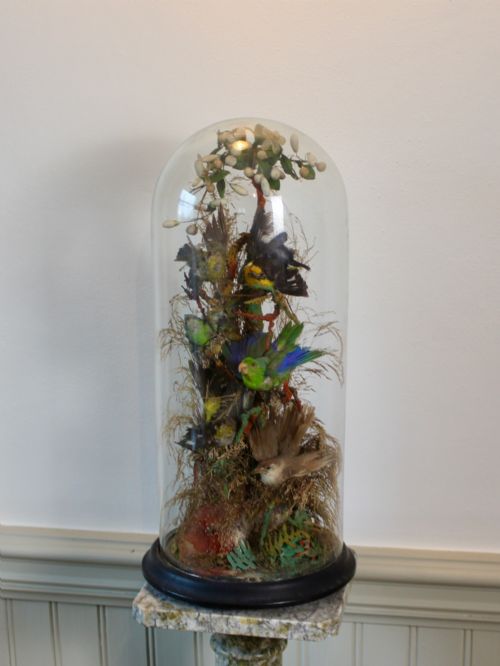
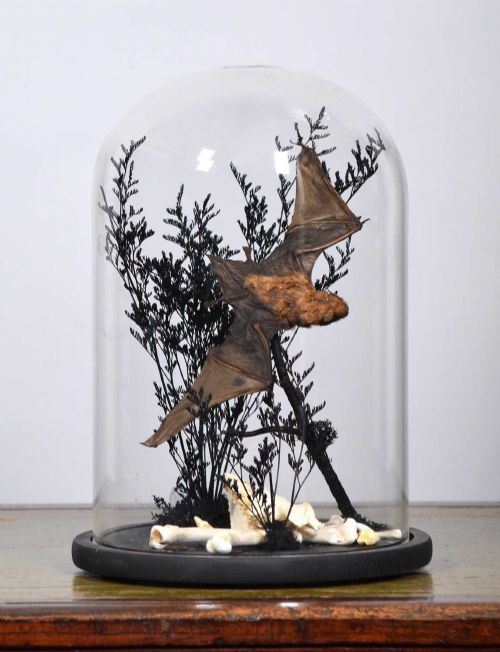
The objects on this page primarily consist of taxidermy specimens such as bats, birds, and botanical arrangements enclosed in glass showcases, alongside collections of apothecary bottles. English craftsmanship dominates these pieces, often pairing blown glass with wooden bases made from beech or ebonised wood.
Buyers frequently find tall professor's specimen domes and oval collector's cases that originally served scientific or educational purposes. These enclosures protect fragile contents including bone, feathers, and taxidermy specimens while allowing clear visibility from all angles.
Materials and construction methods
Glass production during the Victorian and Edwardian periods yielded clear, heavy domes and blown apothecary bottles that protect fragile contents from dust and humidity. Artisans formed wooden bases from beech and ebonised wood to support these glass covers securely.
Internal displays incorporated taxidermy specimens, bone, feathers, and fabric arranged within wooden or glass showcases. Taxidermy composition required skilled preservation techniques to maintain the colour and posture of birds and bats over decades.
Antique Specimen Jar Retail Price Guide 2026
Typical asking prices for specimen jar among the pieces listed under this phrase on Sellingantiques today, from the lower quarter to the upper quarter. They describe what is for sale here now, not the wider market.
Listings feature items from the Victorian and Edwardian periods, utilising materials such as glass, ebonised wood, beech, fabric, bone, and feathers.
Assessing quality in antique specimen displays
Quality in these pieces depends upon the clarity and weight of the glass dome, with older hand-blown examples showing subtle bubbles and variations. The joinery of the wooden bases, whether beech or ebonised wood, reflects the standard of period cabinet making.
The condition and taxidermy preparation of the enclosed specimen determine the overall desirability of the piece. Intact compositions involving multiple colourful birds or specific natural history subjects demonstrate superior Victorian and Edwardian craftsmanship.
The Antique Specimen Jar Glossary
- Specimen jar
- A glass vessel used to hold biological or medical samples for study or display. Apothecary bottles function similarly within this category.
- Display dome
- A blown glass cover mounted on a wooden base to protect delicate objects. These are also known as glass domes or cloches.
- Ebonised wood
- Timber treated to resemble ebony, frequently utilised for the turned bases of Victorian display cases. It provides a dark contrast to the glass and contents.
- Taxidermy
- The art of preparing, stuffing, and mounting the skins of animals for permanent display. Victorian examples often feature complex natural compositions.
Antique Specimen Jar: Frequently Asked Questions
What fits inside an antique specimen jar?
These jars and apothecary bottles typically contain historical medical or botanical items. They were originally used by practitioners and collectors to store liquids or small organic materials.
Today, collectors appreciate them for their original glass characteristics and pharmaceutical labels. They sit well on bookshelves or within cabinets alongside other scientific instruments.
How do I clean a glass display dome?
The glass cover should be lifted carefully from its wooden base using both hands. Wipe the exterior and interior with a soft, dry cloth to remove dust.
Avoid using harsh chemical sprays near antique wood or taxidermy contents. The wooden base can be treated occasionally with appropriate furniture wax.
How are Victorian and Edwardian domes different?
Late Victorian pieces often feature heavy ebonised wooden bases and taller proportions designed for complex taxidermy arrangements. Edwardian examples frequently utilise lighter beech wood and simpler showcase lines.
Both periods relied on mouth-blown glass techniques, though Edwardian glass can sometimes exhibit slightly more uniform thickness. Examining the turned wood profile helps distinguish between the two eras.
Where should I place a taxidermy dome?
Display domes require stable locations away from direct sunlight to prevent the fading of feathers and fabric. A sturdy mantelpiece, desk, or dedicated display cabinet provides adequate support for the heavy glass and wooden base.
Keep them away from areas with high moisture or sudden temperature changes to protect the preserved specimens inside.