

Antique Spanish Painting
When you search for an antique spanish painting, you encounter centuries of devotional imagery, portraits, and still lifes shaped by regional schools.
Antique Spanish Painting
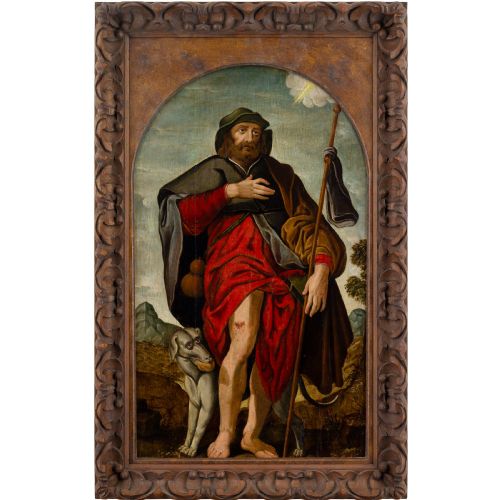
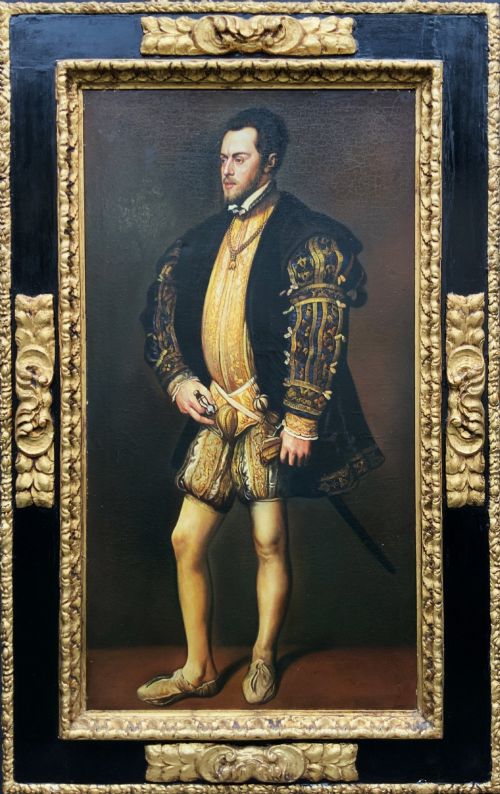
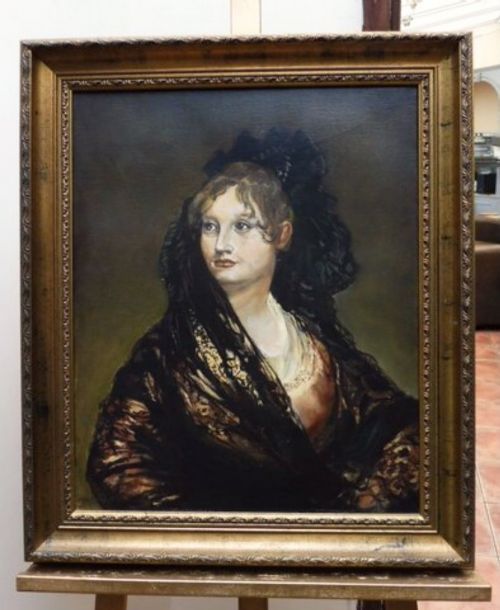
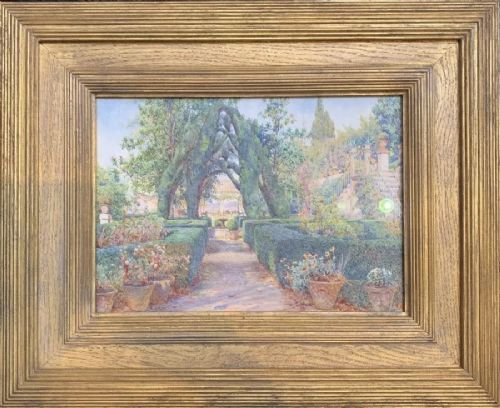
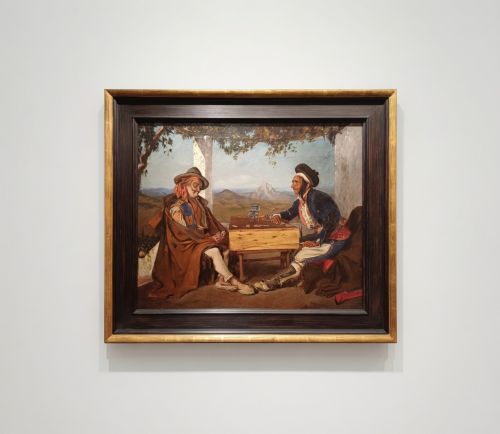
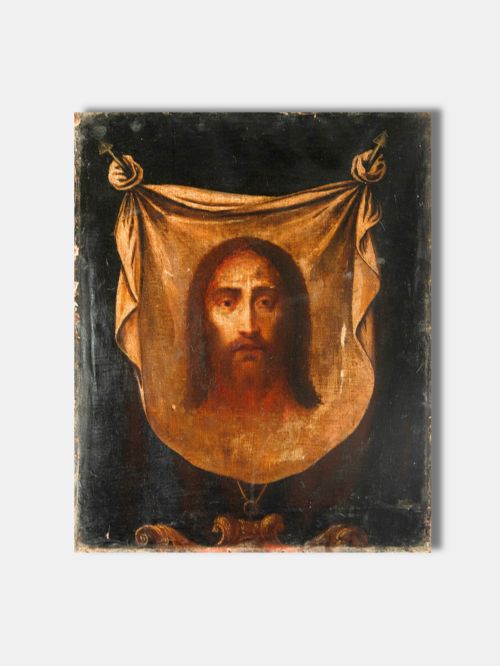
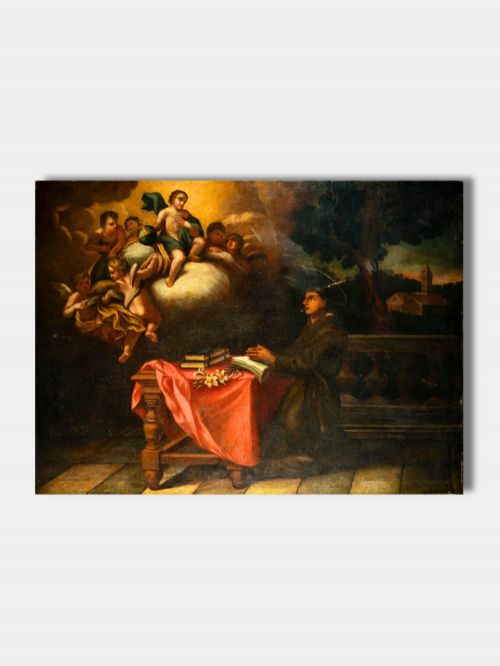
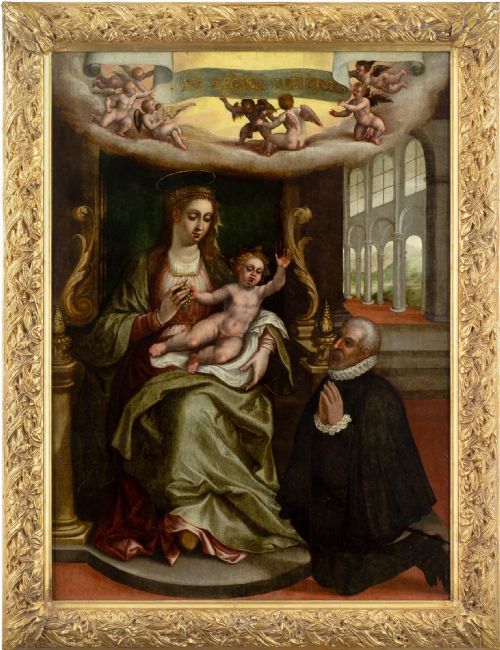
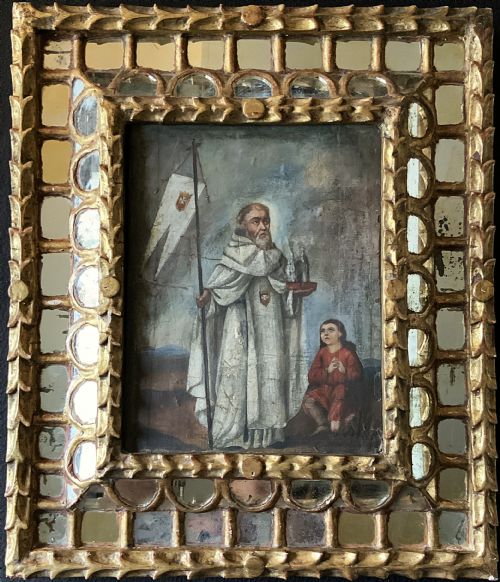
When browsing an antique spanish painting, buyers typically encounter works executed on canvas or wood panels originating from the seventeenth to the nineteenth centuries. These pieces encompass religious subjects, such as saints and madonnas, alongside secular portraits and everyday scenes.
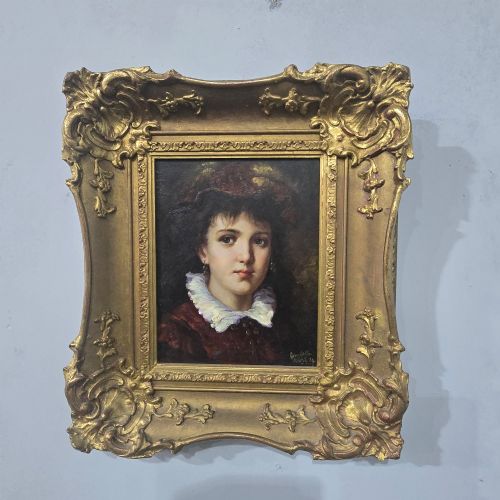
The most common examples on this page are seventeenth and eighteenth-century oils created within traditional Spanish school workshops. Buyers also meet nineteenth-century realist studies and folk art interpretations reflecting distinct regional aesthetics.
Materials and construction
Painters utilised oil pigments applied directly to prepared canvas or wooden boards, often supported by heavy gesso grounds. Many historical works retain their original giltwood or carved wooden frames.
Workshops employed layered paint applications to achieve depth in drapery and facial expressions, sometimes incorporating gold leaf accents on religious panels.
Antique Spanish Painting Retail Price Guide 2026
Typical asking prices for spanish painting among the pieces listed under this phrase on Sellingantiques today, from the lower quarter to the upper quarter. They describe what is for sale here now, not the wider market.
Listings feature canvases spanning from the sixteenth century through to twentieth-century folk art studies.
Factors of distinction
Quality in these works rests upon the precision of brushwork, anatomical proportion, and the expressive intensity of the subject. Superior pieces demonstrate confident handling of light and shadow, particularly in the rendering of textiles and flesh.
The preservation of the original paint surface and the authenticity of the associated period frame significantly influence the standing of an individual canvas.
Francisco José de GOYA y Lucientes·Thomas Kent Pelham·William Oliver·Gabriel Puig Roda·Miguel Barroso
The Antique Spanish Painting Glossary
- Canvas
- A heavy woven fabric stretched across a wooden frame to serve as a support for oil paint. It became the standard medium for European painters from the Renaissance onward.
- Gesso
- A traditional paint mixture consisting of a binder mixed with chalk, gypsum, or pigment used to prepare wood or canvas surfaces. This layer provides a smooth ground for subsequent oil applications.
- Giltwood
- Wood that has been coated with a thin layer of gold leaf or metallic powder. It frequently appears on ornate frames accompanying historical portraits and religious panels.
- Spanish School
- A stylistic designation grouping painters who trained or worked within Spain and shared technical traditions. These regional associations help attribute unsigned compositions.
- Baroque
- An artistic style originating in the late sixteenth century characterised by dramatic contrast, deep shadow, and emotional intensity. Works from this period often depict dynamic religious narratives.
Antique Spanish Painting: Frequently Asked Questions
How do I identify a seventeenth-century canvas?
Seventeenth-century works usually feature heavy linen supports with hand- beaten nails, accompanied by dense craquelure across the oil surface.
Subject matter often centres on Counter-Reformation iconography, executed with dark earth palettes and dramatic chiaroscuro lighting.
What is Spanish colonial art?
Colonial pieces are works produced in Spanish overseas territories, combining European religious iconography with indigenous materials and local stylistic interpretations.
These paintings frequently display distinct colour choices and regional saints not commonly found in mainland European collections.
How should I clean an antique canvas?
Historical oil surfaces require professional conservation rather than domestic cleaning solutions to prevent removing original glazes.
Dust should be gently removed with a soft, dry brush, avoiding any moisture or chemical contact.
Are original frames important?
Period frames provide historical context and structural protection tailored to the dimensions of the specific artwork.
Matched giltwood surrounds from the same century enhance the presentation and integrity of the painting.