



Antique Souvenir Model
These antique souvenir model pieces bring the grand tour and classical architecture straight into the study.
Antique Souvenir Model
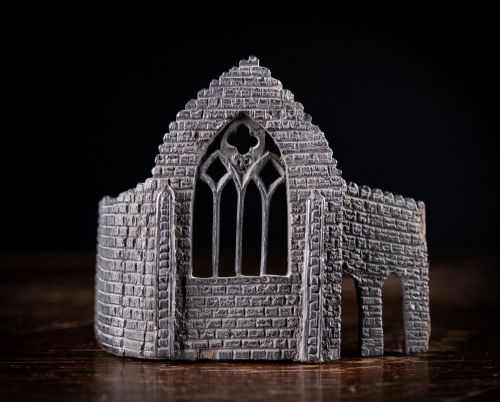
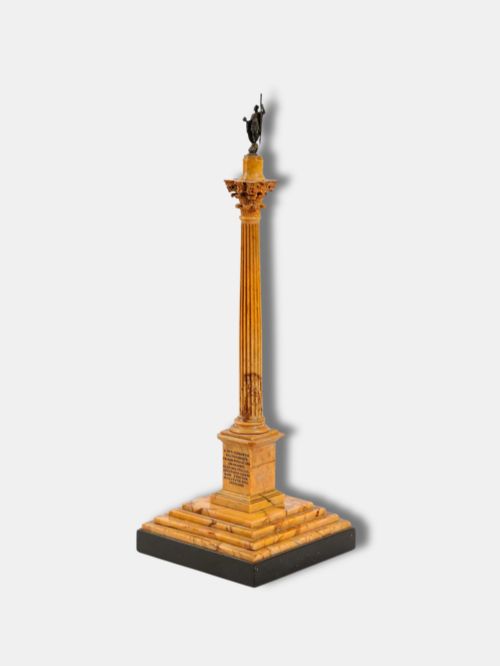
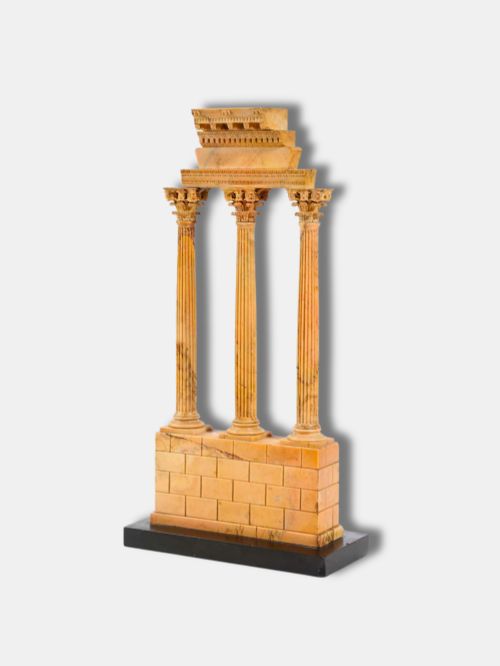
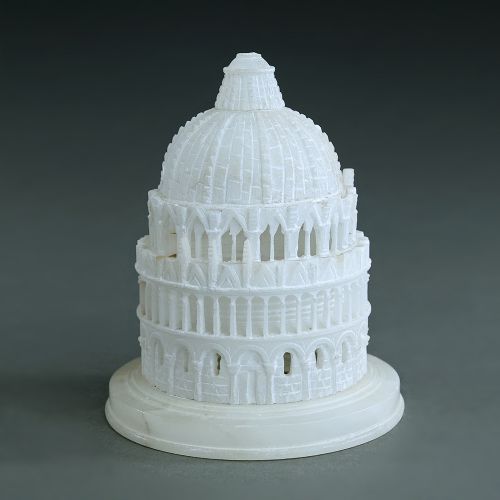
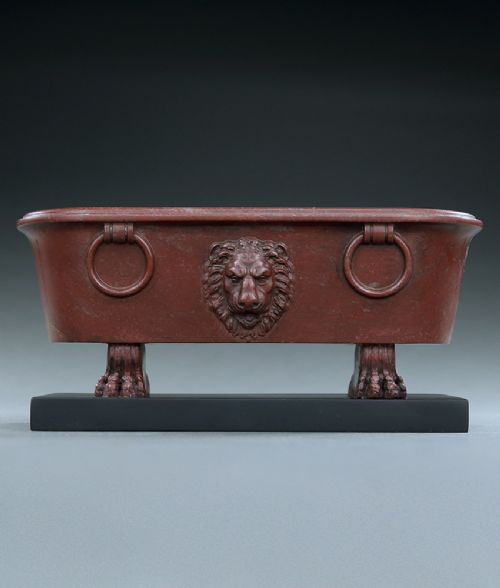
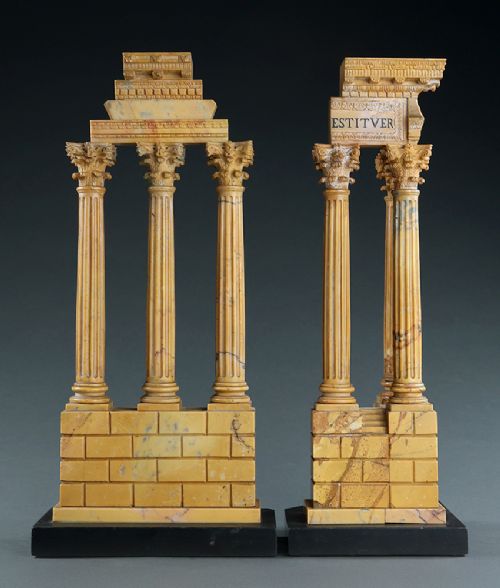
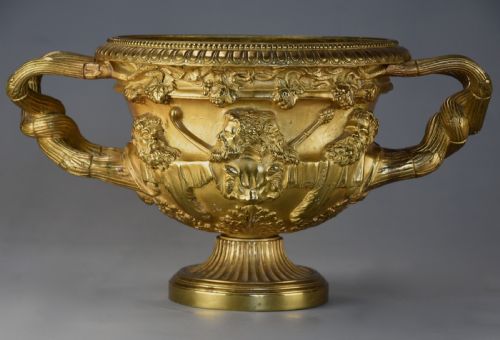
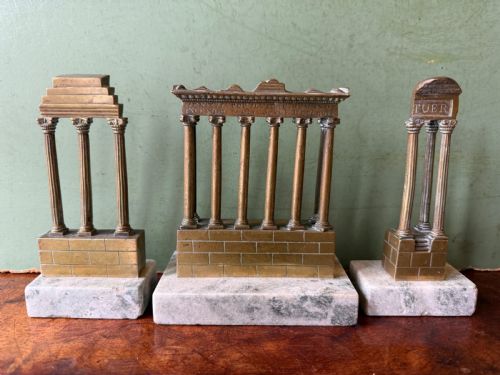
An antique souvenir model captures famous classical monuments, architectural ruins, and celebrated sculptures purchased by travellers during their travels abroad. These pieces range from miniature temple ruins and Roman baths to bronze reductions of ancient vases and figurative sculptures.
The versions most commonly met on this page date from the nineteenth century and reflect grand tour, neoclassical, and egyptian revival styles. They span across architectural models, decorative urns, and sculptural figures rather than utilitarian household objects.
Makers often utilised imported stones and metals to recreate specific Italian sites and ancient artefacts for foreign visitors. Buyers encounter everything from serpentine marble obelisks to patinated metal columns designed as cabinet displays.
Distinctions in quality
The fidelity of the architectural proportion and the crispness of the carved stone or cast bronze separate the superior examples from standard workshop output. Finer pieces capture the subtle profiles of classical capitals and the delicate musculature of figurative bronzes without blurring.
The selection and treatment of the marble material itself dictate the visual impact of the piece. High-quality specimens display rich natural veining and careful polishing that accentuates the specific stone type used.
Antique Souvenir Model Retail Price Guide 2026
Typical asking prices for souvenir model among the pieces listed under this phrase on Sellingantiques today, from the lower quarter to the upper quarter. They describe what is for sale here now, not the wider market.
Listings feature nineteenth-century materials including alabaster, marmo rosso marble, siena marble, patinated metal, and bronze.
The Antique Souvenir Model Glossary
- Grand Tour
- A traditional trip of Europe undertaken by upper-class European young men of sufficient means. This travel spurred the demand for miniature architectural and sculptural souvenirs.
- Reduction
- A scaled-down copy of a larger sculpture or monument. These were cast in bronze or carved in stone to fit easily inside a traveller's luggage.
- Serpentine
- A dark green silicate mineral resembling snakeskin in appearance. It was frequently utilised by Italian workshops for carved architectural models and animal figures.
- Patination
- The natural or artificial ageing of a metal surface through oxidation and chemical treatment. This finish gives bronze models an antique appearance.
Antique Souvenir Model: Frequently Asked Questions
How were these models used?
Travellers brought these items home to display on mantelpieces, desks, and dedicated cabinet shelves. They acted as conversation starters and tangible connections to classical antiquity.
By placing them in domestic interiors, owners signalled their erudition and familiarity with the great cultural sites of Italy and beyond.
How do I style them at home?
These items fit naturally among books, on mantelpieces, or atop wooden chests where their sculptural forms can be appreciated up close. Pairing stone models with contrasting timber surfaces highlights their mineral textures.
Keep them out of direct sunlight to protect sensitive marble and alabaster finishes from unnecessary environmental stress.
How do I tell periods apart?
Dating relies heavily on the chosen material, manufacturing technique, and prevailing style of the specific decade. Nineteenth-century pieces often combine precise bronze casting or polished specimen marbles with identifiable classical motifs.
Comparing the handling of the stone and the depth of the metal patination helps distinguish mid-century works from later nineteenth-century interpretations.