



Antique Soldier Art
When you search for antique soldier art, you encounter centuries of portraits, trench carvings and battle scenes capturing military service.
Antique Soldier Art
Antique soldier art encompasses oil paintings, watercolours, sketches, sculptures and trench carvings produced across the eighteenth, nineteenth and early twentieth centuries. These works record individual officers, enlisted men and historic conflicts through academic portraits, campaign watercolours and carved woodwork.
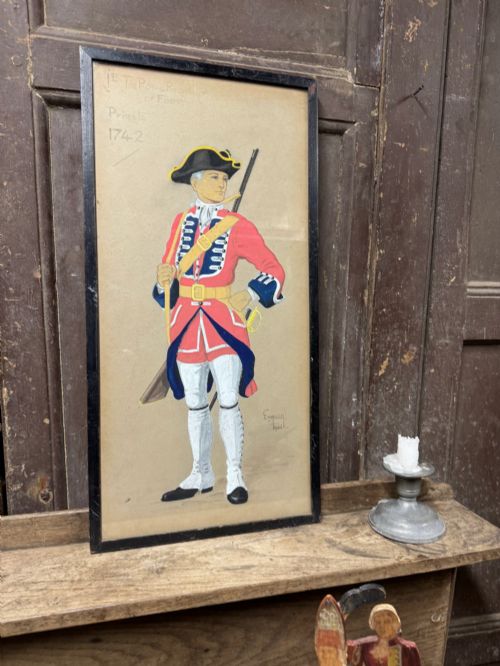
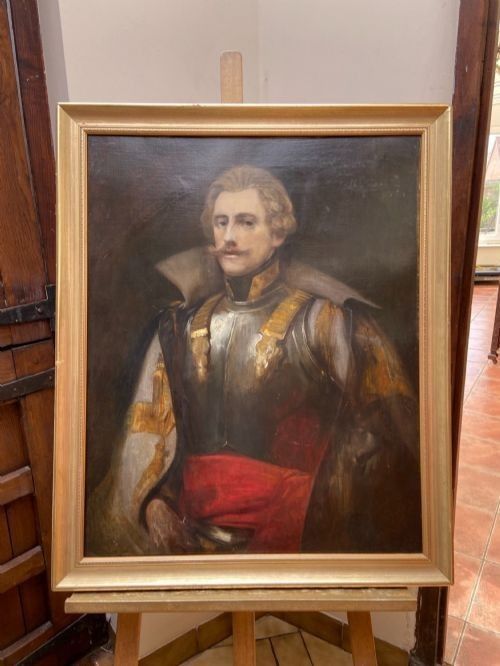
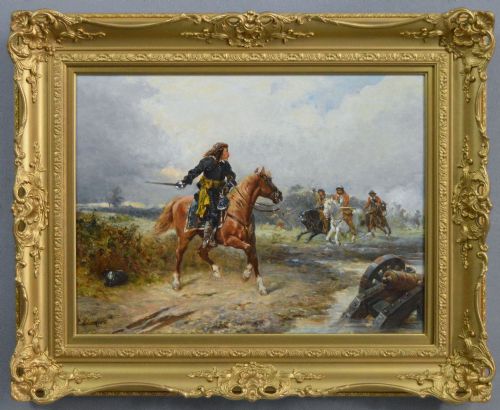
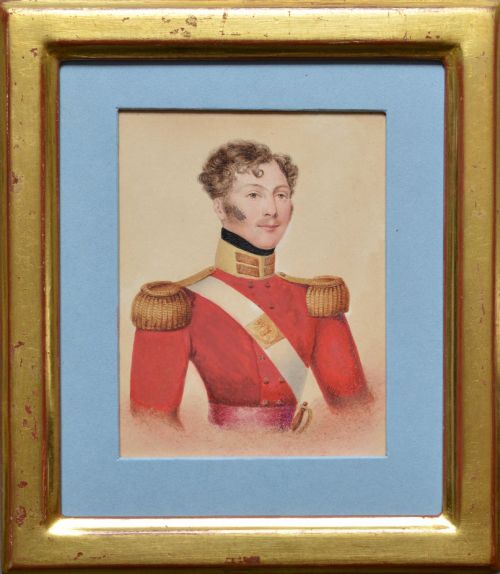
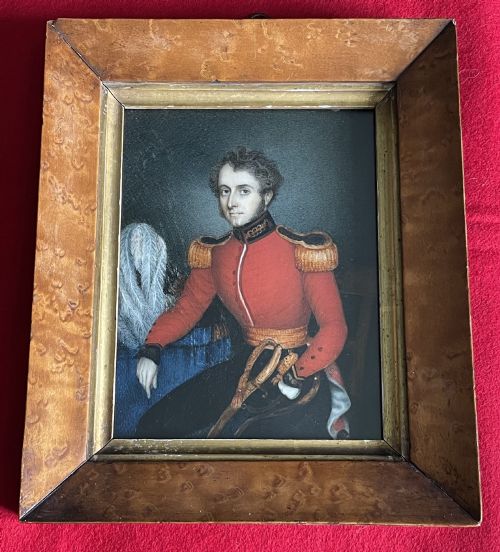
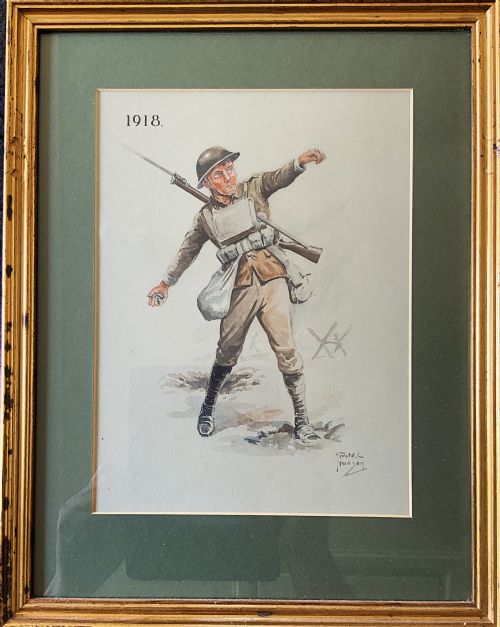
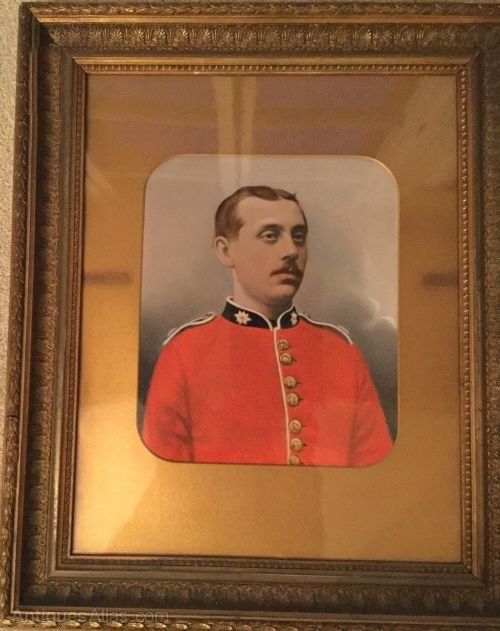
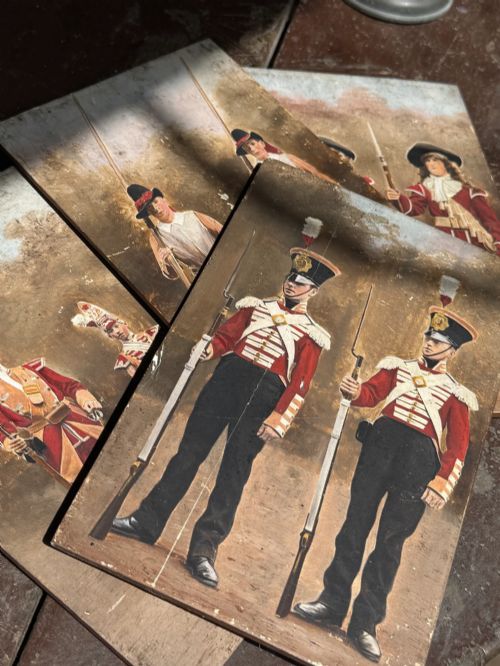
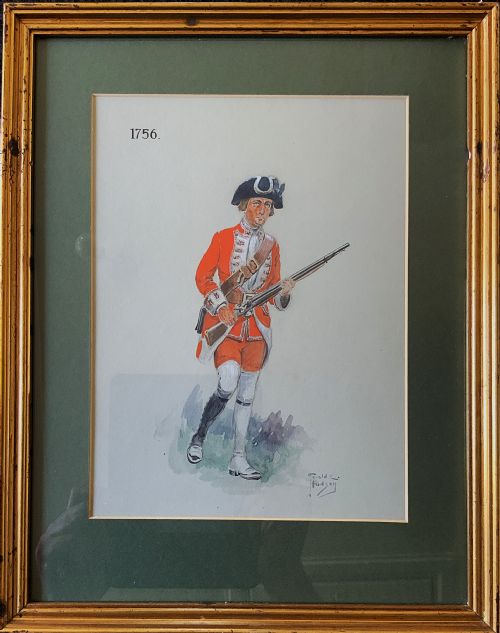
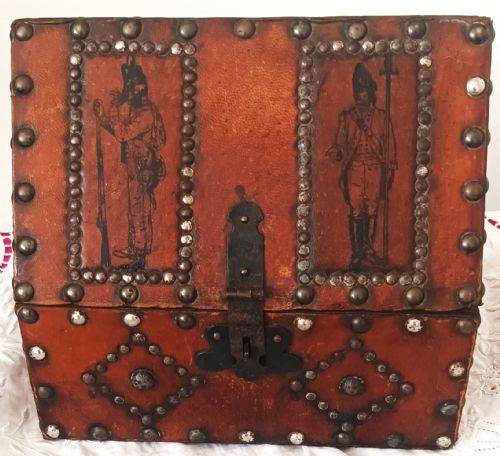
The pieces most frequently met on this page include nineteenth-century military oil portraits, early twentieth-century trench art and watercolours depicting British, French and cavalry regiments. Works range from intimate miniature portraits of single officers to large canvas depictions of historical cavalry charges and battlefield scenes.
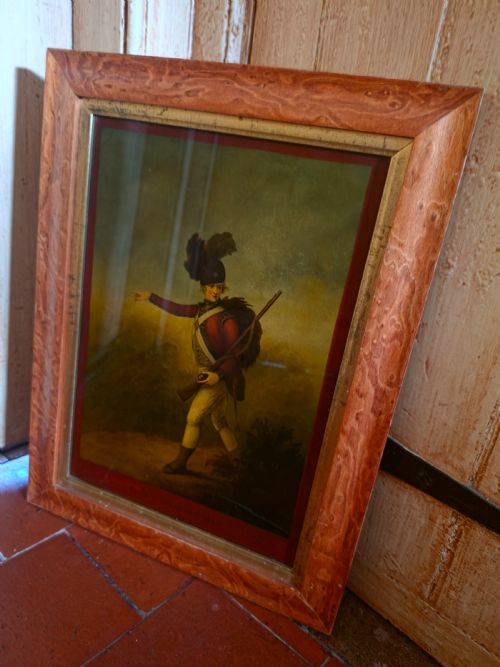
Makers and artists span named Victorian and Edwardian painters alongside anonymous creators such as First World War prisoners of war carving wood in Siberia. Media vary from traditional oil on canvas and paper watercolours to reverse glass paintings, porcelain plaques and carved wooden sculptures.
Materials and Technique
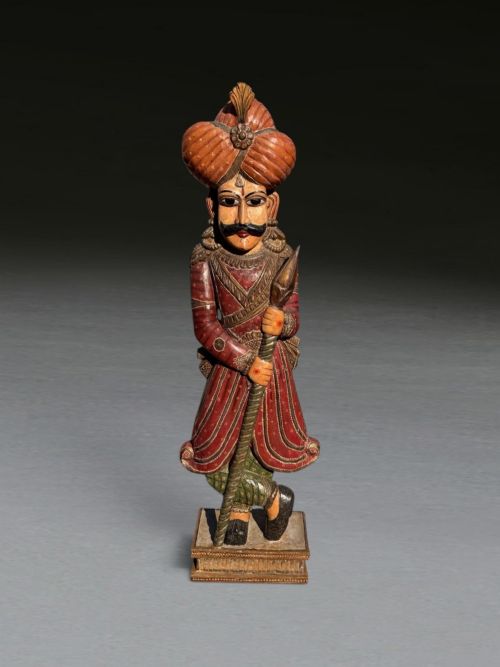
Sculptural pieces employ bronze, copper enamel, porcelain and polychrome wood to render figures of soldiers in three dimensions. Framing materials include period wood and gilt wood surrounds that complement the artistic style of the Georgian, Victorian and Edwardian eras.
Antique Soldier Art Retail Price Guide 2026
Typical asking prices for soldier art among the pieces listed under this phrase on Sellingantiques today, from the lower quarter to the upper quarter. They describe what is for sale here now, not the wider market.
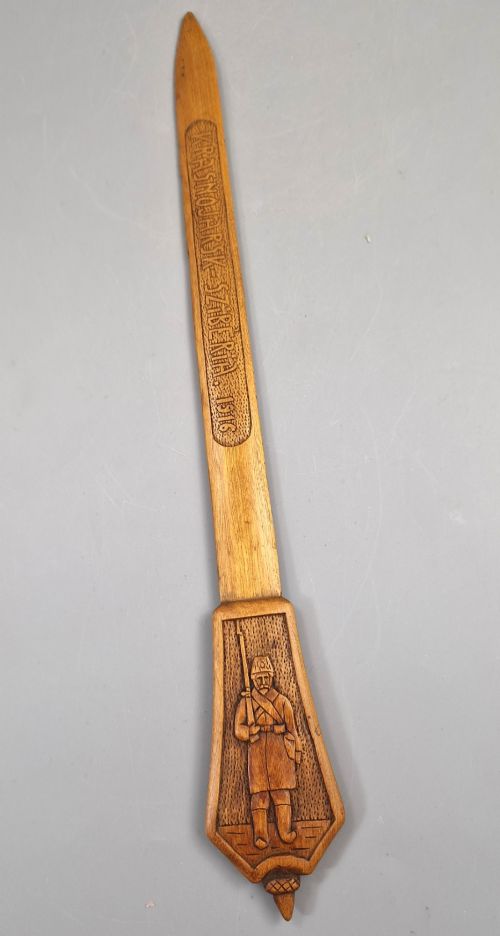
Some soldiers spent long hours in Siberian camps carving wooden letter openers, leaving behind miniature testaments to patience.
Quality Variations
The standard of antique soldier art depends on the precision of the draughtsmanship and the accuracy of the military detail recorded by the artist. Master painters render regimental uniforms, facial expressions and historical context with distinct clarity, whereas lesser works show generalized figures and indistinct uniforms.
Preservation of the original medium heavily influences the merit of a piece, separating well-preserved oils and crisp watercolours from faded works with heavy surface damage or poor restorations. Creator attribution also distinguishes standard commercial portraiture from documented works by recognised historical military painters.
Robert Alexander Hillingford·Bruce Bairnsfather·Leopold Halvoet·E.H. Dumaige·Jean Sobieski·Gilbert Scott Wright·Paul Leon Jazet·Ernest Crofts·Snaffles·Edward Pugh·Albert Ferdinand Le Dru·Frederick Henry Howard Harris
The Antique Soldier Art Glossary
- Trench art
- Items created by soldiers, prisoners of war or civilians from wartime waste materials and battlefield debris. These objects often include carved wooden items, shell cases and metalwork produced during the First World War.
- Reverse glass painting
- An artwork technique where the image is painted directly onto the back of a glass pane and viewed from the front. This method protects the pigment from atmospheric dirt and damage.
- Cuirassier
- A type of cavalry soldier equipped with body armour consisting of a breastplate and backplate. These troops appear frequently in nineteenth-century French and European military art.
- Miniature portrait
- A small, highly detailed painting executed on ivory, vellum or card during the eighteenth and nineteenth centuries. Officers frequently commissioned these small likenesses to carry during military campaigns.
- Watercolour and wash
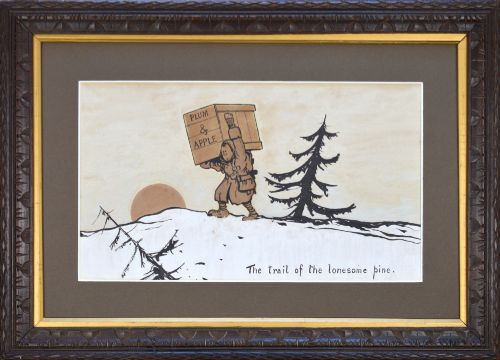
- A painting method combining water-soluble pigments with diluted ink or dark paint to create tonal depth. This technique was widely utilised by military artists recording active campaigns on paper.
Antique Soldier Art: Frequently Asked Questions
What periods do these pieces cover?
The listings span from the eighteenth century through the Victorian and Edwardian eras up to the mid-twentieth century.
Most items concentrate heavily on the nineteenth century and the First World War period of the 1910s and 1920s.
How were trench art items made?
Soldiers and prisoners of war carved wood or repurposed metal and glass during lulls in combat.
Simple hand tools transformed discarded materials into functional letter openers, carved figures and commemorative plaques.
How do I identify military ranks in portraits?
Artists painted precise uniform details, including lapel badges, shoulder epaulettes, braiding and headdress styles specific to regiments.
Uniform guides and historical regimental records help match these visual markers to specific military ranks.
How should I display paper watercolours?
Watercolours and drawings on paper require protection from direct sunlight to prevent fading of the pigments.
Framing behind conservation glass with acid-free mounts preserves the paper and the integrity of the ink or wash.