



Antique Snake Sculpture
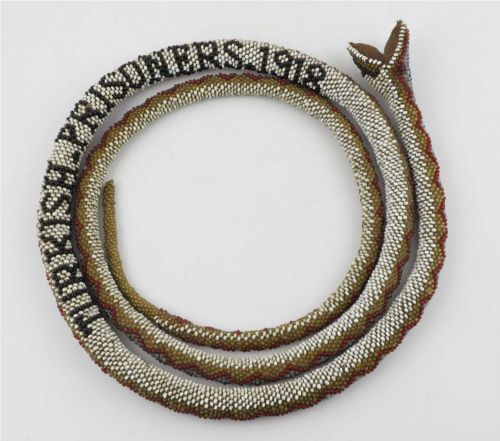
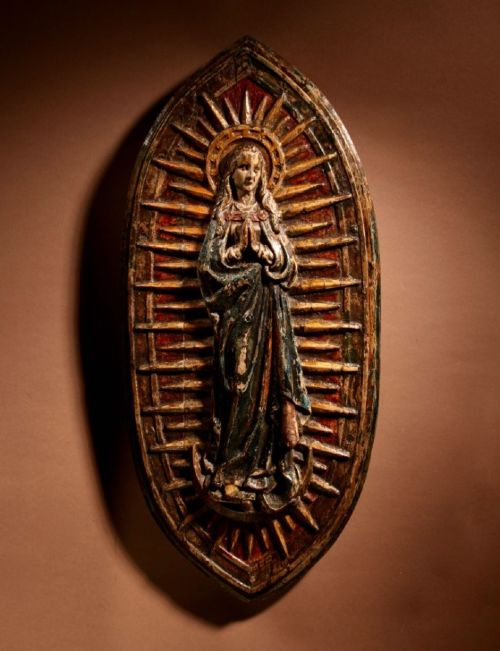
These antique snake sculpture pieces range from sixteenth-century oak panels to twentieth-century patinated bronze figurines, offering compelling focal points for a cabinet or mantelpiece.
Antique Snake Sculpture
An antique snake sculpture takes many forms across different centuries, encompassing figurative bronzes, porcelain figurines, and carved architectural panels. Collectors seek these works for their striking animal subjects and human figures depicted alongside serpents.
The selections available here lean heavily toward nineteenth-century and early twentieth-century bronze casting, alongside isolated examples of sixteenth-century oak carving and porcelain. Orientalist themes and classical subjects dominate the sculptural forms.
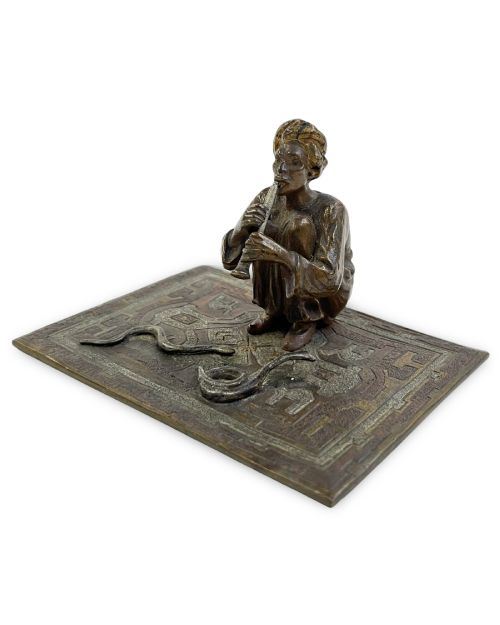
Figure groups depicting snake charmers, dancers, and mythological encounters appear frequently among the bronze pieces. Porcelain figures also represent animal conflict subjects, such as leopards attacking snakes.
Materials and construction
Bronze serves as the primary medium for the majority of these sculptures, often enhanced with cold-painted polychrome details or patination. Founders utilised traditional casting methods to capture intricate textures on serpent scales and human garments.
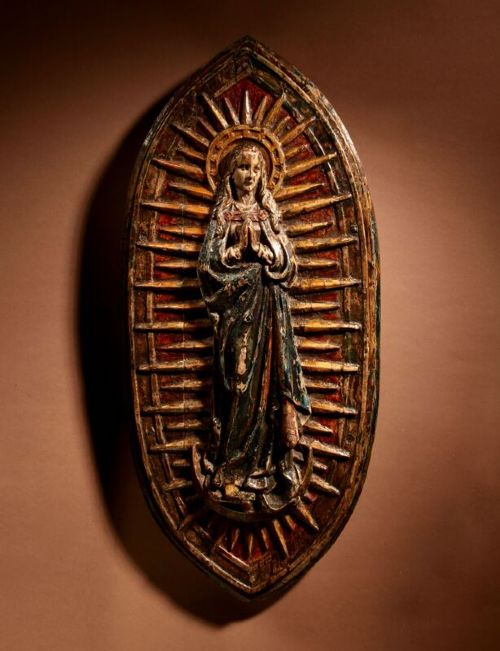
Carved oak appears in earlier religious panel work, demonstrating medieval joinery and relief carving techniques. Porcelain figures rely on slip casting and meticulous hand-painting with polychrome enamels and gold leaf.
Foundries such as Siot applied specialised chemical treatments to patinated bronze surfaces to achieve distinct tonal depths. Cold-painted techniques applied thin layers of paint directly onto the warm metal surface.
Antique Snake Sculpture Retail Price Guide 2026
Typical asking prices for snake sculpture among the pieces listed under this phrase on Sellingantiques today, from the lower quarter to the upper quarter. They describe what is for sale here now, not the wider market.
Victorian sculptors maintained an endless fascination with serpents, ensuring that even a quiet bronze maiden must contend with an unexpected asp.
Understanding quality in the range
The preservation of original cold-painted surfaces or rich patination significantly elevates a piece. Subtle tonal variations and carefully applied polychrome paint demonstrate superior workshop standards.
In carved oak panels and porcelain figurines, the depth of relief and the precision of the hand-painted glazes dictate the standard of execution. Strong compositional movement separates master works from routine production.
Franz Xaver Bergman·Charles Arthur Bourgeois·Ivan Zaiec·Royal Worcester·Claire Colinet·Georges Gardet·Siot Foundry·Meissen
The Antique Snake Sculpture Glossary
- Cold-painted bronze
- A method where paint is applied to a finished bronze object without firing, common in Viennese workshops. This technique allows for vibrant polychrome surface decoration.
- Patinated bronze
- Metal treated with chemicals to produce a stable surface colour or aged finish. This process protects the bronze while enhancing sculptural contours.
- Polychrome
- Decorated in multiple colours, often found on porcelain figurines and painted metalwork. It adds visual realism to garments and natural elements.
- Gesso
- A plaster-like mixture applied to wood surfaces to provide a smooth base for painting or gilding. Medieval panels frequently utilised this preparatory layer.
- Orientalist
- An artistic style from the nineteenth century depicting themes and scenes from the Middle East and North Africa. Many bronze snake charmer figures belong to this genre.
Antique Snake Sculpture: Frequently Asked Questions
How do I care for antique bronze sculptures?
Keep bronze sculptures in stable indoor environments away from excessive moisture and direct sunlight. Dust them gently with a soft, dry brush to preserve the patination.
Avoid using liquid cleaners, polishes, or abrasive cloths on patinated or cold-painted surfaces. These treatments can strip away the historical finish and diminish the value of the piece.
What is cold-painted bronze?
Cold-painted bronze refers to metal sculptures painted with oil or enamel colours that are not subjected to high kiln firing. Viennese workshops popularized this vibrant finishing method during the late nineteenth and early twentieth centuries.
Because the paint sits on the surface without being baked on, it requires careful handling. Inspecting the remaining pigment helps determine whether the colouring is original.
How are nineteenth-century bronzes dated?
Dating relies on foundry marks, artist signatures, casting quality, and stylistic indicators such as Art Nouveau or Orientalist motifs. Contemporary directories and exhibition records help confirm active working periods.
Examine the underside and base for foundry stamps or incised signatures. Patination styles and casting methods also offer strong chronological clues for nineteenth-century works.
Where were these sculptures displayed originally?
These sculptures served primarily as decorative cabinet pieces, mantel ornaments, or table lamps in European bourgeois and aristocratic homes. Larger architectural panels originated from religious altarpieces.
Figurines and lamp bases were designed to be viewed closely in domestic interiors. Their placement reflected contemporary tastes for exotic subjects and classical mythology.