

Antique Slatted Stand
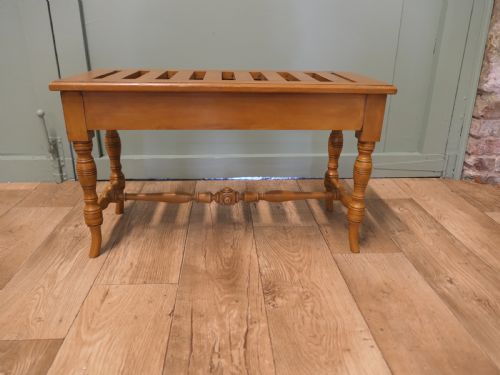
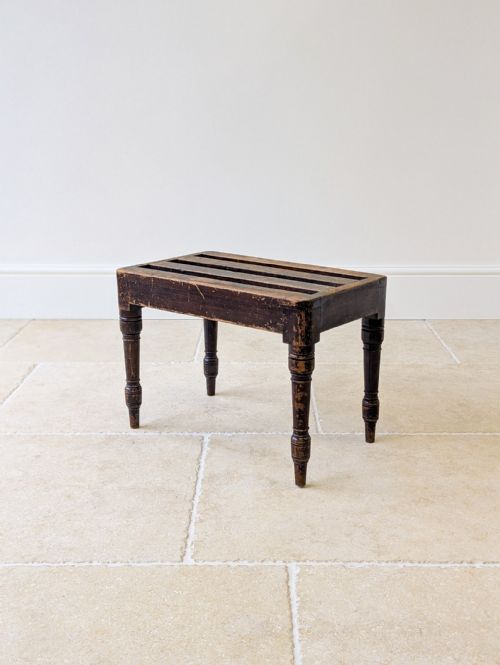
An antique slatted stand brings practical utility to a hallway or bedroom, offering sturdy slatted surfaces designed for luggage, books, or plants.
Antique Slatted Stand
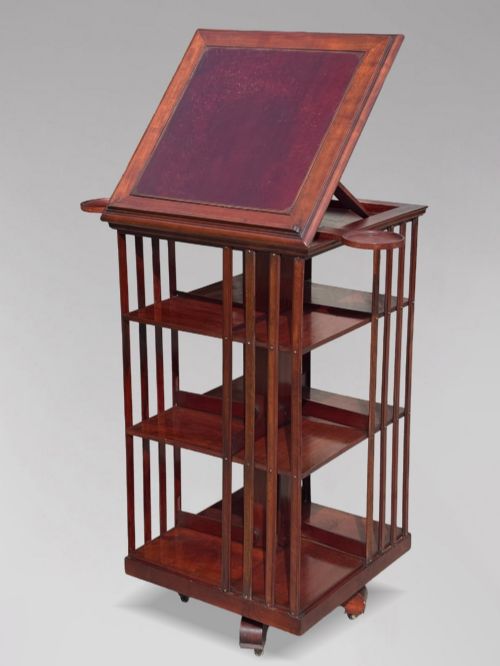
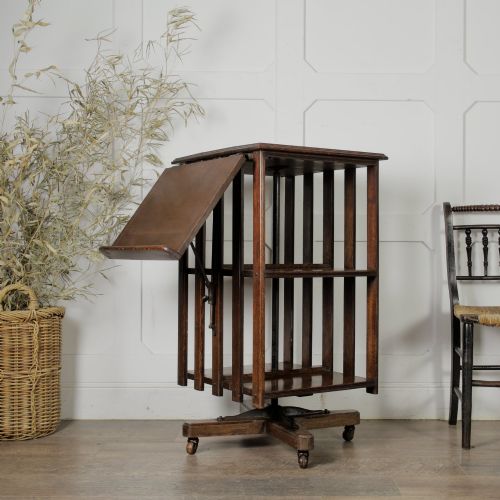
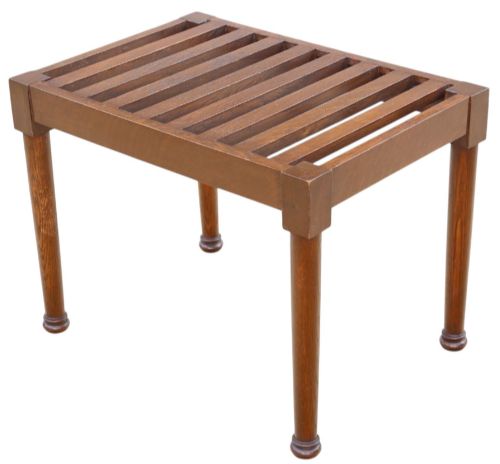
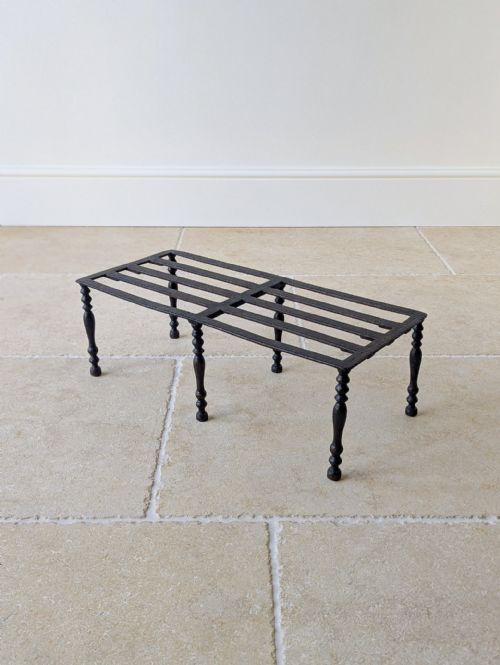
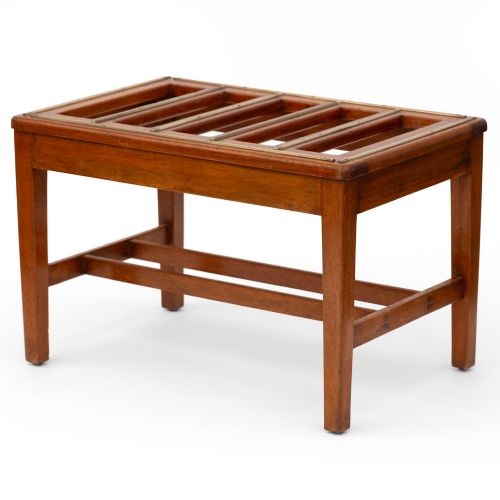
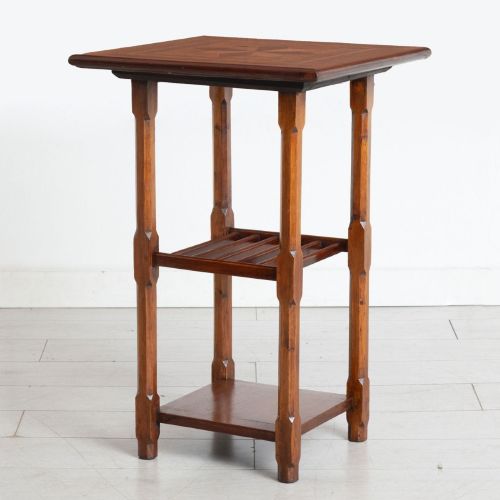
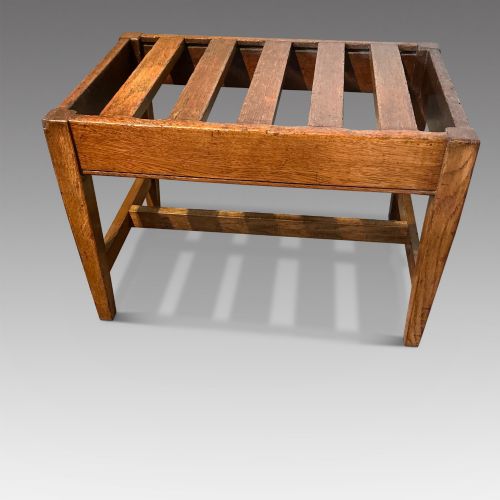
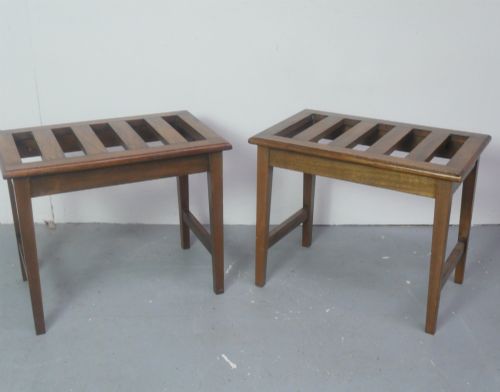
When you search for an antique slatted stand, you encounter a practical category of domestic furniture primarily composed of luggage stands, racks, and multi-tiered bookcases. These pieces serve functional purposes in hallways, bedrooms, and living spaces, offering raised slatted platforms designed to hold luggage, heavy books, or plants.
The most common versions met on this page span the Victorian, Edwardian, and early twentieth-century periods, alongside examples from the Georgian era. Materials vary from solid oak and mahogany to pine, ash, and walnut, frequently incorporating brass or iron fittings.
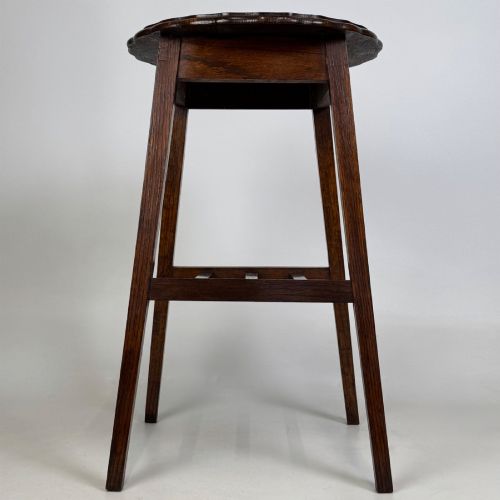
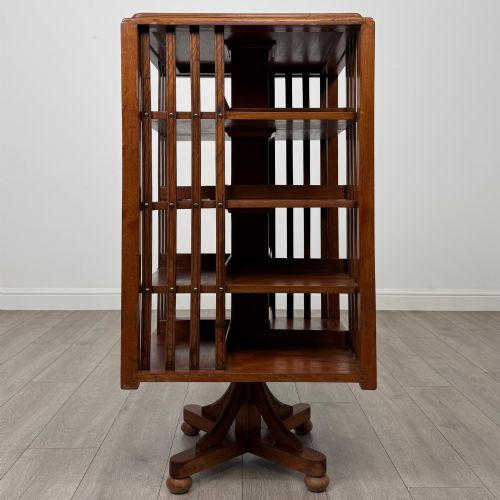
Formations range from folding luggage stands and suitcase racks with slatted tops to revolving bookcases and side tables featuring distinct slatted sides. Originating from diverse settings including country houses and hotels, these furnishings combine straightforward utility with period craftsmanship.
Materials and Construction Techniques
Makers utilised hardwoods like oak, mahogany, and walnut alongside softer timbers such as pine and beech to construct these stands. Timber selection depended on the intended placement, with robust oak and mahogany chosen for heavy use in country houses and hotels.
Construction methods relied on sturdy joinery to support weight, often pairing slatted wooden tops or shelves with folding or fixed frames. Metal components such as brass, cast iron, and wrought iron provided structural reinforcement, hinges, and decorative detailing.
Antique Slatted Stand Retail Price Guide 2026
Typical asking prices for slatted stand among the pieces listed under this phrase on Sellingantiques today, from the lower quarter to the upper quarter. They describe what is for sale here now, not the wider market.
Listings show slatted stands executed in oak, mahogany, walnut, and pine, spanning the Georgian, Victorian, and Edwardian periods.
Distinctions in Quality and Make
Quality separates through the selection of timber and the precision of the joinery rather than ornamentation alone. Dense, well-figured oak and mahogany with tight grain patterns indicate superior craftsmanship compared to plain or utility-grade softwoods.
Structural integrity dictates the standing of a piece, observable in the rigidity of folding mechanisms, the smoothness of revolving tiers, and the stability of slatted platforms under weight. Maker attribution, such as signed pieces from established firms, elevates a stand above anonymous workshop production.
Brown & Lamont·Beatty Bros Fergus Canada
The Antique Slatted Stand Glossary
- Luggage Stand
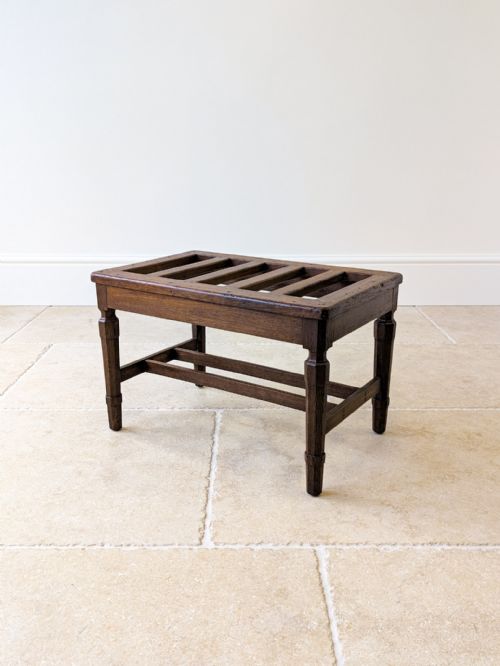
- A low folding or fixed stand with a slatted top used for holding suitcases and travelling bags. These pieces often feature raised rear upstands to protect walls.
- Revolving Bookcase
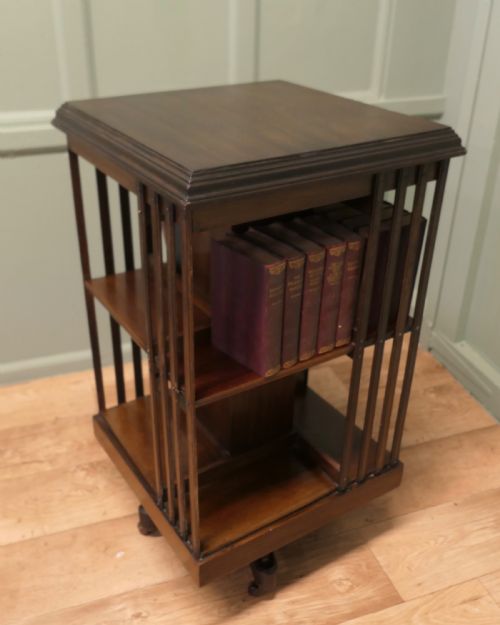
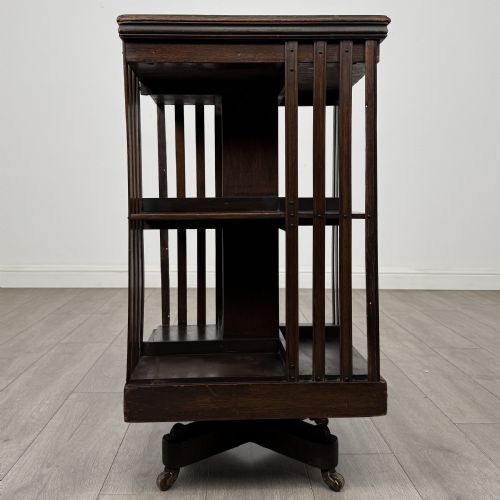
- A freestanding tiered bookcase designed to rotate on a central pivot, frequently constructed with slatted sides. This form allows access to books from all angles in a compact footprint.
- Canterbury
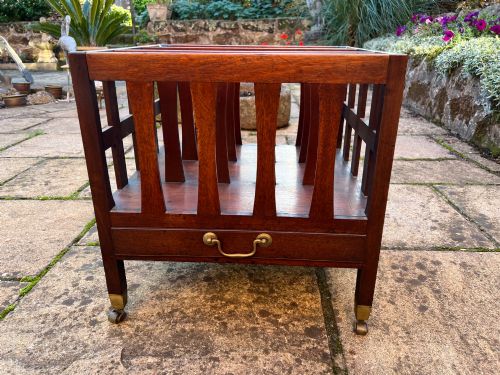
- A low multi-partitioned stand used for holding sheet music or books, typically fitted with slatted or spindle sides and sometimes incorporating a drawer below.
- Upstand
- A vertical barrier raised along the rear edge of a stand to prevent items from sliding off the back. It adds both structural rigidity and a decorative finish.
- Whatnot
- An open shelved piece of furniture designed for displaying ornaments or holding books. Multi-tiered versions utilise open wooden slats or shelves.
Antique Slatted Stand: Frequently Asked Questions
What was an antique slatted stand used for?
These stands served practical domestic functions, primarily holding luggage in guest bedrooms or supporting books, magazines, and plants in living areas. Their slatted design allowed for ventilation and lightweight strength.
In larger houses, variants like folding luggage racks were moved between rooms as guests arrived, while revolving bookcases sat beside armchairs for easy reading access.
How do I identify an Edwardian slatted stand?
Edwardian examples often feature lighter golden oak or mahogany timbers with restrained decoration, reflecting the tastes of the early twentieth century. Construction tends to be crisp, utilising reliable joinery for folding stands and multi-tiered bookcases.
Comparing the proportions and wood finish to dated pieces helps confirm the Edwardian origin, as makers favoured clean lines over heavy Victorian carving.
Can I use a luggage stand for everyday furniture?
Luggage stands provide sturdy surfaces that function well as bedside tables, plant holders, or bathroom shelving for towels. Their slatted tops offer stable support while maintaining an open, airy appearance in modern rooms.
Folding versions retain their original mechanism, allowing them to be stored away easily if needed, though most owners keep them in permanent placement.
How do I care for antique oak and mahogany?
Maintain timber stands by dusting regularly with a dry cloth and applying natural beeswax periodically to nourish the wood grain. Avoid placing them near direct heat sources or strong sunlight to prevent warping and fading.
Checking and gently tightening any brass hinges or iron hardware ensures the frame remains stable during daily use.