



Antique Slatted Music Stand
An antique slatted music stand or Canterbury provides a practical home for sheet music and folios with period craftsmanship.
Antique Slatted Music Stand
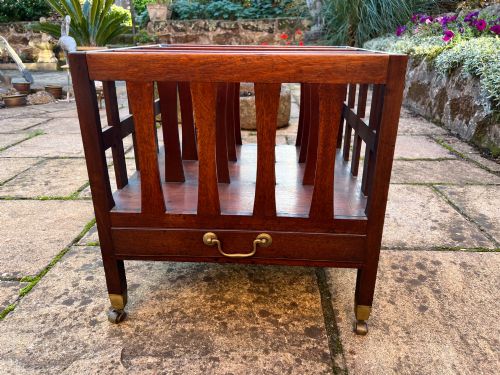
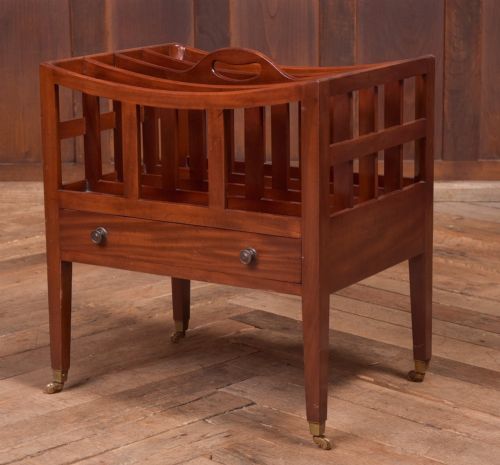
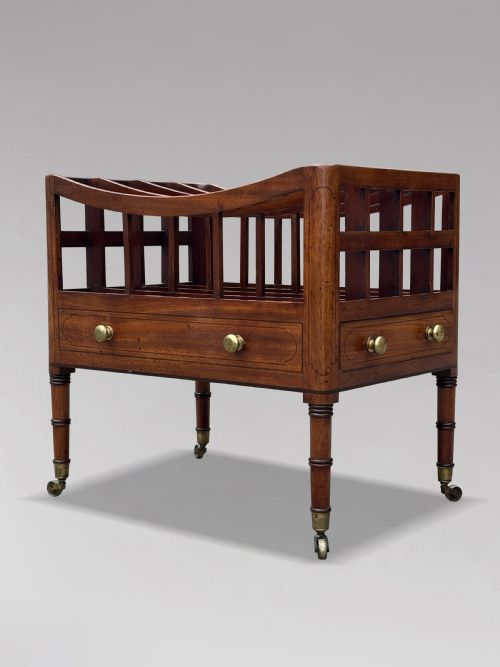
An antique slatted music stand encompasses items such as Canterburys, magazine racks, and lecterns designed to hold folios and books. The primary form met on this page is the Canterbury, often featuring distinct divisions created by slender vertical slats.
Makers across the Georgian, Regency, Edwardian, and early Victorian periods produced these pieces in forms ranging from boat-shaped designs to items incorporating single drawers. Examples span the eighteenth century, the nineteenth century, and into the nineteen-thirties.
The objects serve as functional stands for sheet music while functioning as decorative furniture pieces in reception rooms. Pieces identified as lecterns and music stands also appear alongside traditional multi-division Canterburys.
How they were made
Cabinet makers constructed these pieces predominantly from mahogany, utilising its grain and durability for slatted dividers and frame structures. Oak and pine also appear in specific utilitarian or ecclesiastical examples.
Brass fittings frequently accent the construction, appearing on castors or structural elements of boat-shaped and division-style Canterburys. Joinery techniques connect the slatted partitions to firm rectangular or shaped bases.
Antique Slatted Music Stand Retail Price Guide 2026
Typical asking prices for slatted music stand among the pieces listed under this phrase on Sellingantiques today, from the lower quarter to the upper quarter. They describe what is for sale here now, not the wider market.
Named after an Archbishop of Canterbury who requested a low music stand, these pieces quietly hold centuries of musical scores.
What varies in quality
The refinement of the timber and the precision of the slatted divisions distinguish standard items from finer examples. Superior pieces display thoughtful proportions in their boat shapes and incorporate well-fitted drawers beneath the slatted compartments.
The integration of brass castors and the crispness of period stylistic details, such as Sheraton influences, elevate the character of individual pieces. Robust joinery in the main frame ensures longevity across centuries of use.
The Antique Slatted Music Stand Glossary
- Canterbury
- A low, open-framed piece of furniture fitted with vertical slats, designed specifically to hold music books and folios. It often includes a drawer at the base.
- Boat shape
- A curved design configuration seen in certain Regency and Victorian pieces, resembling the hull of a vessel. This profile shapes the outer partitions of the Canterbury.
- Lectern
- A slanted support structure used to hold books or reading material in an upright position. Ecclesiastical examples frequently utilise oak and pine.
- Sheraton
- A late eighteenth-century neoclassical furniture style characterised by straight lines and refined proportions. Pieces from this period often display elegant mahogany grain.
Antique Slatted Music Stand: Frequently Asked Questions
What is an antique slatted music stand used for?
These pieces were originally designed to hold sheet music, scores, and literary folios within a parlour or music room. They keep bound volumes organised in vertical divisions for easy access.
Today, they function effectively as magazine racks or display pieces beside seating areas in period and contemporary interiors.
How do I identify a Georgian Canterbury?
Georgian examples typically feature rich mahogany timber, precise slatted partitions, and restrained period ornamentation. Many incorporate low drawer bases and slender legs.
Construction methods from this era rely on traditional joinery techniques and often include brass castors on the feet.
What materials are used in these stands?
Mahogany serves as the predominant timber across the majority of surviving pieces, valued for its strength and rich hue. Oak and pine appear less frequently, often in lecterns or utilitarian designs.
Brass hardware frequently completes the construction on castors and decorative accents.
Where should I place a Canterbury in my home?
A Canterbury sits well beside a piano, armchair, or sofa where its open slatted divisions remain accessible. Its low profile allows it to fit neatly against walls or beneath windows.
These stands provide practical storage for current reading material while introducing nineteenth or eighteenth-century woodwork into the room.