

Antique Sketch Frame
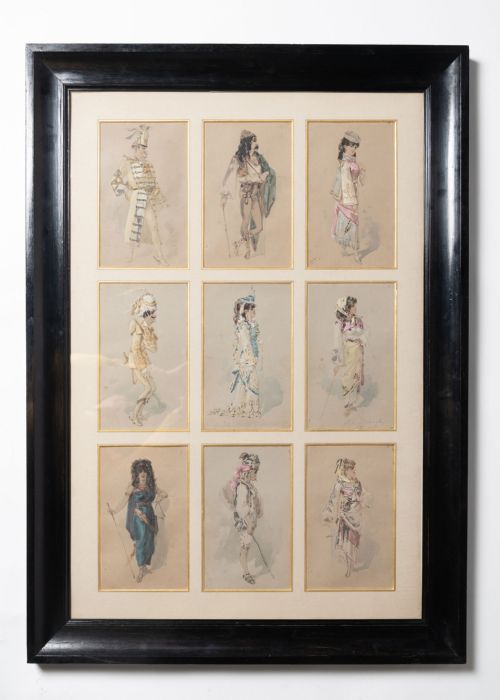
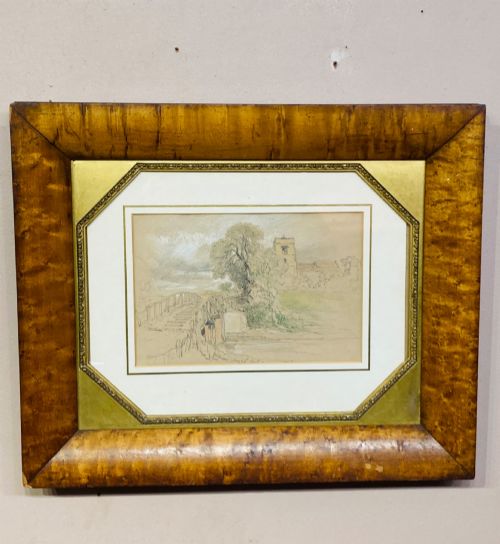
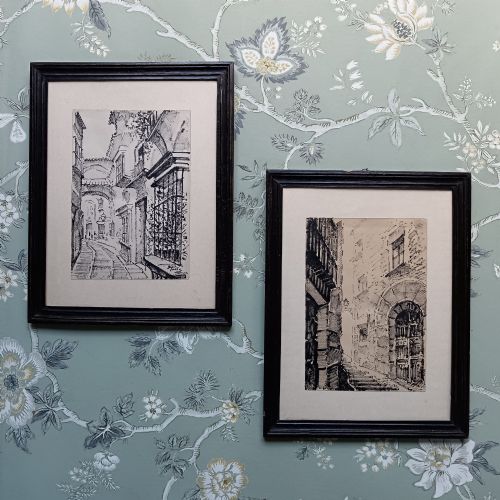
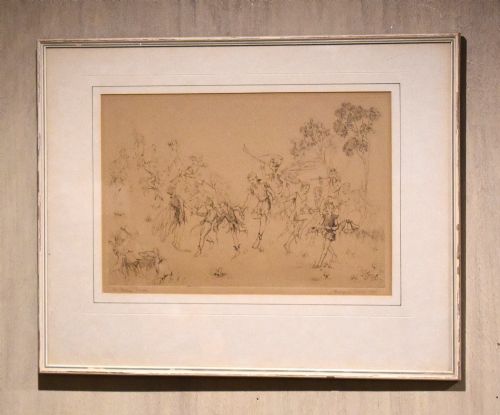
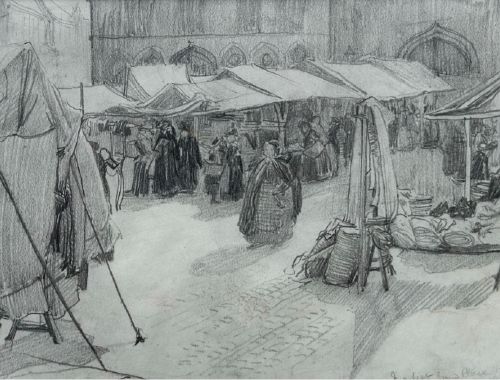
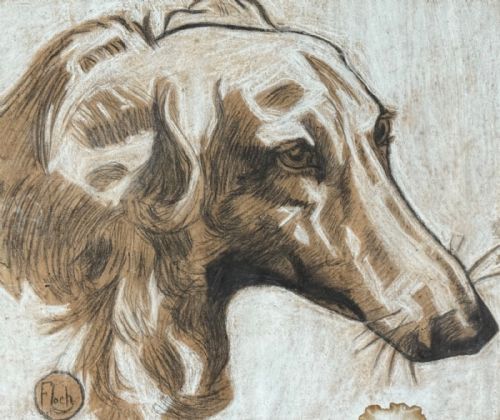
An antique sketch frame holds works on paper executed in graphite, charcoal, ink, or watercolour from past centuries.
Antique Sketch Frame
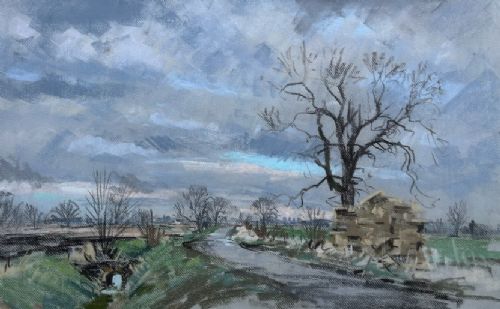
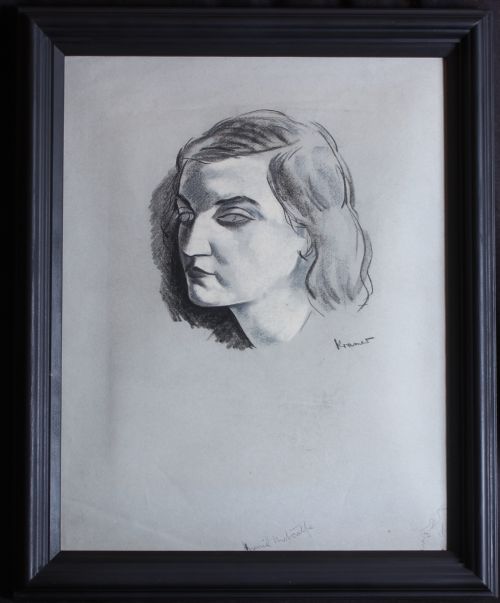
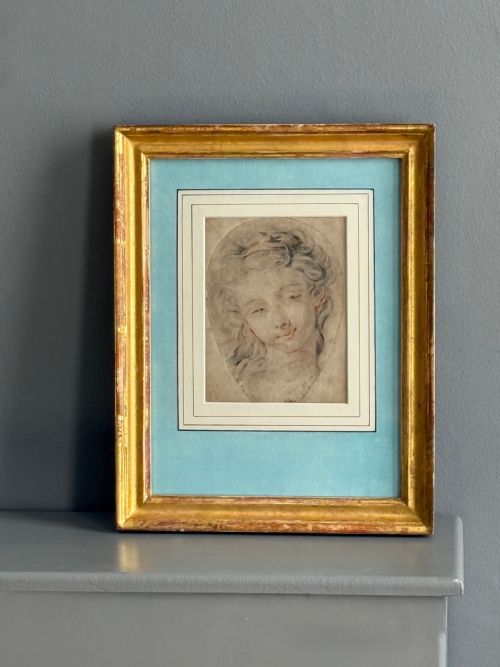
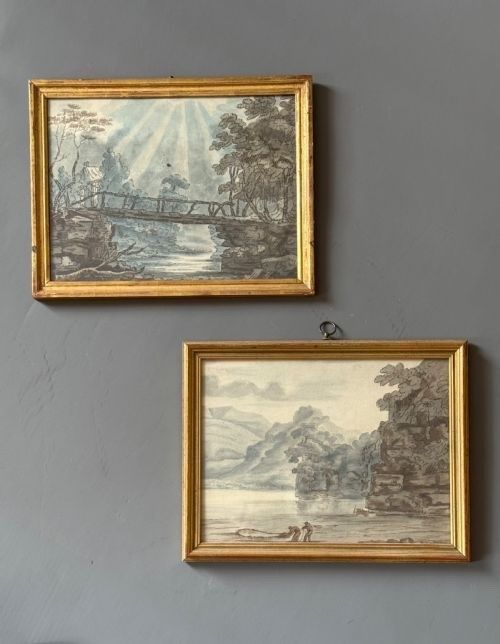
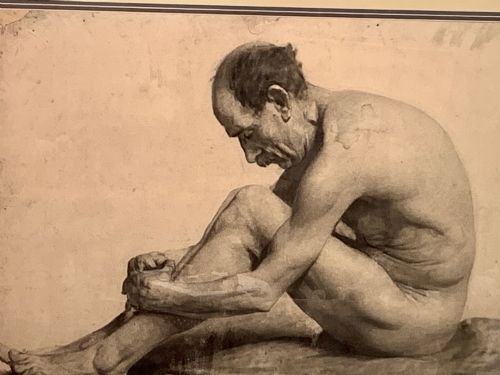
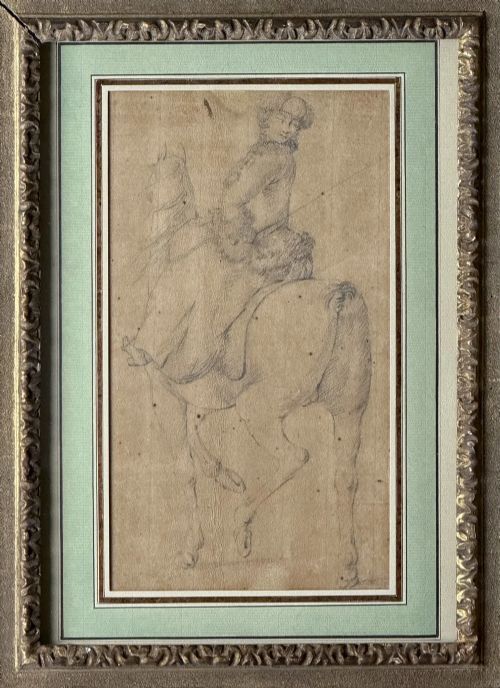
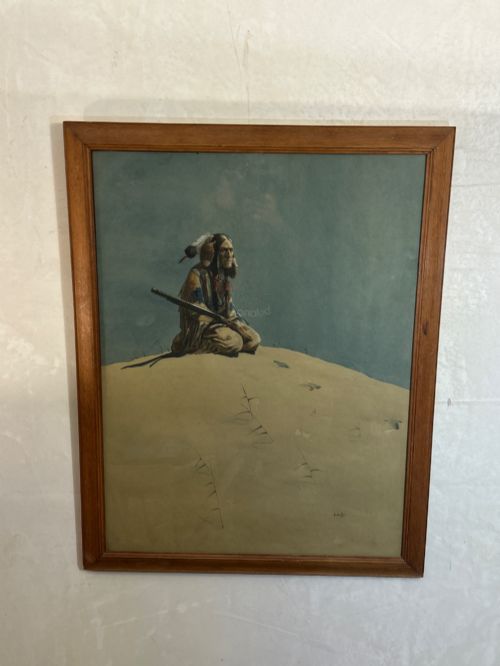
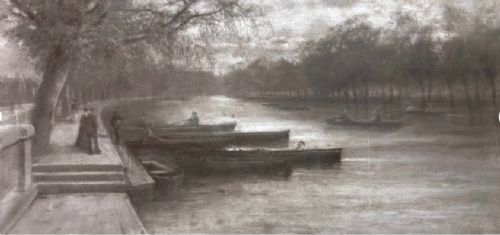
An antique sketch frame contains original works on paper spanning the eighteenth, nineteenth, and early twentieth centuries, encompassing academic studies, portraits, and landscapes. A buyer searching for an antique sketch frame will encounter framed drawings, watercolours, and pastels rendered in styles ranging from Georgian and Regency to Victorian and early twentieth-century realism.
The objects preserved within these surrounds take the form of preparatory studies, quick life drawings, and finished portraiture executed by various European and British schools. Pieces originating from the nineteenth century predominate, frequently featuring figural subjects, architectural sketches, and military or equestrian studies.
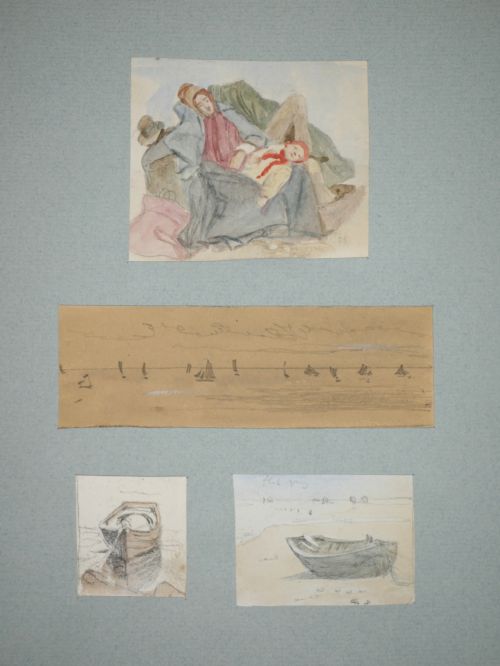
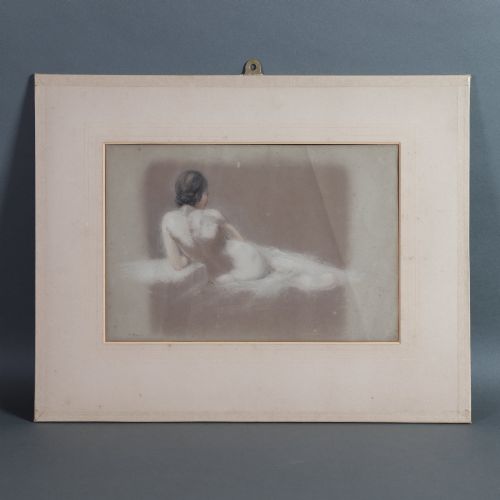
Framed works survive in diverse formats, from modest pencil sketches on buff paper to larger charcoal compositions and gouache paintings protected beneath glass. Each presentation combines the artwork with its period mounting, often utilising timber frames that reflect the aesthetic of the date of execution.
Materials and construction
The physical components of these items centre on the paper support, which ranges from handmade laid sheets to nineteenth-century wood-pulp paper, frequently bearing watermarks or toning from age. Artists applied media such as graphite, charcoal, chalk, ink wash, and watercolour directly to these surfaces, sometimes heightening the details with white bodycolour.
Wood provides the primary structure for the surrounds, constructed from timber such as walnut, giltwood, or painted mouldings designed to hold the glass and protect the delicate media underneath. Glazing secures the paper against atmospheric moisture and airborne particulate matter, while backing boards of various eras seal the reverse of the assembly.
Antique Sketch Frame Retail Price Guide 2026
Typical asking prices for sketch frame among the pieces listed under this phrase on Sellingantiques today, from the lower quarter to the upper quarter. They describe what is for sale here now, not the wider market.
The media recorded include charcoal, graphite, chalk, ink wash, gouache, and watercolour across various European academic traditions.
Factors determining quality
Excellence in these works resides in the sureness of the draughtsmanship, where confident lines and deliberate tonal gradations distinguish a master's preparatory study from a hesitant amateur exercise. The condition of the paper surface, the absence of excessive foxing or acid burn, and the survival of the original contemporary frame contribute significantly to the standing of any given piece.
The relationship between the artist and the subject elevates certain examples, particularly when inscriptions, signatures, or documented provenance link a drawing to a known school, royal personage, or academic institution. Furthermore, the harmonious pairing of an artwork with a period-appropriate frame enhances the integrity of the whole object.
Marjorie L Davies·Francois Boucher·Henry Percy Huggill·James Smetham·John Hassall·William Etty·Augustus John·Peter Lely·Henri Charles Angeniol·Frédéric Chopin·Ludwig van Beethoven·Johannes Brahms·Major Wentworth Smith·Padre C.F.Laughton·R.S.M.Tucker·Snaffles·Marie Leczinska·Michael Healy·Sir Thomas Lawrence·Henry Arthur Roberts·Cecil Charles Windsor Aldin·Leopold Halvoet·Princess Alice Maud Mary
The Antique Sketch Frame Glossary
- Foxing
- Brown spots of chemical oxidation appearing on old paper caused by iron impurities in the manufacturing process. These spots often develop over decades in damp environments.
- Wash
- A thin, transparent layer of diluted ink or watercolour applied with a brush to create tonal depth and shadows. This technique is frequently seen in eighteenth and nineteenth-century architectural and figural drawings.
- Buff paper
- A warm, brownish-yellow or light tan paper stock favoured by artists in the nineteenth century as a mid-tone background. It allows highlights in white chalk or gouache to stand out effectively.
- Mat
- A cardboard border placed between the artwork and the glass to prevent the delicate media from touching the glazing. It also provides visual breathing space around the composition.
- Laid paper
- Handmade paper featuring a grid-like pattern of fine parallel lines and wider spaced perpendicular lines created by the wire mesh of the papermaker's mould. This substrate is commonly found in eighteenth-century works.
Antique Sketch Frame: Frequently Asked Questions
Can I reframe these old drawings?
Replacing the frame is discouraged if the current surround is contemporary to the artwork, as original mountings preserve the historical context and aesthetic presentation of the period. Altering the framing can also disturb archival backing materials that hold provenance notes or historical labels.
If structural damage necessitates intervention, consult a professional conservator to ensure any new housing utilises acid-free barrier materials and provides adequate clearance between the paper and the glazing.
Where should I hang these pieces?
Position works on paper away from direct sunlight and strong artificial spotlights, as ultraviolet rays rapidly fade watercolours, inks, and tinted papers. Stable interior walls that experience minimal temperature and humidity fluctuations offer the best environment for preservation.
Avoid hanging framed drawings on exterior damp-prone walls or above functioning heat sources, which can cause timber mouldings to warp and paper supports to become brittle over time.
How do I identify the period?
Dating relies on examining the paper watermark, the style of the draughtsmanship, and the construction techniques of the timber frame and backing boards. Handwritten inscriptions, dates on the reverse, and framing styles characteristic of Victorian, Regency, or Georgian eras provide reliable chronological markers.
Comparison with documented works by similar academic schools or dated portraiture helps narrow the window of creation when explicit signatures are absent from the sheet.