


Antique Sketch Drawing
When you search for an antique sketch drawing, you uncover original works on paper spanning centuries of human observation.
Antique Sketch Drawing
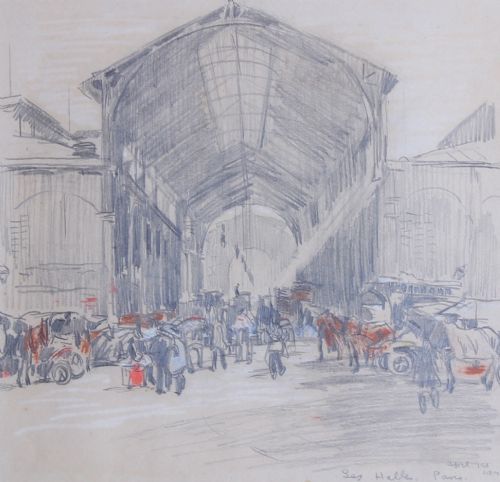
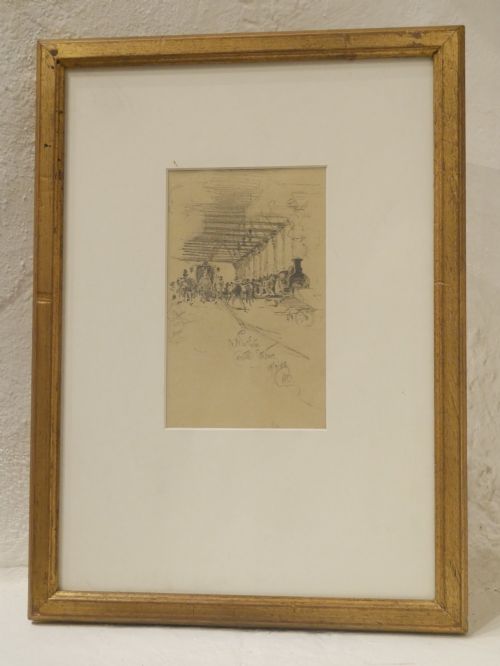
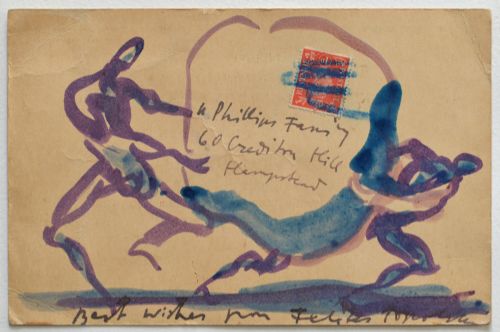
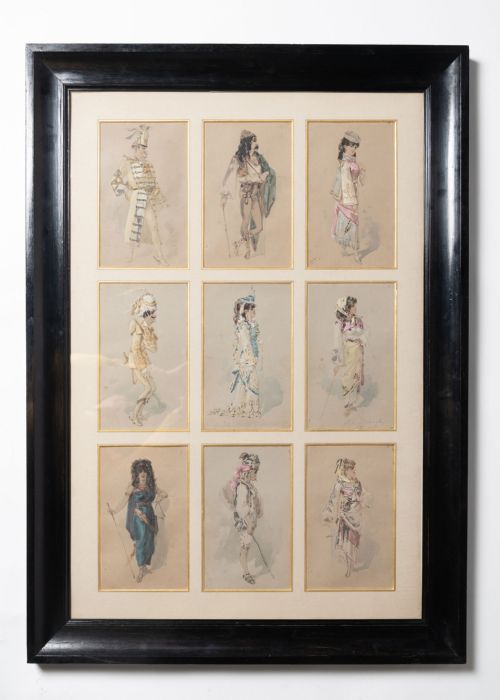
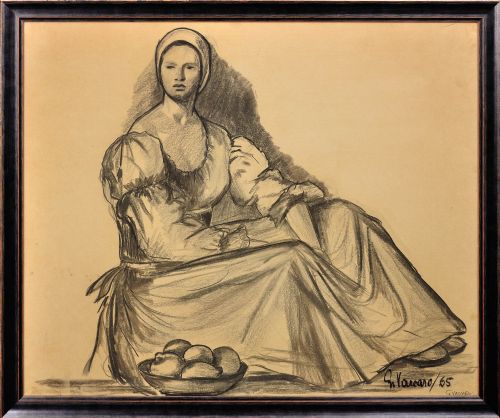
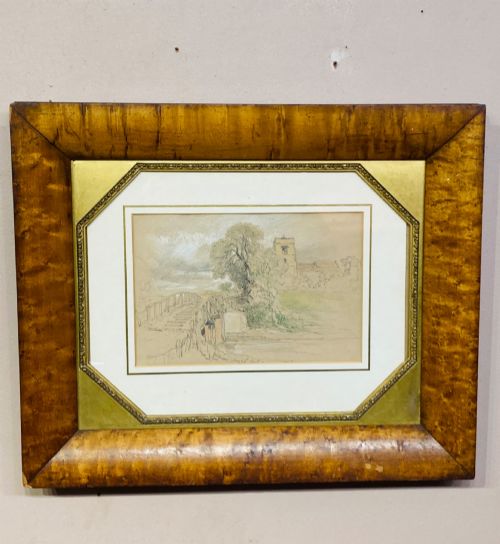
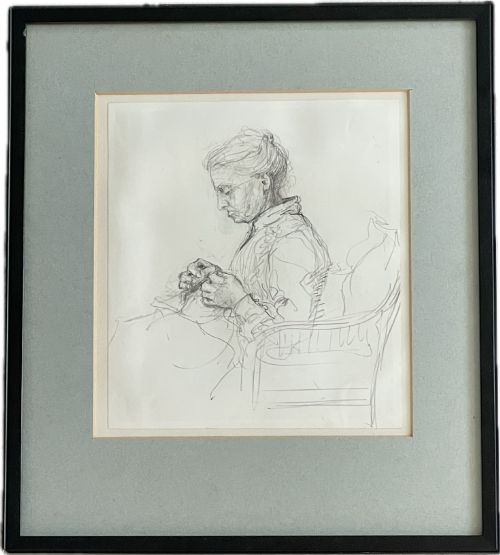
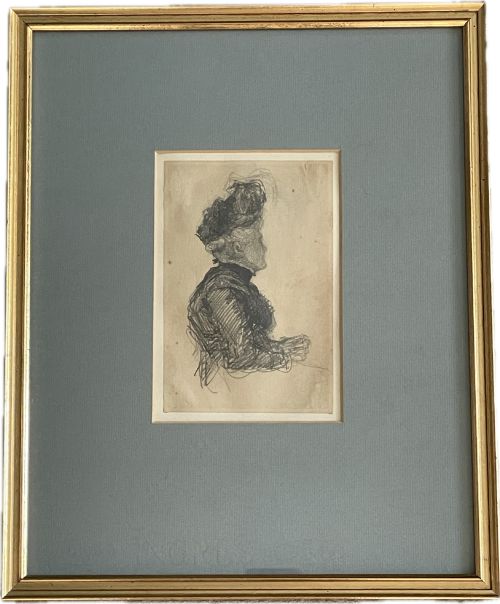
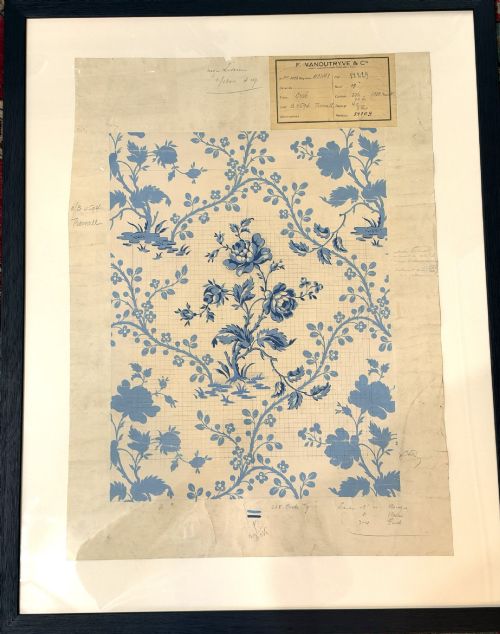
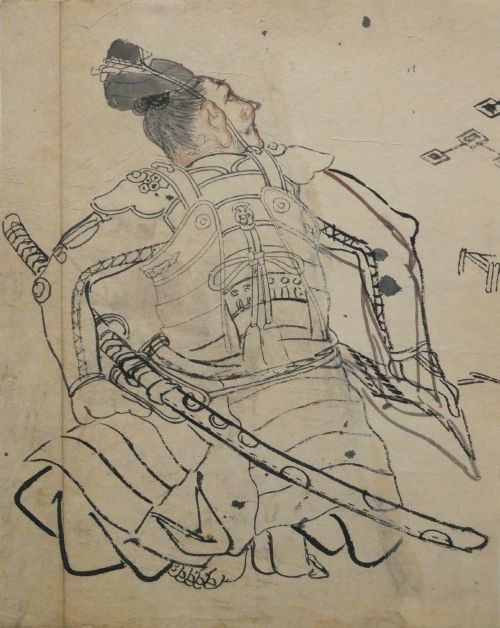
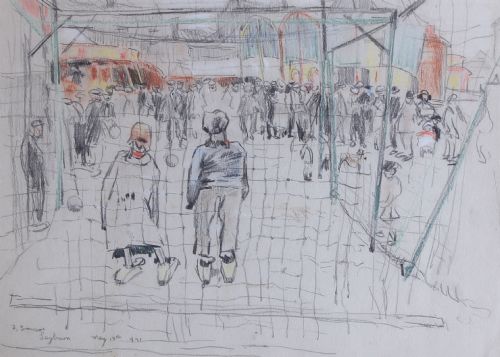
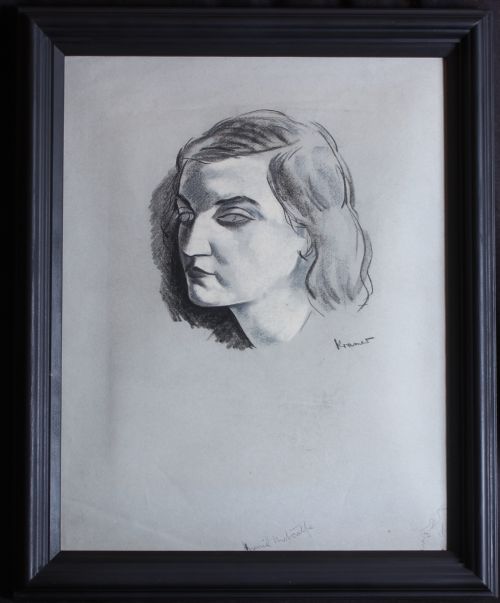
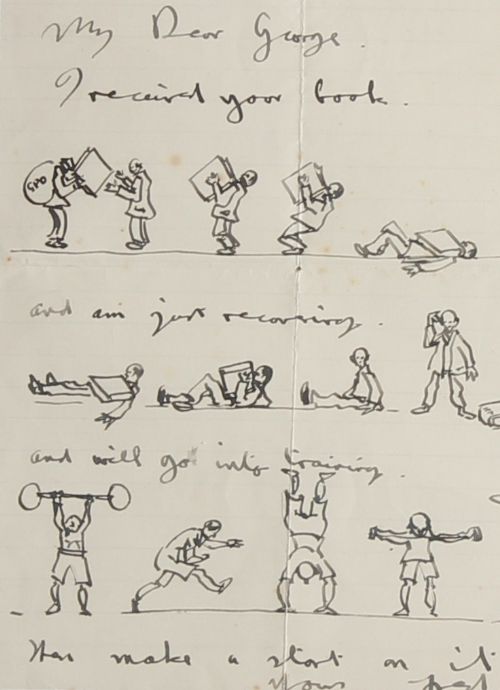
An antique sketch drawing captures an immediate artistic thought, often serving as a preparatory study for a larger painting or acting as a finished portrait in its own right. The pieces seen here span centuries, from eighteenth-century classical compositions to wartime portraits and early twentieth-century character studies.
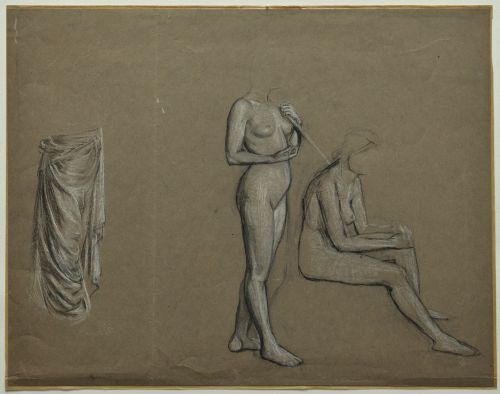
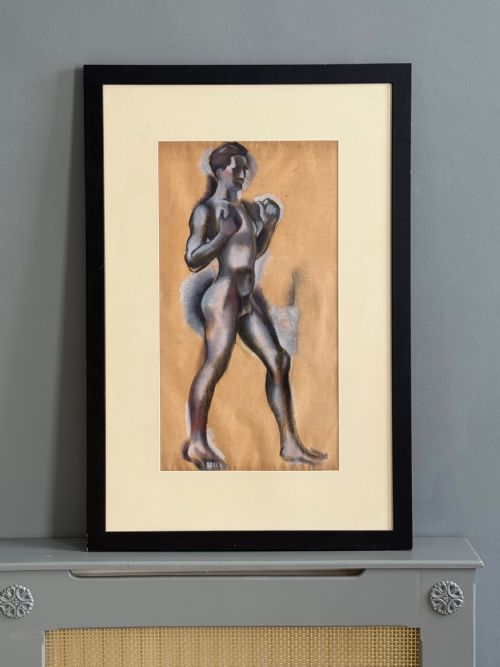
Buyers encounter framed artworks that range from academic figure studies and landscape views to intimate sketches of composers and military officers. These works on paper reveal the direct hand of the artist through swift lines and layered washes, offering a personal connection to the past that finished canvases sometimes obscure.
The selection includes British and continental European schools, displaying stylistic shifts from Baroque and Neoclassical traditions to Victorian realism and the early twentieth century. Whether executed as a rapid landscape note or a detailed academic drawing of the human form, each piece documents a specific moment in artistic practice.
How They Were Made
Artists relied primarily on paper supports, sometimes utilising tinted or buff sheets to enhance highlights in white chalk or gouache. The foundational marks were laid down using graphite pencils or charcoal, allowing for quick adjustments of tone and perspective before committing to permanent media.
Antique Sketch Drawing Retail Price Guide 2026
Typical asking prices for sketch drawing among the pieces listed under this phrase on Sellingantiques today, from the lower quarter to the upper quarter. They describe what is for sale here now, not the wider market.
The selection includes academic figure studies, classical mythology subjects, detailed architectural churches, and intimate wartime portraits.
What Varies in Quality
The mastery of anatomy, proportion, and line confidence distinguishes exceptional academic and portrait studies from ordinary exercises. A skilled hand conveys volume and expression with minimal strokes, whereas lesser works often struggle with structural integrity and spatial depth.
The preservation of the paper support and the vibrancy of fugitive media like charcoal, pastel, and watercolor dictate the visual longevity of the piece. Strong contrast, careful handling of highlights, and thoughtful framing contribute to the overall impact of a work on paper.
Marjorie L Davies·Francois Boucher·Fred Lawson·Henry Percy Huggill·James Smetham·William Etty·William Marshall Craig·Augustus John·Hyacinthe Colin de Vermont·Peter Lely·Herbert Johnson Harvey·Henri Charles Angéniol·Frédéric Chopin·Ludwig van Beethoven·Johannes Brahms·Marie Leczinska·François-André Vincent·Michael Healy·Henry Arthur Roberts·Cecil Charles Windsor Aldin
The Antique Sketch Drawing Glossary
- Academic Realism
- A style of painting and drawing produced under the influence of European academies of art, emphasising precise anatomy, classical subjects, and rigorous life drawing.
- Charcoal
- A dry drawing medium made from slowly burned organic material, capable of producing deep blacks and wide tonal gradations.
- Gouache
- An opaque watercolor paint mixed with a binding agent and white pigment to create solid, matte areas of colour.
- Wash
- A thin, fluid layer of diluted ink or watercolor applied across paper to build tonal depth and shadows.
- Works on Paper
- A broad category encompassing drawings, prints, watercolors, and pastels created on a paper support.
Antique Sketch Drawing: Frequently Asked Questions
How should I display a delicate paper drawing?
Works on paper require careful placement away from direct sunlight to prevent the fading of graphite, ink, and watercolor pigments over time.
Employing UV-filtering glass and acid-free mounts during framing protects the paper substrate and preserves the integrity of the antique sketch drawing for years to come.
What is the difference between a sketch and a study?
A sketch is typically a rapid preliminary note capturing the basic composition or mood of a subject before the creation of a finished piece.
In contrast, a study focuses intently on a specific element, such as a hand, a draped garment, or an anatomical feature, executed with greater deliberation.
How can I identify the period of an unsigned drawing?
Dating often relies on the type of paper used, watermark evidence, and the stylistic conventions of the framing or mounting materials.
Costume, hairstyle, and the specific medium - such as nineteenth-century academic graphite or eighteenth-century iron gall ink - also provide crucial clues to the era of creation.
Are all antique drawings mounted and framed?
Many works survive in their original frames, which can offer valuable historical context regarding the period of display.
Others are found unframed as loose sheets, allowing collectors the freedom to choose conservation-grade framing that complements the aesthetic of the artwork.