
Antique Six Light Fixture
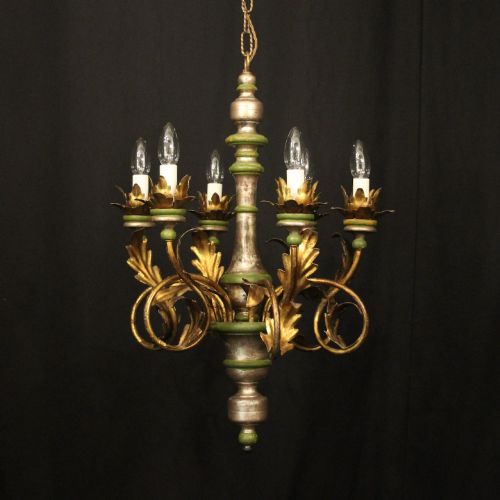
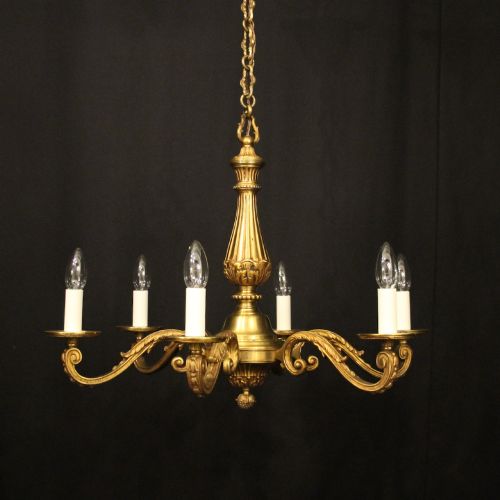
An antique six light fixture delivers a commanding spread of illumination, bringing period weight and presence to a room through balanced multi-branched design.
Antique Six Light Fixture
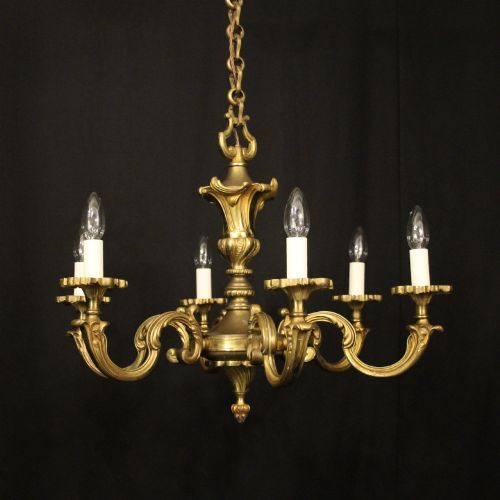
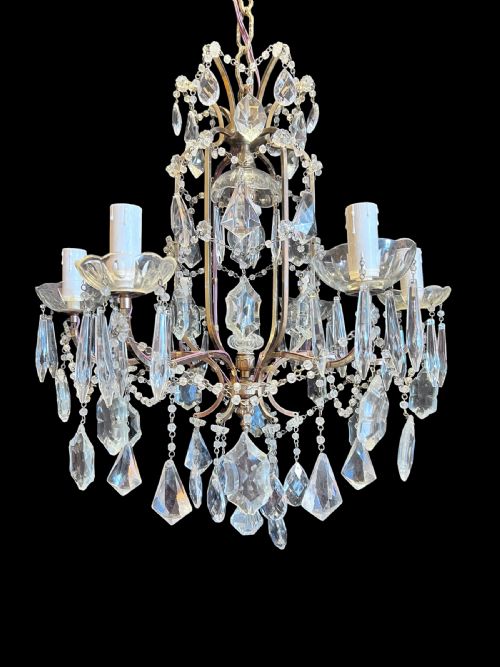
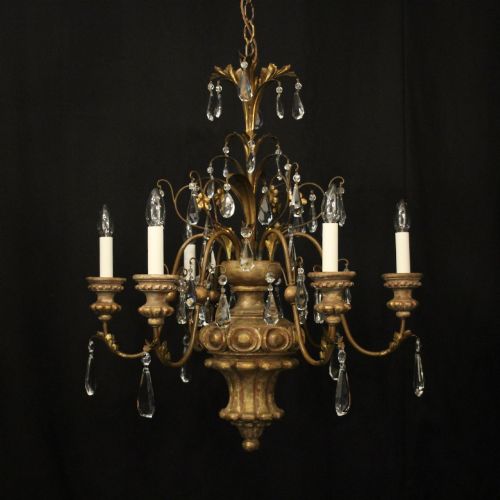
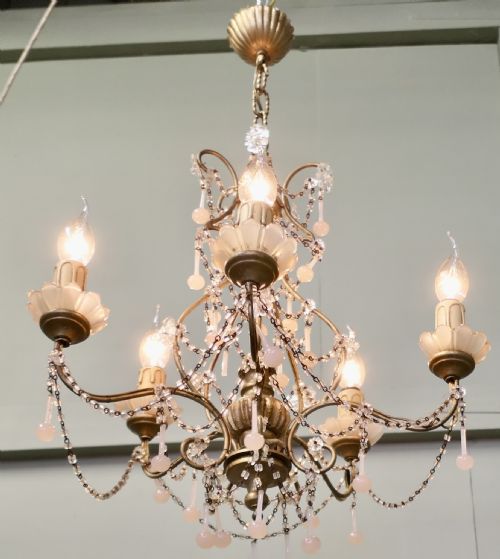
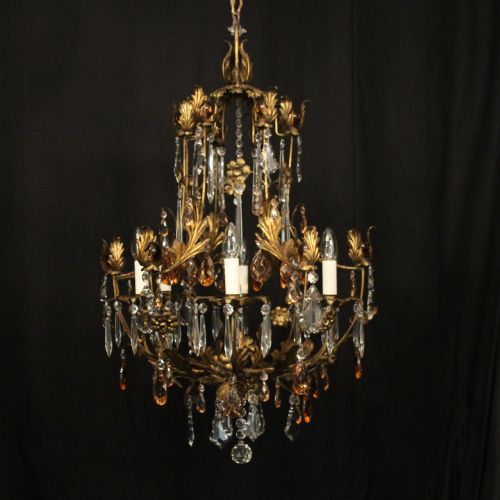
An antique six light fixture primarily takes the form of a chandelier or ceiling light, designed to suspend from the ceiling and distribute six distinct points of illumination. When searching for an antique six light fixture, buyers encounter numerous French examples spanning the nineteenth and early twentieth centuries alongside Italian and English variants.
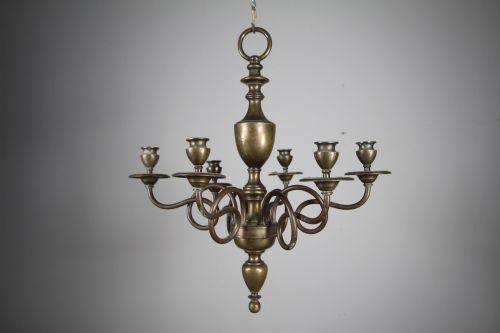
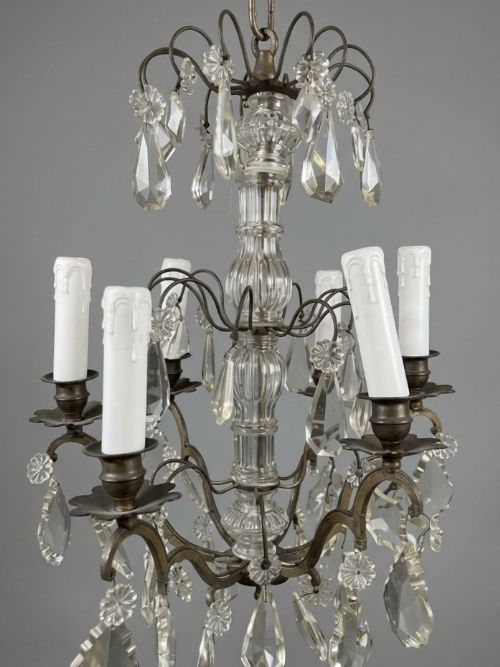
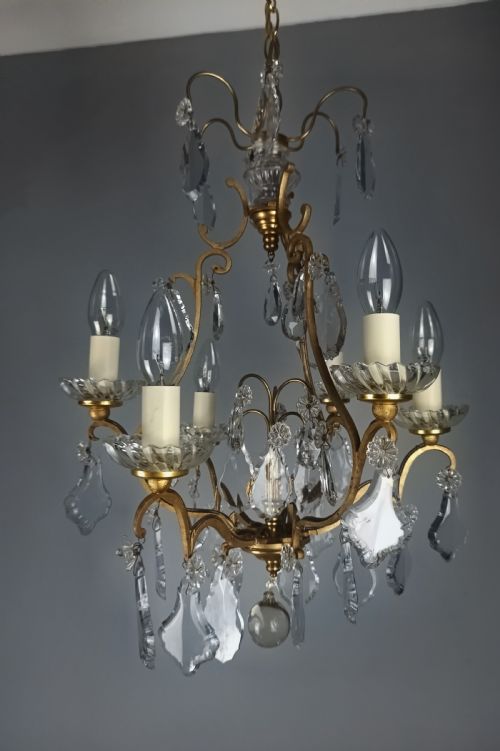
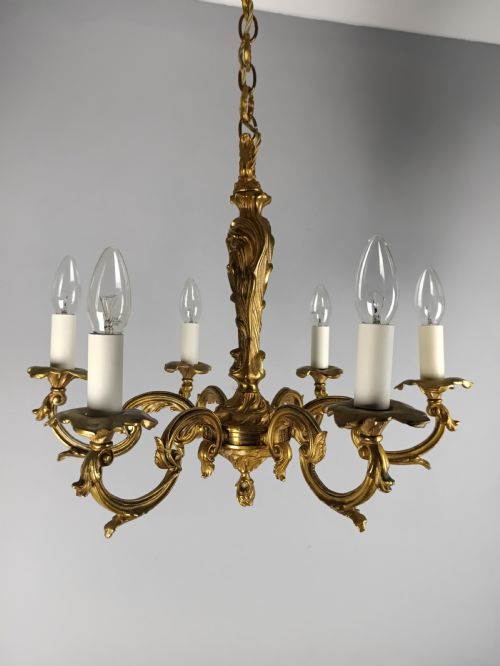
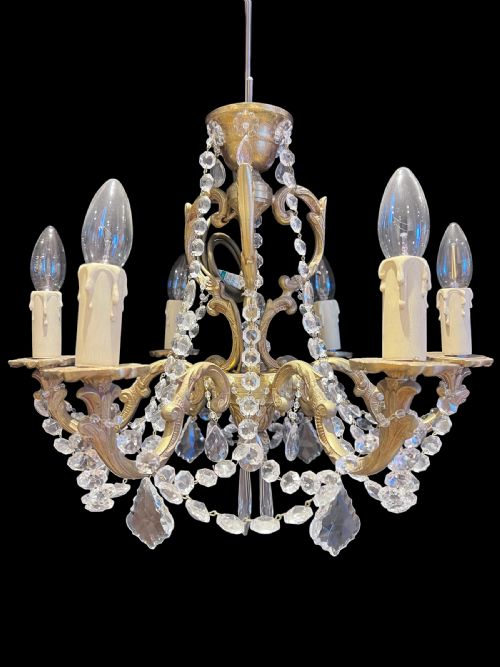
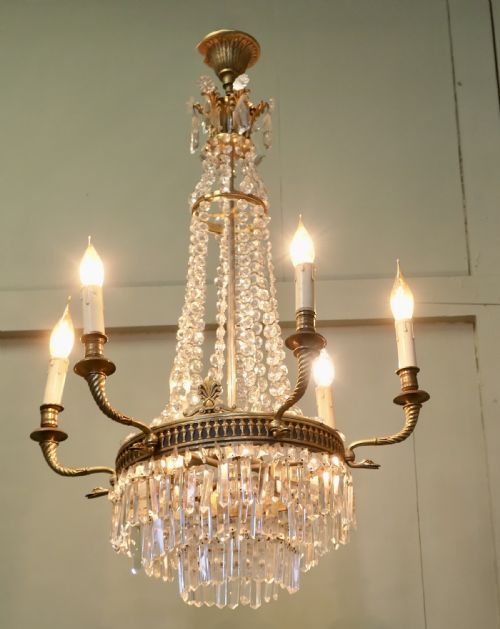
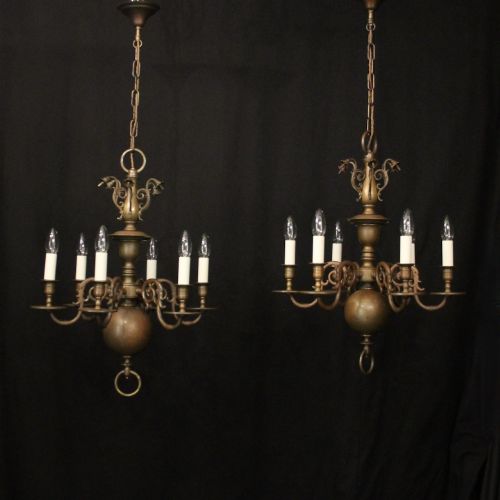
The dominant forms on this page include elaborate birdcage frames, tent and waterfall profiles, and simpler brass or bronze multi-armed configurations. Most pieces originate from the decades between eighteen-eighty and nineteen-thirty, reflecting Victorian, Edwardian, and Art Deco design sensibilities.
Materials and construction methods
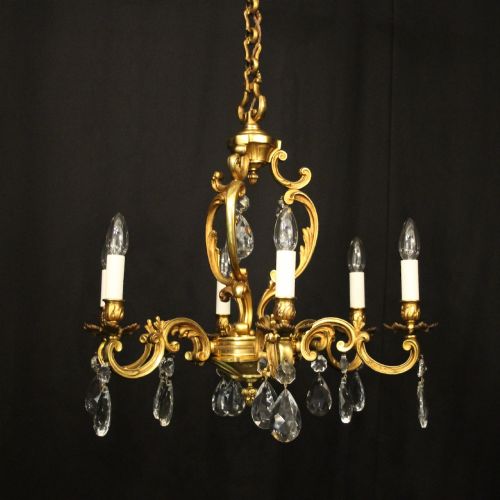
The foundation of these pieces relies heavily on cast and spun metals, principally brass, bronze, and gilt metal, which provide the structural strength required to support six branching arms. Artisans frequently applied heavy gilding, silver plating, or dark patination to the metal surfaces to achieve specific decorative effects.
Listings span from eighteen-eighty to nineteen-thirty, demonstrating materials such as gilt bronze, amethyst crystal, and wrought iron across French, Italian, and English origins.
Evaluating craftsmanship and execution
The standard of an antique six light fixture is determined by the crispness of the metal casting and the depth of the chasing on bronze or brass components. Finer examples display sharp, hand-finished detailing on floral or classical motifs rather than soft, mass-produced contours.
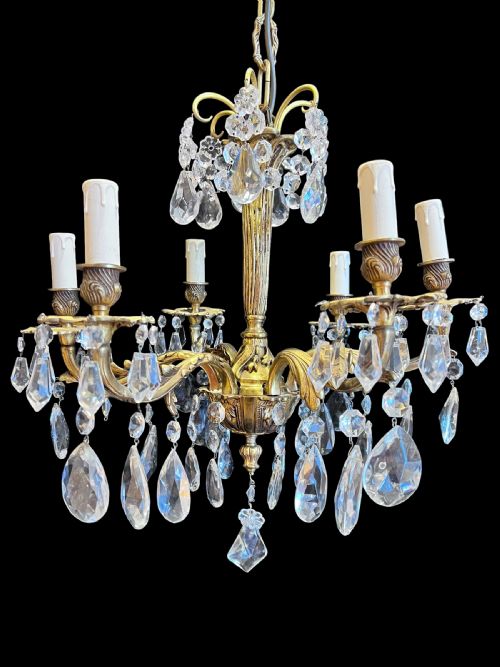
Quality also rests on the integrity of the crystal elements and the structural rigidity of the frame junctions. Superior pieces use hand-cut glass drops that retain sharp facets, and the arms align with strict symmetry around the central axis.
The Antique Six Light Fixture Glossary
- Birdcage chandelier
- A central metal framework resembling a birdcage, often draped with crystal strands and drops. This style concentrates illumination through tiered rings of pendants.
- Tent and waterfall
- A chandelier style featuring a conical upper tent of crystals cascading down into a wider waterfall skirt surrounding the arms. It maximises light refraction across a broad space.
- Gilt bronze
- Bronze metal treated with a thin layer of gold or gold-coloured alloy to create a durable, luminous surface. It resists tarnishing while offering a rich metallic sheen.
- Gesso
- A plaster-based material applied to wood frames and carved or moulded before gilding. It provides a smooth base for intricate surface decoration on period pieces.
Antique Six Light Fixture: Frequently Asked Questions
How do I hang a heavy antique chandelier?
Suspension requires securing the fixture directly into a ceiling joist or structural noggin using a rated metal hook and appropriate fixings. The weight of cast bronze and crystal demands professional weight-bearing assessment before installation.
Electrical wiring must also be inspected and updated to meet current safety standards while preserving the original internal routing where possible.
What is the difference between brass and bronze fixtures?
Bronze is an alloy of copper and tin that yields a heavier, denser structure capable of holding deep, sharp chased details. Brass is an alloy of copper and zinc that tends to have a brighter yellow tone and was commonly used for simpler or later nineteenth-century frames.
Both materials develop distinct patinas over time, though bronze generally commands higher regard for its traditional use in high-end French and English foundry work.
Can I use modern LED bulbs in these fixtures?
Modern LED candles or small bulbs fit standard lamp holders provided the voltage and physical dimensions match the sockets. Choosing a warm colour temperature helps maintain the historic atmosphere of the lit crystals and metalwork.
Care should be taken not to exceed the original wattage limits stamped or tested on the fixture to protect vintage wiring.
How do I clean crystal drops safely?
Crystal pendants should be washed by hand using lukewarm water and a mild, non-abrasive detergent while still attached to the frame, or removed individually for thorough cleaning. Drying them with a lint-free cloth restores maximum brilliance to the cut facets.
Harsh chemical cleaners must be avoided to prevent damage to the surrounding metal gilding or patination.