

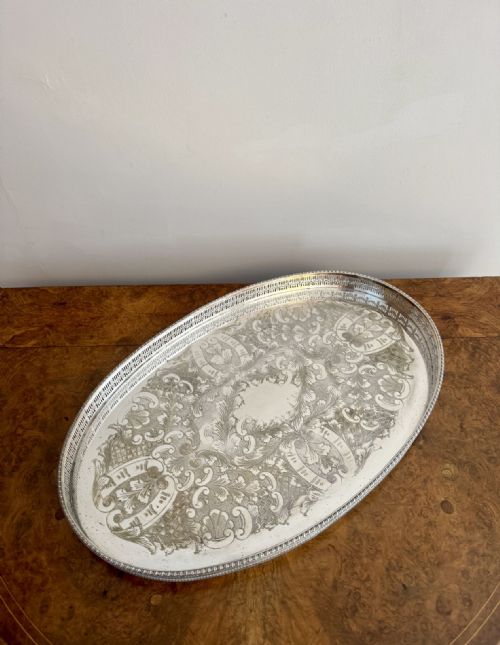
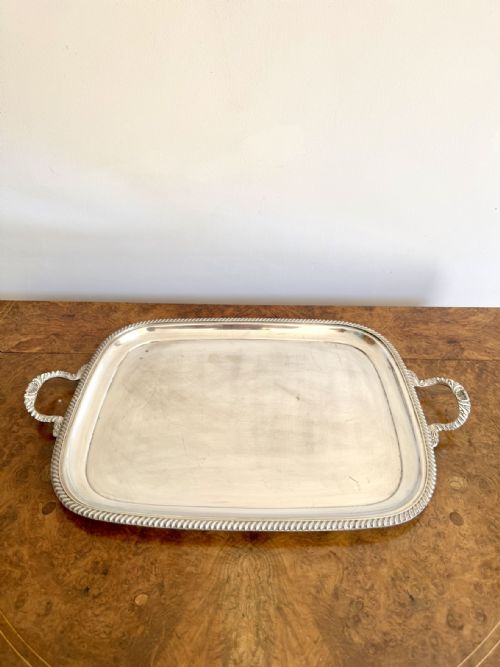


Antique Silverplated Platter
These antique silverplated platter pieces bring solid weight and bright reflection to a table, offering durable service without the pure metal price.
Antique Silverplated Platter
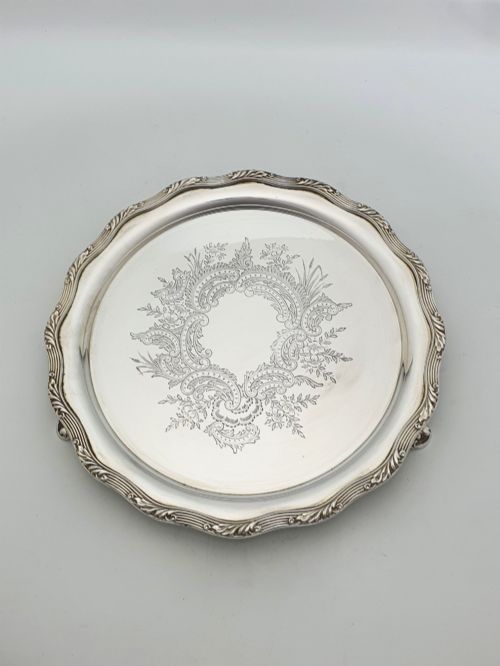
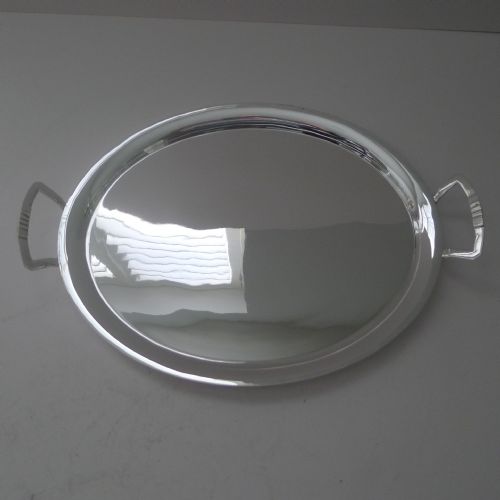
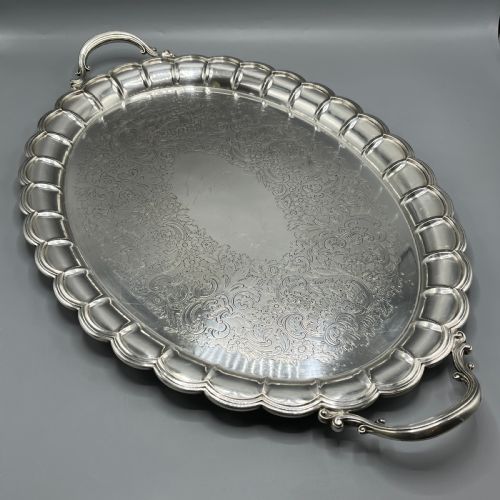
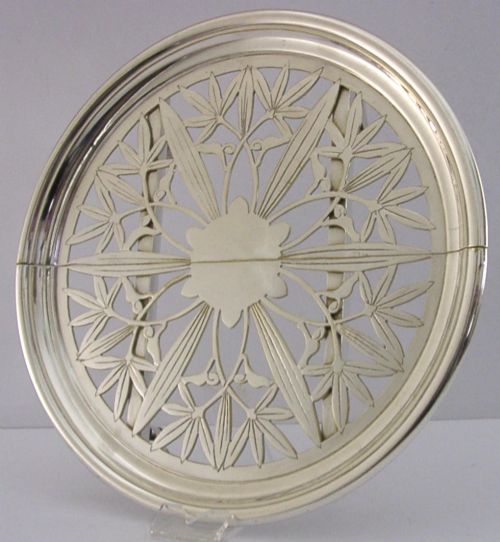
An antique silverplated platter serves as a grand table centrepiece, designed for presenting meats, asparagus, or large courses with considerable presence. When searching for an antique silverplated platter, buyers encounter varied forms spanning serving trays, salvers, meat domes, and extending dish stands.
The examples gathered here stretch from the late nineteenth century through the Edwardian era and into the 1920s Art Deco period. Most pieces date from the Victorian and Edwardian years, reflecting British and French manufacturing from workshops such as Mappin and Webb and Christofle.
Forms range from simple circular salvers to specialised serving dishes and expansive trays. Buyers find both plain utility pieces and decorative items featuring period styling that echoes earlier Georgian tastes.
How they were made
Maker workshops built these items upon a base metal or electroplated nickel silver core, often abbreviated as EPNS. This foundation provided the necessary structural rigidity and weight for large serving vessels.
Manufacturers then applied a silver plate layer over the base metal using electroplating techniques developed during the nineteenth century. This method deposited a smooth coating of silver across shaped trays, domes, and stands.
Antique Silverplated Platter Retail Price Guide 2026
Typical asking prices for silverplated platter among the pieces listed under this phrase on Sellingantiques today, from the lower quarter to the upper quarter. They describe what is for sale here now, not the wider market.
Some items include dedicated asparagus dishes, proving that strict culinary specialisation existed long before modern kitchen gadgets.
What varies in quality
Quality rests upon the thickness of the applied silver and the integrity of the underlying base metal. Pieces originating from recognised makers like Mappin and Webb or Christofle display superior weight, balanced proportions, and crisp detailing.
Design execution also separates standard utility items from finer works. Superior examples exhibit well-defined handles, sturdy feet, and harmonious stylistic restraint rather than heavy, clumsy ornamentation.
Mappin and Webb·Christofle·Fenton Russel
The Antique Silverplated Platter Glossary
- Silver Plate
- A thin layer of silver bonded to a base metal core. This process allowed makers to produce items with the appearance of solid silver at a lower cost.
- EPNS
- Electroplated Nickel Silver. A common metal alloy base used beneath the silver coating on nineteenth and twentieth century wares.
- Salver
- A flat serving tray, usually with raised edges or supported on feet. These were traditionally used for presenting drinks or letters.
- Meat Dome
- A large, domed cover designed to keep roasted joints warm upon the table. They frequently feature an insulated handle at the top.
- Art Deco
- A design style prominent in the 1920s characterised by clean geometric lines and stylised motifs. It succeeded the floral curves of the Edwardian period.
Antique Silverplated Platter: Frequently Asked Questions
What is a silverplated platter used for?
These items served functional roles in domestic dining, carrying roasted meats, vegetables, or tea services from the kitchen to the formal table.
They also functioned as decorative display pieces on sideboards when not in active use during meals.
How do I clean an antique silverplated platter?
Gentle washing with warm water and mild soap removes daily dust and grease without harming the surface metal.
Specialist silver creams should be used sparingly to maintain the shine without wearing through the thin plated layer.
How can I date my silverplated platter?
Dating relies upon stylistic clues such as edge decoration, maker marks stamped into the base, and the overall form.
Victorian pieces tend to show heavier ornamentation, whereas 1920s Art Deco examples favour geometric simplicity.
What does EPNS mean on a platter?
EPNS stands for electroplated nickel silver, indicating the underlying metal used before the silver coating was applied.
This abbreviation appears frequently on pieces produced from the late nineteenth century onwards.