

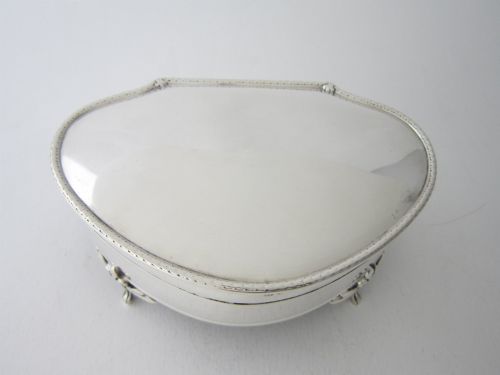
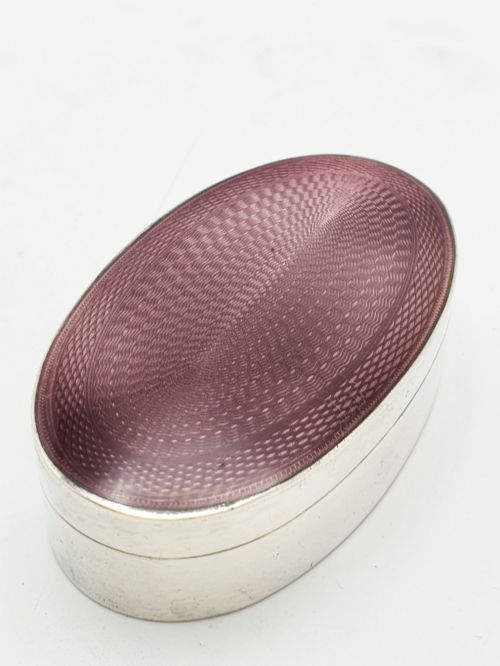
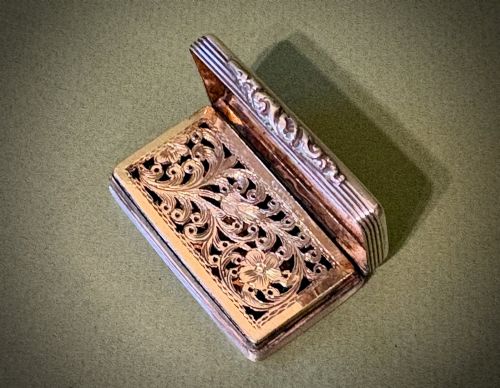
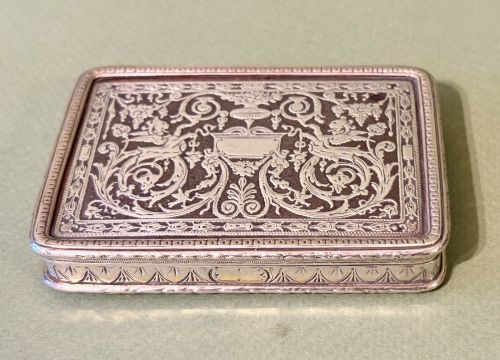
Antique Silvered Trinket Box
An antique silvered trinket box stores small valuables on a dressing table while bringing decades of metalwork history into daily reach.
Antique Silvered Trinket Box
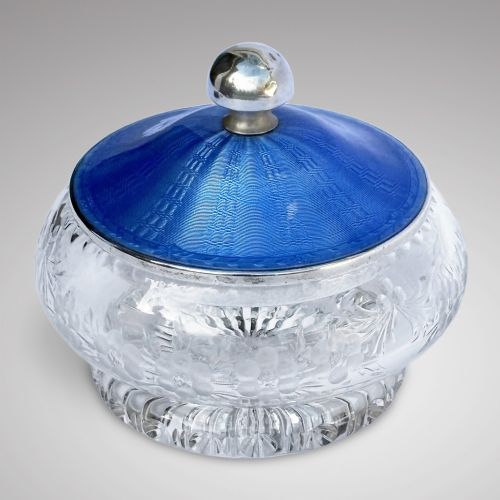
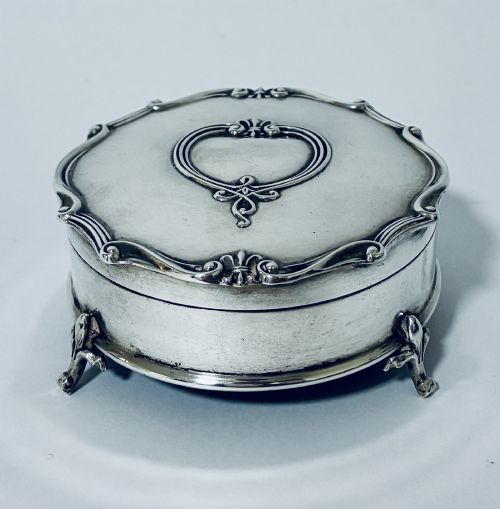
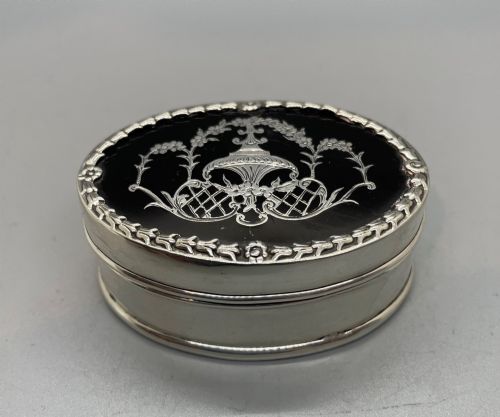
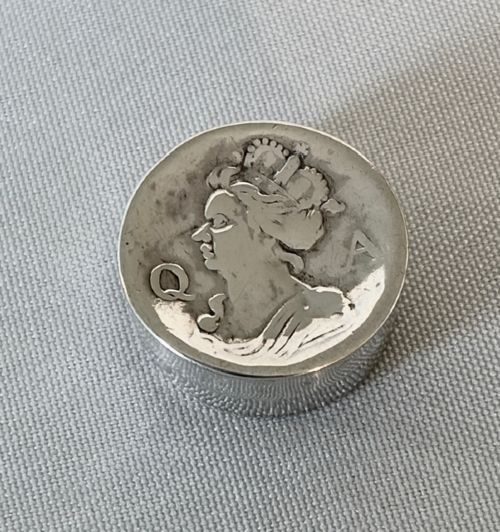
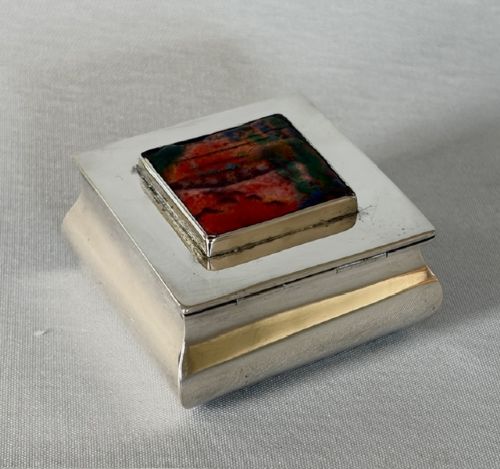
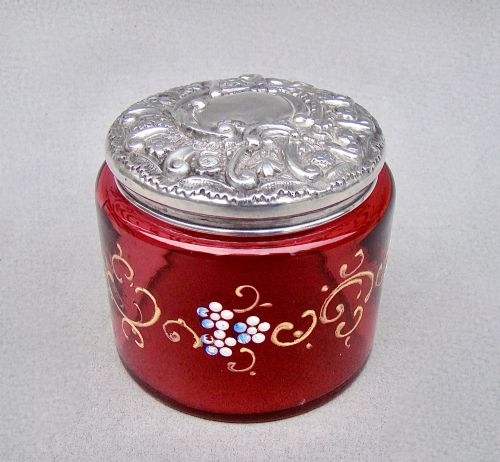
The versions most frequently met on this page date from the late Victorian and Edwardian eras through to the 1930s, alongside earlier Georgian and Victorian examples. Many incorporate materials such as cut glass, enamel, tortoiseshell, or semi-precious stones alongside the silver or silver-plated structure.
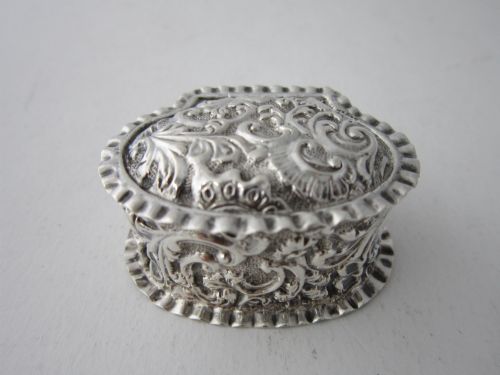
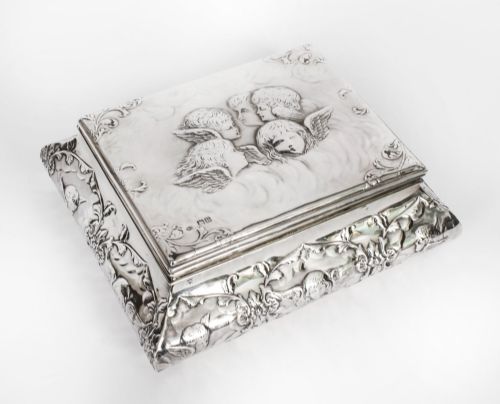
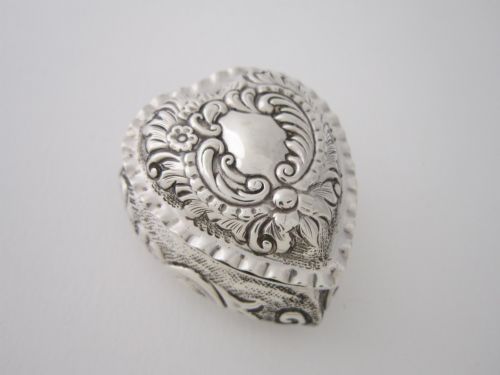
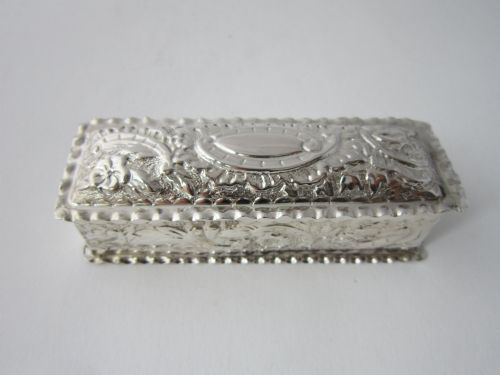
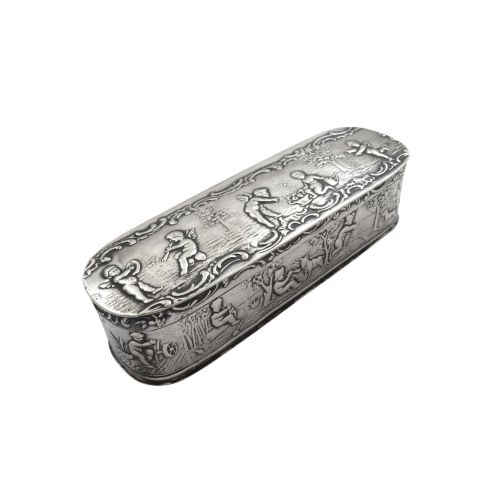
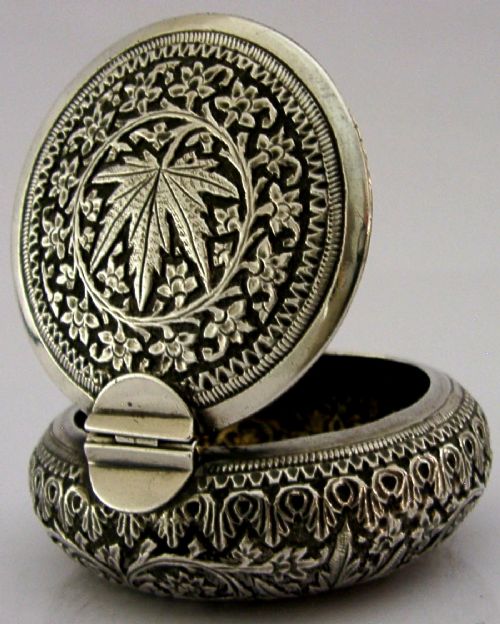
Makers shaped these containers for personal use, dressing table display, or pocket carriage, leaving a legacy of detailed repoussé work, engine turning, and bright-cut engraving. Buyers encounter items ranging from plain silver receptacles to elaborately decorated caskets depicting figures, cherubs, and landscapes.
Materials and technique
Silversmiths utilised sterling silver, solid silver, and silver plate over base metals, shaping the bodies through pressing, casting, or hammering. Many items combine these metallic structures with cut glass bodies, Connemara marble, Scottish agate, or tortoiseshell panels.
Decoration relied on skilled hand techniques such as engine turning, bright-cut engraving, and relief work depicting cherubs, figures, or animals. Enamelling, including guilloché patterns and painted plaques, added colour and contrast to the metallic lids and surfaces.
Antique Silvered Trinket Box Retail Price Guide 2026
Typical asking prices for silvered trinket box among the pieces listed under this phrase on Sellingantiques today, from the lower quarter to the upper quarter. They describe what is for sale here now, not the wider market.
Several small boxes feature tiny interior compartments originally intended to hold secret notes or aromatic sponges.
What varies in quality
Quality rests upon the weight of the metal, the crispness of the chased or engraved relief work, and the integrity of any incorporated enamel or glass. Heavier gauges of silver and intricate hand-tooled details separate standard production items from finer workshop pieces.
The precision of the hinges, the snugness of the lid closure, and the condition of interior linings such as velvet or silk indicate the level of craftsmanship invested in the original construction.
Joseph Willmore·Nathaniel Mills·Henry Matthews·Georg Jensen·Mappin and Webb
The Antique Silvered Trinket Box Glossary
- Guilloché enamel
- Enamel applied over a metal surface that has been machine-turned with an intricate geometric pattern. This technique creates a shimmering, light-reflecting background beneath translucent coloured glass.
- Vinaigrette
- A small ornamental box featuring an internal pierced grille, designed to hold a sponge soaked in aromatic vinegar. Victorians carried these to mask unpleasant odours in public spaces.
- Repoussé
- A metalworking technique where the artisan hammers the design from the reverse side to form a raised relief on the front. This method creates tactile figures, scrolls, and floral motifs.
- Bright-cut engraving
- A surface decoration technique using faceted angled cuts to catch the light from multiple directions. Goldsmiths used this to produce sparkling geometric and botanical borders on snuff boxes.
- Silver gilt
- Silver that has been coated with a thin layer of gold on its surface, also known as vermeil. This treatment gives the interior or exterior a rich golden warmth while retaining a silver base.
Antique Silvered Trinket Box: Frequently Asked Questions
How were antique snuff boxes used?
Owners carried these small containers in pockets or waistcoats to hold dry powdered tobacco, which was taken by pinch throughout the day.
They were designed with tight-fitting lids to keep the contents dry and aromatic until required.
How do I clean an antique silver box?
Maintenance requires a soft microfiber cloth and mild silver polish applied gently to avoid wearing down engraved details. Enamelled or glass sections should be kept away from harsh liquid dips to protect the surrounding mounts.
Regular light dusting preserves the natural metal lustre without stripping historical patination.
Can I store jewellery inside these boxes?
Many of these containers were made specifically for rings, pins, and small trinkets, often featuring fitted velvet or silk interiors. They protect delicate pieces from dust and surface scratching on dressing tables.
Care should be taken with older linings to ensure delicate fabrics do not snag on modern ring mounts.