



Antique Silvered Table Chime
An antique silvered table chime brings rhythmic presence into a room, spanning compact desk clocks and resonant dinner gongs.
Antique Silvered Table Chime
The selections span distinct periods, notably featuring Victorian and Georgian designs alongside Edwardian, Art Nouveau, and 1930s variations. Materials such as silvered brass, silver plate, and silvered metal define the dials and gongs across these diverse object types.
Materials and construction methods
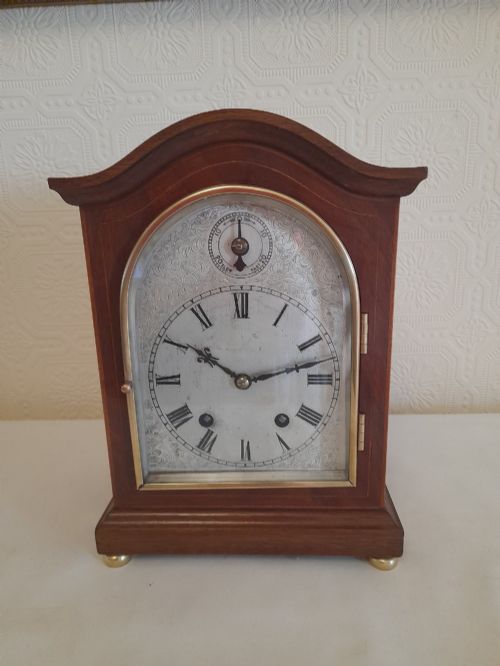
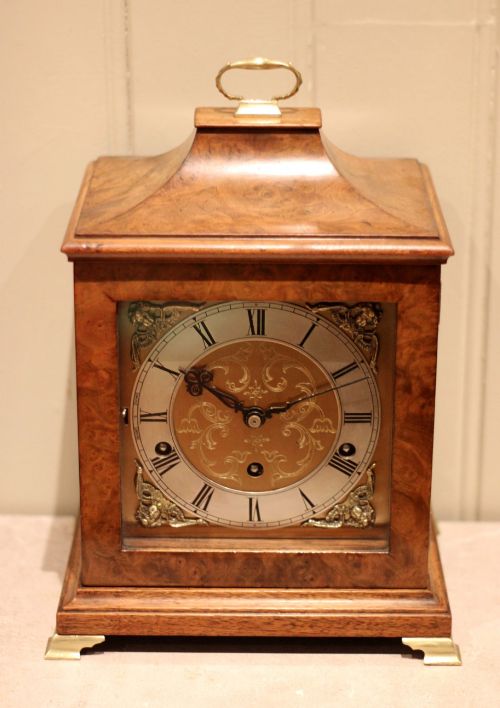
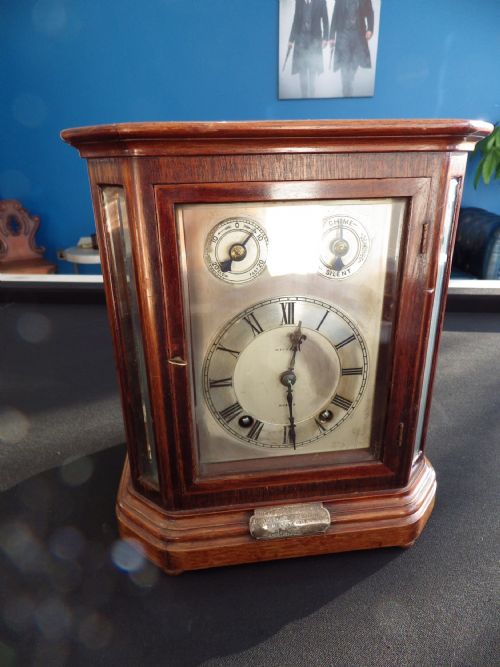
Cases combine robust hardwoods including mahogany, oak, burr walnut, rosewood, and ebonised wood with glass side panels and brass mountings. Interior mechanisms rely on intricate brass gear trains designed for striking and chiming functions.
Dials and acoustic elements incorporate silvered metal, silvered brass, or silver plate. These metallic surfaces often feature engraved or etched numerals to articulate the time or decorative motif.
Antique Silvered Table Chime Retail Price Guide 2026
Typical asking prices for silvered table chime among the pieces listed under this phrase on Sellingantiques today, from the lower quarter to the upper quarter. They describe what is for sale here now, not the wider market.
The listings demonstrate a strong representation of late nineteenth-century German bracket clocks alongside Georgian examples.
Distinguishing quality in craftsmanship
The refinement of the case timber and the precision of the brass movement separate standard pieces from exceptional examples. Finely figured burr walnut, carved oak, or rosewood housing sophisticated twin fusee or quarter-repeating movements indicate superior construction.
The clarity of the silvered dial and the acoustic resonance of the gong or chime rod determine the overall merit of the piece. Well-preserved engraving on the dial and robust mechanical execution reflect higher standards of workshop production.
Mappin & Webb·Winterhalder & Hofmeier·Lenzkirch·William Smith London·Percy Webster·John Ellicott·Richard Peckover·L.Donne Birchin Lane
The Antique Silvered Table Chime Glossary
- Bracket clock
- A portable household clock originally designed to sit on a wall bracket or table. These spring-driven pieces often feature complex striking mechanisms.
- Ting tang
- A clock movement utilising two bells or gongs to sound the quarters or half hours with two distinct tones. This mechanism appears frequently in German bracket clocks from the late nineteenth century.
- Twin fusee
- A mechanical system employing two conical pulleys and chains to equalize the pull of the mainspring as it unwinds. This device maintains steady force to improve timekeeping accuracy.
- Quarter repeating
- A complication that sounds the hours and elapsed quarters on demand when a cord or lever is activated. This mechanism allowed owners to check the time in darkness.
Antique Silvered Table Chime: Frequently Asked Questions
How do these table chimes work?
These pieces operate using spring-driven brass gear trains that power both the timekeeping hands and the acoustic striking mechanisms. Winding keys tension the mainsprings within the timber cases.
As the movement runs, levers release hammers that strike bells, gongs, or tuned rods on the hour or quarters. Some variations utilise fusee cones to regulate the power delivery for consistent operation.
Where were these placed at home?
Owners historically positioned these items on prominent mantelpieces, desks, or dedicated wall brackets within principal reception rooms. Their dual role as timekeepers and decorative objects suited social spaces.
Larger gongs served an acoustic purpose in hallways or dining rooms to summon occupants or announce meals. Smaller bracket clocks sat securely on stable wooden surfaces.
How do I care for the movement?
Maintaining a stable indoor environment away from direct heat sources and dampness protects the delicate internal brass components and timber housing. Regular professional servicing ensures the gear trains remain lubricated.
Wind the springs gently without over-tightening to preserve the tension of the original mechanisms. Avoid moving the clock with the pendulum or heavy weights engaged if applicable.
How do I distinguish Victorian from Georgian pieces?
Georgian examples often display classic architectural proportions, break-arch brass dials, and fusee movements associated with traditional London workshops. The woodwork prioritises restrained elegance.
Victorian and later pieces introduce heavier carvings, diverse revival styles, and mass-produced German movements from makers like Winterhalder and Hofmeier. Oak, walnut, and ebonised finishes become more prevalent in these later decades.