




Antique Silver Work
Antique silver work comprises items formed from sterling silver and mixed metals across periods from the Victorian era to the 1930s, offering fine decorative detail for a mantel or dressing table.
Antique Silver Work
Antique silver work covers a diverse range of objects from dressing table boxes and trinket boxes to brooches, baskets, and clocks, representing centuries of metalworking skill. Pieces span from Victorian and Edwardian items to George V designs and earlier styles, often incorporating tortoiseshell, enamel, or glass.
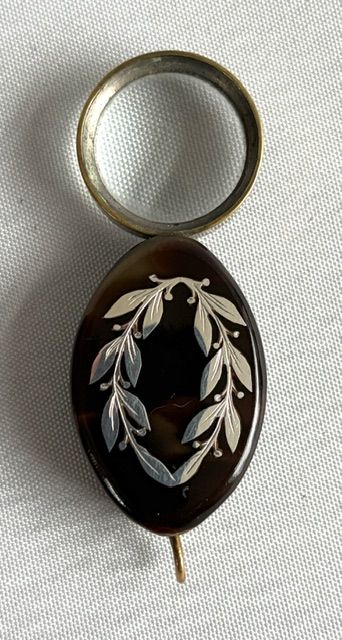
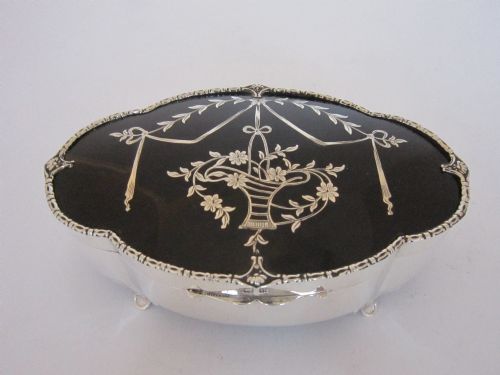
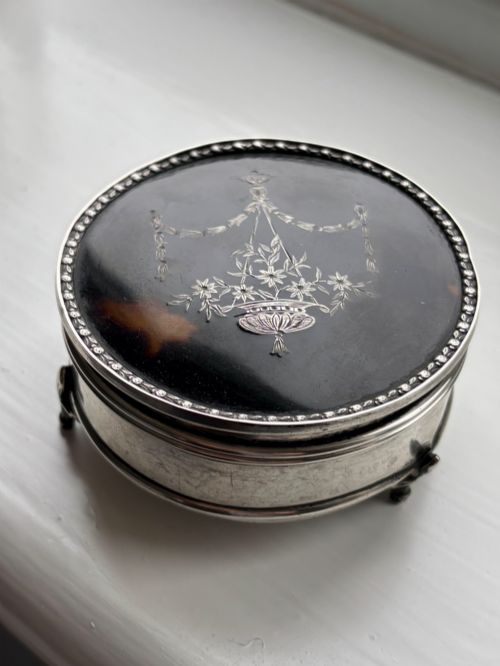
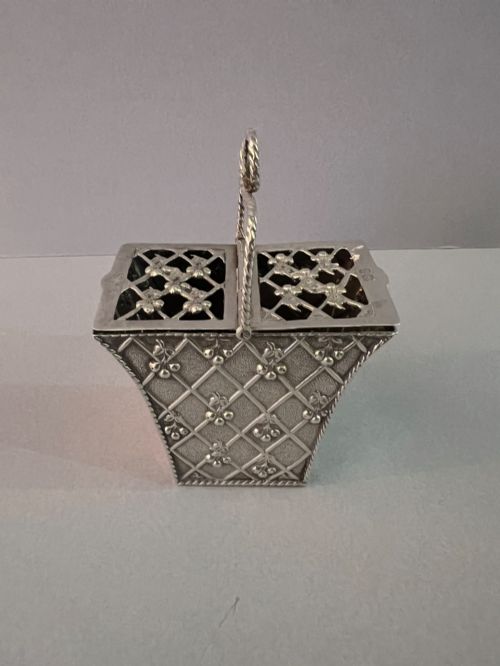
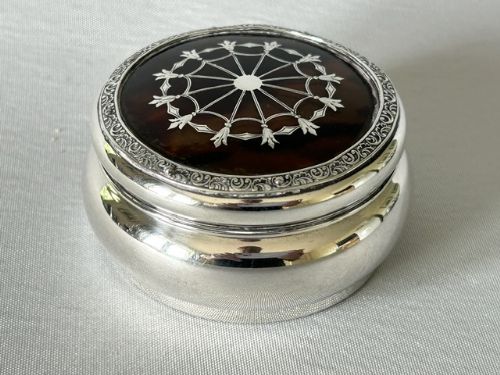
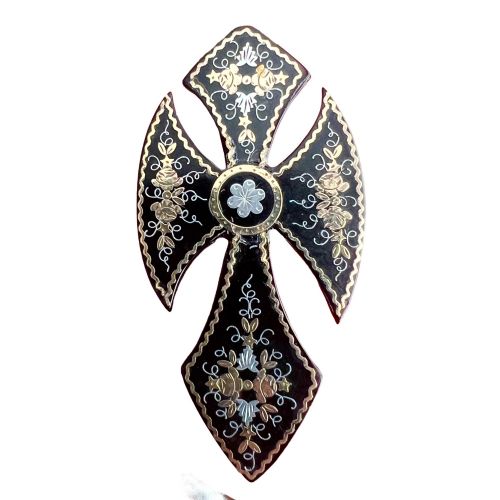
The version most commonly met on this page is the smaller decorative accessory, such as a George V sterling silver and tortoiseshell trinket box or a pierced-work basket, alongside personal ornaments like pique work brooches. These items highlight domestic utility and adornment from the nineteenth and early twentieth centuries.
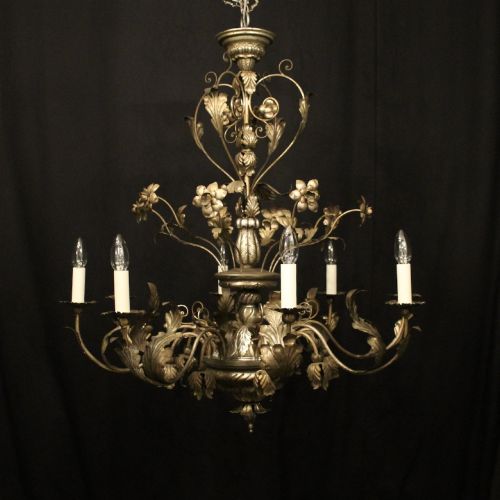
Larger decorative pieces also appear among the selections, including candelabra, chandeliers, and table lamps that demonstrate substantial metal manipulation. Makers and workshops from Britain, France, and further afield contributed to this varied inventory.
Materials and construction methods
Makers utilised sterling silver and silver alongside supportive structural materials like brass, steel, and bronze, frequently combining them with organic elements such as tortoiseshell and mother-of-pearl. Enamel work and gold inlay provided colour and contrast on surfaces ranging from small boxes to pocket watches and firearms.
Intricate piercing, silver inlay, and pique work form the backbone of the decorative techniques observed in these pieces. Artisans employed hand-wrought shaping, casting, and delicate metal thread brocade to achieve complex surface patterns.
Internal clockwork mechanisms, fusee movements, and complex wheel work demonstrate mechanical proficiency alongside exterior smithing. Structural assembly relies on traditional joining methods suited to each specific object type.
Antique Silver Work Retail Price Guide 2026
Typical asking prices for silver work among the pieces listed under this phrase on Sellingantiques today, from the lower quarter to the upper quarter. They describe what is for sale here now, not the wider market.
Listings feature items from the Victorian, Edwardian, and George V periods, incorporating sterling silver, tortoiseshell, and enamel.
Distinctions in craftsmanship and execution
Quality separates objects by the precision of their piercing and inlay work, where crisp, uniform cutouts and flush metallic inlays signify superior workshop standards. Hand-wrought forms show the individual touch of the maker through balanced proportions and clean lines.
The integration of secondary materials dictates the standard of execution, particularly in how smoothly tortoiseshell, enamel, or glass fits alongside the primary silver structure. Superior pieces maintain crisp detail across all decorative motifs without blurring or soft edges.
Ollivant & Botsford·Asprey & Co.·Veritas Lamp Works·William Comyns London·James Dixon & Sons Ltd·Robert Edgar Stone
The Antique Silver Work Glossary
- Pique work
- A method of decorating tortoiseshell or ivory by inlaying tiny points or strips of gold and silver to form delicate patterns.
- Pierced work
- A technique where metal is pierced and cut through to create openwork designs and decorative lattice patterns.
- Sterling silver
- An alloy consisting of silver and other metals, usually copper, standardised for strength and durability in silverware.
- Porringer
- A small bowl with one or two horizontal flat handles, historically used for porridges, liquids, or as a decorative basin.
- Fusee
- A conical pulley used in clockwork to maintain equal driving power as the mainspring unwinds.
Antique Silver Work: Frequently Asked Questions
What is antique silver work?
Antique silver work encompasses decorative objects, accessories, and personal ornaments fashioned from silver and mixed metals during the Victorian, Edwardian, and George V periods.
These items range from small trinket boxes and dressing table pieces to larger candelabra and clocks, showcasing traditional metalcraft techniques.
How do I care for silver and tortoiseshell?
Silver and tortoiseshell items require gentle cleaning with soft, dry cloths to remove dust without abrasive polishes that could damage delicate inlay work.
Keep these pieces away from direct sunlight, extreme humidity, and chemical sprays to preserve the organic shell and the lustre of the metal.
What is pique work?
Pique work is a decorative technique involving the precise inlay of tiny gold or silver pins and strips into a tortoiseshell base.
Artisans arranged these metal points by hand to create intricate geometric, floral, or figurative patterns across boxes and brooches.
How are different periods identified?
Periods are identified through a combination of stylistic cues, manufacturing techniques, and official hallmarks stamped directly onto the silver components.
Victorian and Edwardian pieces often display distinct design motifs that reflect the prevailing aesthetic trends of their respective decades.