


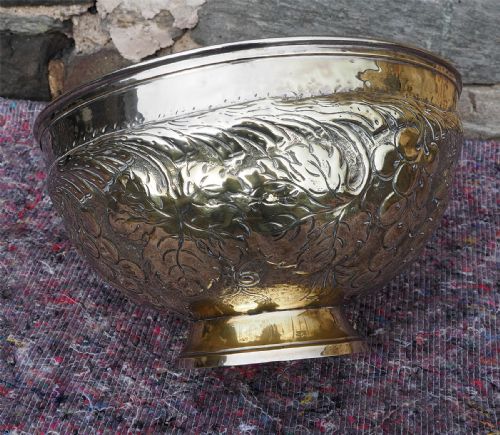

Antique Silver Wine Pedestal
An antique silver wine pedestal is a commanding vessel for cooling or presenting bottles, bringing genuine dining heritage to the table.
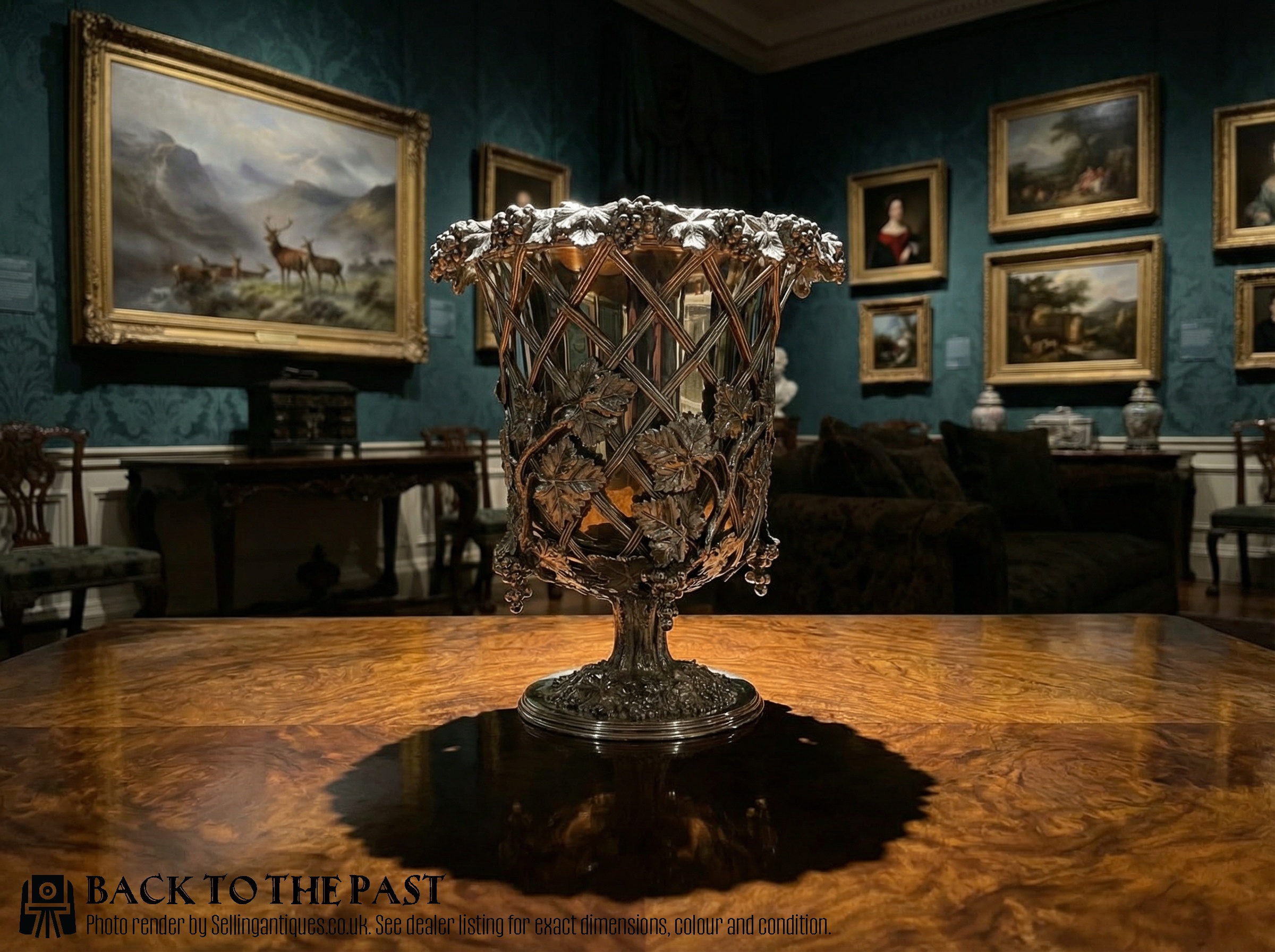
Antique Silver Wine Pedestal
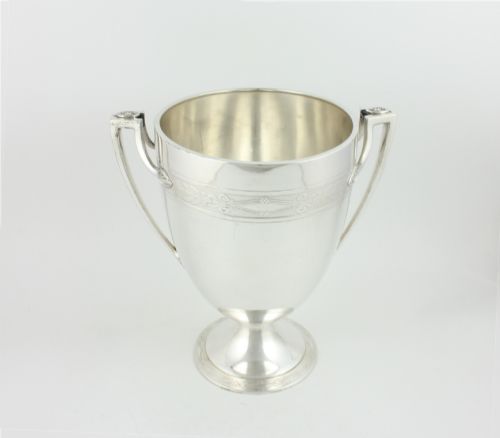
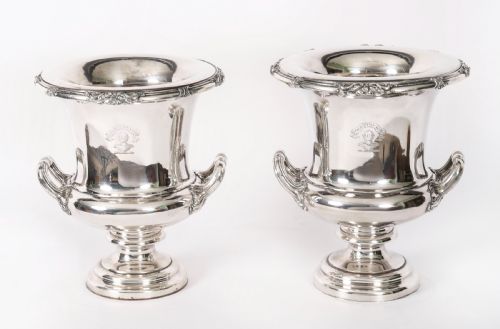
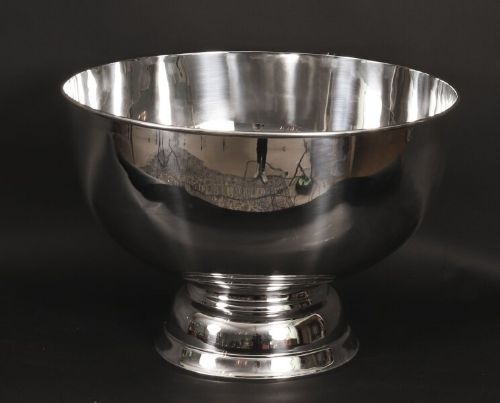
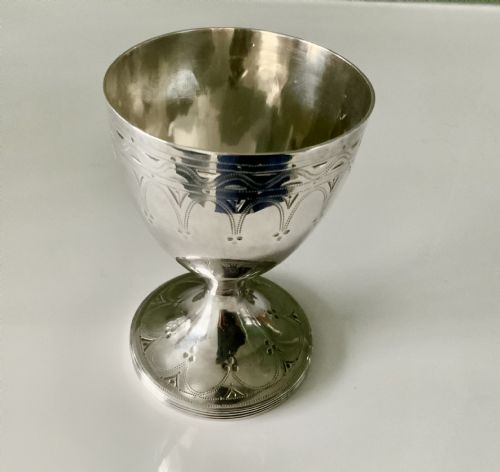
When you search for an antique silver wine pedestal, you encounter grand cooling vessels, punch bowls, and presentation pieces designed to hold wine, champagne, or ice. The forms span robust Georgian coolers, Victorian silver plate examples, and sleek Art Deco designs.
You are most likely to meet silver-plated and sterling silver coolers originating from the eighteenth, nineteenth, and twentieth centuries. These pieces frequently manifest as wine coolers, ice buckets, and centerpiece bowls, echoing formal dining traditions.
How they were made
Makers utilised sterling silver and silver plate over copper, such as Old Sheffield plate, alongside supplementary materials like brass, pewter, copper, and mahogany. These metals were shaped into heavy vessels through casting, hammering, and plating techniques.
Craftsmen applied decorative styles including Victorian, Georgian, Art Deco, and Italian Neoclassical ornamentation directly to the body. Handles, rims, and pedestals were often cast separately and soldered or riveted to the main vessel.
Listings feature items from the Georgian, Victorian, and Edwardian eras alongside 1930s Art Deco designs.
What varies in quality
The distinction between standard production and exceptional work rests on the thickness of the silver or plating over the base metal and the crispness of the chased or engraved ornament. Superior pieces display substantial weight and deeply articulated details without thinning at the stress points.
Makers' marks and hallmarks provide a reliable measure of pedigree, distinguishing recognised workshops from anonymous output. The integrity of construction, particularly where handles and pedestals join the main body, determines the structural caliber of the vessel.
Christofle·Mappin & Webb·Barker Ellis·Alexander Clarke & Co·John Scofield
The Antique Silver Wine Pedestal Glossary
- Old Sheffield Plate
- A composite material made by fusing a thin sheet of silver to a thicker copper ingot, common in eighteenth and nineteenth-century production. This technique produces a characteristic warm glow where the copper occasionally shows through high points.
- Monteith Bowl
- A large punch bowl featuring a scalloped or notched rim designed to hold wine glasses by their bases while chilling. The removable rim allows the bowl to serve multiple functions on the dining table.
- Silver Plate
- A layer of silver applied to a base metal such as copper, brass, or nickel silver. This process provided the visual splendour of solid silver at a more accessible cost for larger dining vessels.
- Sterling Silver
- An alloy consisting of silver and other metals, usually copper, standardised for purity in British silver manufacture. Pieces made from this material carry distinct hallmarked stamps indicating the assay office and maker.
Antique Silver Wine Pedestal: Frequently Asked Questions
What is a wine pedestal used for?
These pieces were originally designed to chill wine bottles, hold ice, or present punch during formal dining occasions. They functioned as both practical serving vessels and decorative centerpieces on the dining table.
Over time, their roles expanded to include display pieces and decorative urns within reception rooms. Their substantial forms made them natural focal points for entertaining.
How do I clean antique silver?
Cleaning requires a specialised silver cloth or mild, non-abrasive silver polish applied gently to preserve the underlying metal or plating. Harsh chemical dips should be avoided, particularly on plated items where the silver layer can be thin.
Regular dusting with a soft cloth prevents tarnish build-up without removing the delicate patination accumulated over decades. Proper storage in dry conditions further maintains the surface finish.
How do I identify Georgian pieces?
Georgian items generally exhibit the distinct stylistic markers of the eighteenth and early nineteenth centuries, including bright-cut engraving and neoclassical forms. Examining the piece for official town marks, date letters, and maker stamps helps confirm the period.
Old Sheffield plate methods and specific handle designs also point toward eighteenth-century production dates. Comparing the weight and construction style against authenticated examples clarifies the timeline.
Are these pieces safe for ice?
Solid silver and thick silver-plated vessels tolerate ice without structural harm, provided they are dried thoroughly after use. Moisture left sitting against the interior surface can accelerate tarnishing or spotting.
Lined interiors or double-walled designs, common in later champagne buckets, protect the outer metal from direct condensation. Modern use typically involves standard care to preserve the historical metalwork.