





Antique Silver Wares
Antique silver wares encompass domestic service pieces and decorative vessels crafted across Victorian, Edwardian, and Georgian eras.
Antique Silver Wares
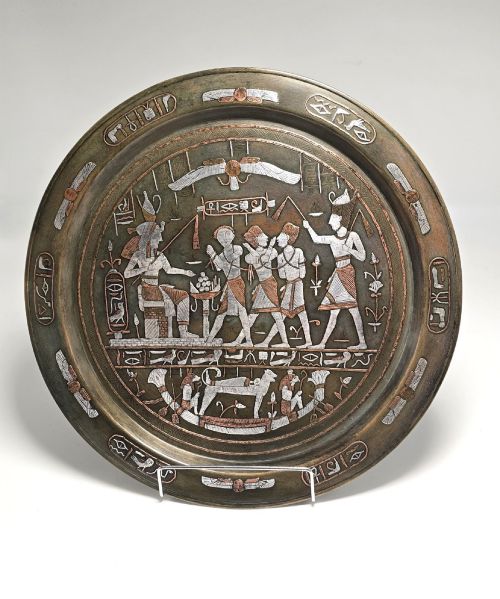
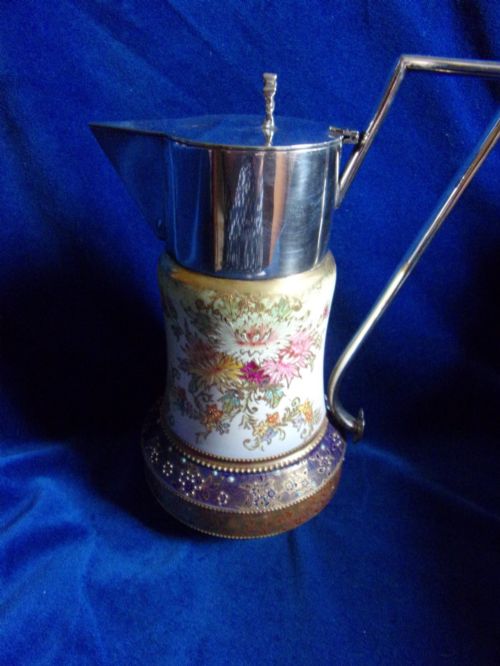
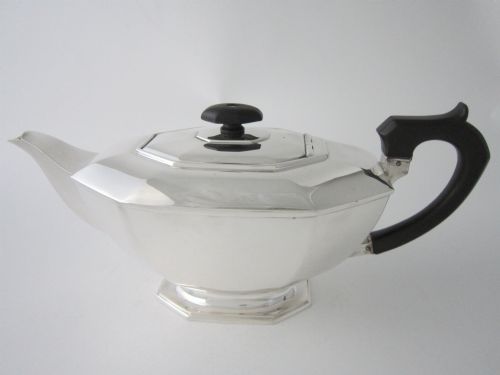
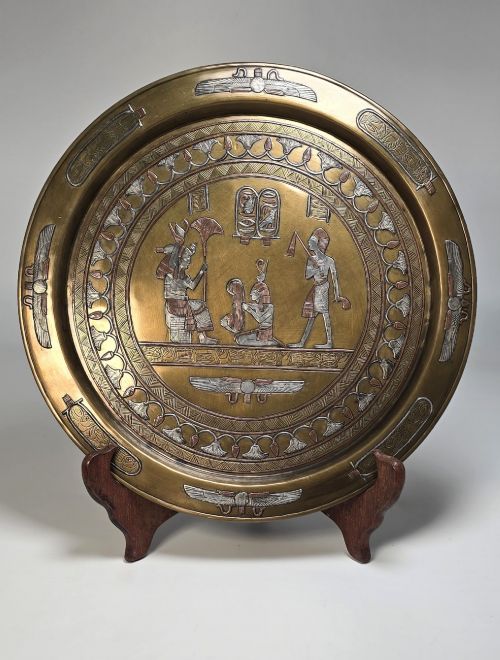
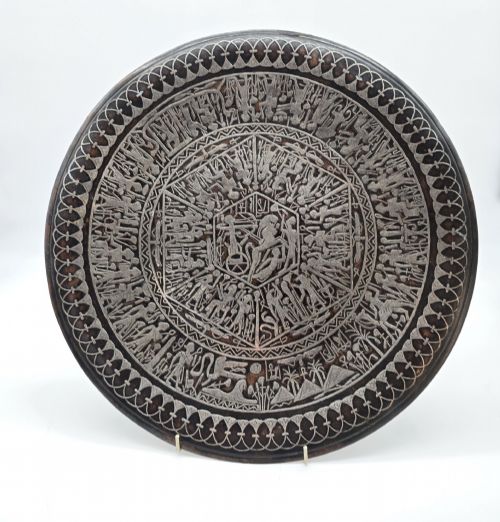
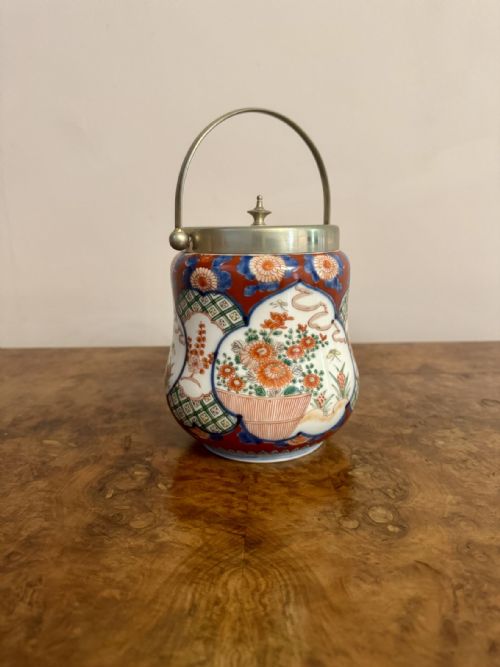
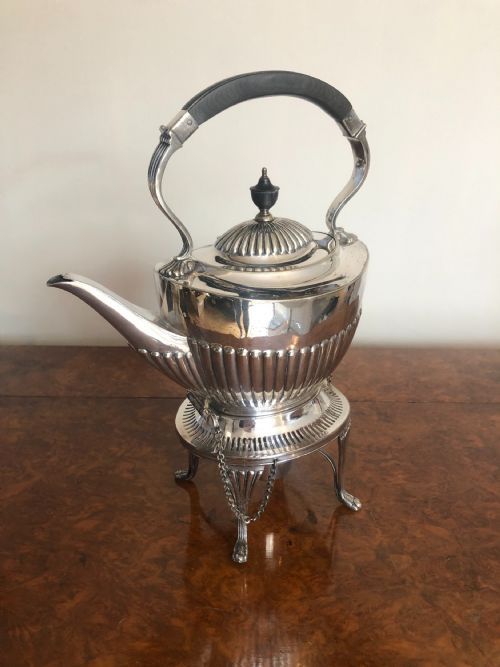
Antique silver wares comprise a diverse collection of domestic service vessels, tea wares, and decorative chargers spanning multiple centuries. When exploring antique silver wares, buyers encounter functional items such as spirit kettles, biscuit barrels, claret jugs, and entree dishes alongside inlaid brass and copper wall chargers.
The selection ranges from Georgian provincial items and Victorian electroplate to Edwardian tea services and specialised Egyptian Cairo Ware pieces. Such objects reflect both domestic utility and international aesthetic revivals including Egyptian Revival and Islamic metalwork.
Most items on this page originate from the nineteenth and early twentieth centuries, capturing shifts in dining customs and decorative arts. These pieces serve both as historical table accessories and as substantial decorative objects for modern interiors.
How they were made
Makers utilised solid sterling silver, silver plate, Old Sheffield plate, and base metals such as copper and brass. Many decorative chargers feature intricate silver and copper inlay techniques upon dark patinated surfaces.
Functional items like spirit kettles and teapots often incorporate contrasting elements including wooden handles made from ebony. Other pieces combine ceramics, such as Wedgwood Jasper Ware and Carlton Ware, with plated mounts and swing handles.
Design styles represented span Arts and Crafts, Edwardian, Victorian, Egyptian Revival, and Islamic metalwork traditions.
What varies in quality
Quality in these items rests upon the crispness of applied chasing, the integrity of metal inlay work, and the weight of the underlying metal. Finer examples display precise hand-engraving and well-balanced forms without distortion to spouts, handles, or stands.
The preservation of original plating, patination, and secondary materials like ebony or ceramic bodies also defines distinction. Pieces retaining their complete matching components, such as burners on spirit kettles or original lids, represent higher manufacturing and survival standards.
William Hutton and Sons·Waring and Gillows·Shanks
The Antique Silver Wares Glossary
- Spirit kettle
- A water kettle mounted upon a metal stand equipped with a small burner underneath. This arrangement kept water hot during tea service in drawing rooms.
- Cairo Ware
- Decorative metalwork produced in Egypt featuring intricate silver and copper inlay on brass or copper bodies. These objects often appealed to nineteenth-century Grand Tour travellers.
- Old Sheffield Plated
- An early method of fusing a thin layer of silver to a thicker copper core by heat and pressure. This technique preceded modern electroplating methods.
- Biscuit barrel
- A covered ceramic or metal container designed specifically for storing dry biscuits on the dining or drawing-room table. Victorian versions frequently paired earthenware bodies with plated mounts.
- Wall charger
- A large decorative plate or dish intended for hanging on a wall rather than serving food. These items often showcase elaborate surface patterns and metal inlay.
Antique Silver Wares: Frequently Asked Questions
What is Cairo Ware?
Cairo Ware refers to decorative brass, copper, and bronze items inlaid with silver and copper, produced in Egypt during the nineteenth and early twentieth centuries. These pieces were frequently acquired by European travellers on the Grand Tour.
They display traditional Islamic geometric and calligraphic motifs adapted for the export market. The technique creates a striking contrast between the dark patinated base metal and the bright inlaid wire.
How do I use a spirit kettle?
A spirit kettle is designed to hold hot water during a formal tea service, resting on a dedicated metal stand above a small spirit burner. The burner uses methylated spirits to keep the water warm at the table.
While many modern buyers use these pieces purely for display, the functional mechanism involves filling the kettle and adjusting the burner flame beneath it. Care should be taken to protect antique plating and surfaces from direct heat.
How are solid silver and plated items different?
Solid silver items are constructed entirely from precious metal, such as sterling silver, and bear hallmarks indicating purity and origin. Plated items use a base metal foundation, such as copper, nickel, or brass, coated with a thin layer of silver.
Old Sheffield plate relies on a fused sheet of silver and copper, whereas later plated wares use electrodeposition. Both solid and plated pieces offer distinct historical manufacturing techniques valued by collectors.
How do I display decorative chargers?
Decorative chargers and wall chargers are large metal or ceramic plates designed primarily for visual impact rather than dining use. They can be mounted securely on walls using appropriate plate hangers or displayed upright on sturdy plate stands.
Placing them in spaces with indirect lighting helps highlight the detailed surface engraving, inlay work, or painted glazes. Regular dusting with a soft cloth keeps the patination stable.
How do I care for antique metal wares?
Antique metal wares require gentle cleaning using non-abrasive cloths and appropriate polishes formulated specifically for silver, brass, or copper. Excessive polishing removes thin silver plating and historical patination over time.
Items featuring inlaid metals, wooden handles, or ceramic bodies should be kept away from excessive moisture and direct sunlight. Handling pieces with clean hands prevents skin oils from accelerating tarnish on exposed surfaces.