



Antique Silver Trowel
An antique silver trowel bridges ceremonial pageantry, domestic service, and curious novelty with diminutive grace.
Antique Silver Trowel
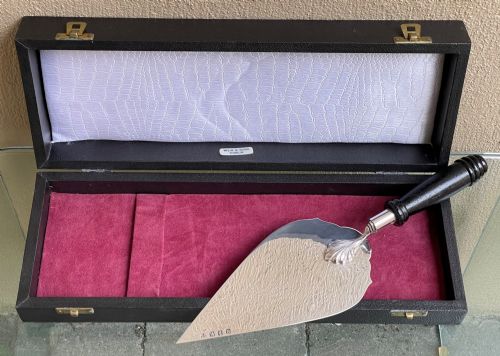
An antique silver trowel encompasses full-sized presentation pieces for laying foundation stones alongside diminutive novelty bookmarks and specialised serving implements. Buyers hunting this phrase encounter two distinct categories: large ceremonial trowels with turned wooden handles and miniature silver trowels fashioned specifically as page markers.
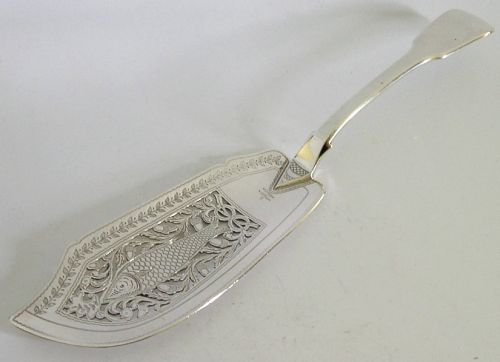
The pieces span the eighteenth, nineteenth, and twentieth centuries, originating from English, Irish, Scottish, and French workshops. Georgian fish slices occasionally adopt this triangular blade profile, while Victorian and Edwardian iterations lean heavily into novelty desk accessories.
Materials and Technique
Makers shaped these items from solid sterling silver or continental standard silver, frequently piercing or engraving the triangular blades with intricate foliate designs. Handles combine the precious metal with contrasting materials such as ebony, mother-of-pearl, banded agate, red carnelian, and ivory.
Silversmiths utilised traditional forging, casting, and piercing methods to construct the sockets and blades. Bookmarks often integrate faceted mineral stones into the handle terminals, while larger presentation tools rely on sturdy turned wood for ceremonial use.
Listings feature sterling silver, banded agate, mother-of-pearl, and ebony across Georgian, Victorian, Edwardian, and mid-twentieth-century periods.
Craftsmanship and Distinction
Quality rests in the crispness of the blade piercing, the structural integrity of the handle joints, and the clarity of the assay office hallmarks. Pieces bearing the marks of prominent silversmiths command greater attention through superior heft and refined chasing.
The choice of handle material dictates visual distinction, with natural banded agate or carved mother-of-pearl elevating a small novelty bookmark far above standard silver versions. Engraving depth on presentation trowels separates hurried commercial output from bespoke artisanal commissions.
Crisford & Norris·Adie & Lovekin·Martin Hall & Co·Thomas Daniell·George Adams·Charles Boyton
The Antique Silver Trowel Glossary
- Presentation trowel
- A ceremonial tool commissioned to mark the laying of a foundation stone or the opening of a building. These large pieces usually feature extensive engraved dedications on the blade.
- Novelty bookmark
- A small-scale page marker shaped like a miniature hand tool. These items gained popularity during the late Victorian and Edwardian periods.
- Sterling silver
- An alloy comprising ninety-two point five percent silver by mass, with the remainder consisting of copper or other metals. British items carry distinct leopard head and lion passant hallmarks.
- Assay office
- An official body charged with testing the purity of precious metals and stamping them with statutory hallmarks. Cities such as London, Birmingham, Sheffield, and Glasgow operated prominent offices.
- Fish slice
- A large serving utensil featuring a wide, pierced triangular blade. Some eighteenth and nineteenth-century examples share the distinct trowel geometry sought by collectors.
Antique Silver Trowel: Frequently Asked Questions
What is an antique silver trowel used for?
These items served varied functions depending on their scale, ranging from ceremonial foundation stone laying to serving fish at grand dining tables. Smaller iterations functioned exclusively as literary novelties designed to mark pages in heavy volumes.
Larger ceremonial examples were presented to dignitaries and builders to commemorate civic architecture projects. Over time, many transitioned from functional objects into decorative display pieces and collectible curiosities.
How do I date an antique silver trowel?
Dating relies heavily upon the stamped assay office hallmarks, which include date letters corresponding to specific years of manufacture. Stylistic indicators such as Victorian aesthetic movement engraving or Edwardian card handles also help narrow the period.
Maker marks cross-reference against historical records to provide a tighter window of production. Georgian pieces often display different blade piercing patterns compared to twentieth-century equivalents.
Are all silver trowels made of solid silver?
While many pieces consist of solid sterling silver or high-purity continental silver, some survival examples utilise silver plating over a base metal core. Plated variants appear frequently among nineteenth-century presentation pieces and cruet sets.
Handles frequently incorporate non-metal components such as mother-of-pearl, ebony, banded agate, or ivory. Examining the hallmarks confirms the precious metal standard of the metallic components.
How should I display a trowel bookmark?
These miniature pieces sit comfortably inside antique display cabinets alongside other desk accessories and small silver novelties. Collectors often mount them on custom stands to showcase the decorated blades and gemstone handles.
Due to their delicate handles made of agate or mother-of-pearl, they require placement away from direct heat sources and strong sunlight. Gentle handling preserves the structural integrity of the narrow silver stems.