




Antique Silver Tortoise
These antique silver tortoise pieces are tactile desk accessories and boxes, prized for their rich mottled shell mounted in sterling silver.
Antique Silver Tortoise
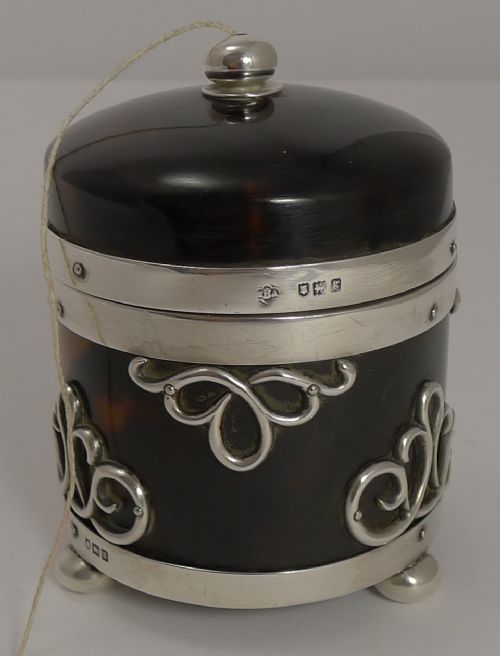
When you search for antique silver tortoise, you are looking at functional and decorative desk accessories and containers spanning the Georgian, Victorian, and Edwardian eras. The selection on this page centres on items such as tea caddies, scent bottles, jewellery boxes, inkstands, and page turners.
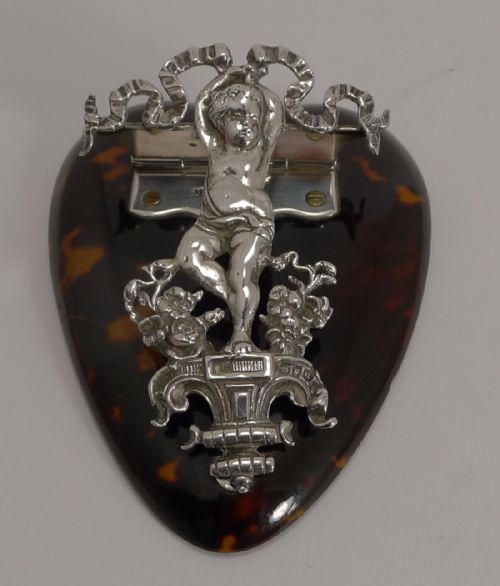
The most common forms you will meet are small boxes and desk wares combining translucent amber-and-brown shell with bright silver mounts. Pieces range from a simple bow-fronted tea caddy to an elaborate novelty desk bell or a heart-and-cherub letter clip.
Origins stretch across the eighteenth, nineteenth, and early twentieth centuries, capturing shifts in domestic refinement from 1750 through to the 1930s. Each object demonstrates how organic shell was utilised to house keepsakes, scent, ink, or tea.
Materials and construction
Maker's workshops combined genuine tortoiseshell with sterling silver, wood, and cut crystal to build these structured containers and accessories. Thin plates of shell were applied over a wooden or metal carcass to form the body of tea caddies and boxes.
Sterling silver mounts, hinges, and feet were fabricated separately and then secured to the shell panels. Engraved silver details and applied shields or cartouches were frequently integrated into the lids of jewellery boxes and inkstands.
Antique Silver Tortoise Retail Price Guide 2026
Typical asking prices for silver tortoise among the pieces listed under this phrase on Sellingantiques today, from the lower quarter to the upper quarter. They describe what is for sale here now, not the wider market.
Listings span a wide chronological range, featuring Georgian tea caddies alongside Edwardian novelty desk bells and 1930s scent bottles.
Judging quality in silver and tortoise
Quality rests upon the clarity and richness of the tortoiseshell patterning, alongside the weight and substance of the silver mounts. A superior piece exhibits deep, warm amber tones in the shell without heavy fracturing, paired with crisp hallmarks and solid silver construction.
The sophistication of the object's function also dictates its standing, moving from simple boxes to intricate novelty items like mechanical desk bells or dual-compartment tea caddies. Finer examples maintain tight joints between the organic shell and the metal frames, showing minimal shrinkage or repair over the centuries.
The Antique Silver Tortoise Glossary
- Tortoiseshell
- A keratin-based material derived from the shell of certain marine turtles, historically valued for its translucent amber and dark brown mottled appearance. It is easily warmed and shaped into thin veneers for boxes and desk accessories.
- Sterling silver
- An alloy consisting of silver and other metals, typically copper, standardised for strength while maintaining a high purity level. It forms the structural mounts, bezels, and decorative overlays on these pieces.
- Tea caddy
- A small container designed to store loose tea leaves securely, often featuring a fitted lid and internal compartments. In earlier periods, these were luxury items kept under lock and key.
- Inkstand
- A desk stand incorporating an inkwell, pen tray, and sometimes a sander or bell for writing tasks. They were central fixtures on nineteenth-century writing desks.
- Letter turner
- A flat, polished implement made of shell, bone, or ivory with a silver handle, used to slice open envelopes and turn pages. They reflect the correspondence habits of the Georgian and Edwardian eras.
Antique Silver Tortoise: Frequently Asked Questions
How were these tortoiseshell items used?
They served practical daily functions in Georgian, Victorian, and Edwardian households, from storing loose tea and holding ink to keeping jewellery and opening letters.
Many sat upon writing desks or dressing tables as both working tools and decorative statements of status.
How do I date a piece?
Dating relies on a combination of the silver hallmarks, the construction style, and the object type. Hallmarks indicate specific assay offices and active years, such as Chester or London marks from the Edwardian era.
Stylistic cues, like a Georgian bow-front shape versus an Edwardian novelty form, also help place the item within its period.
How do I care for silver and tortoise?
Keep these items away from direct sunlight, excessive heat, and moisture to prevent the tortoiseshell from drying out or warping. Clean the silver gently with a soft cloth designed for precious metals.
Avoid harsh chemical polishes that might seep beneath the mounts and damage the underlying shell or wooden carcass.