

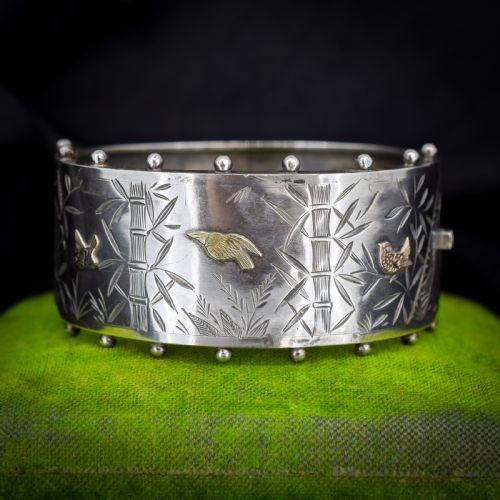


Antique Silver Studs
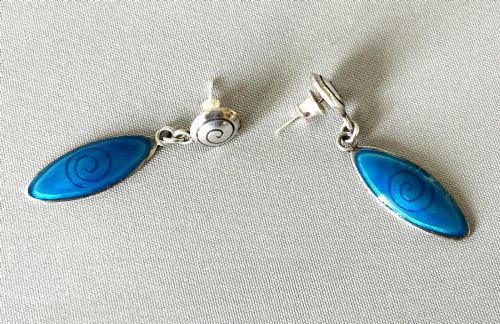
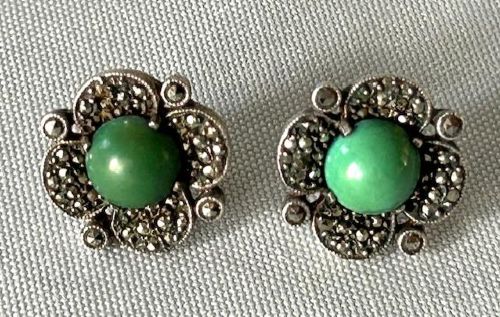
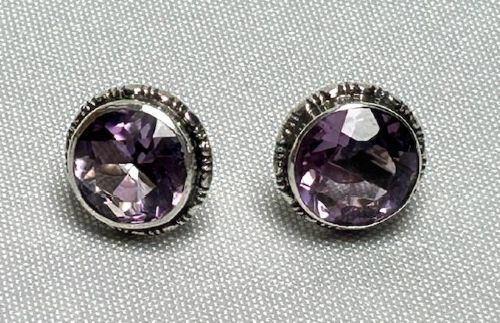
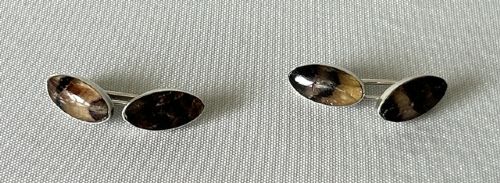
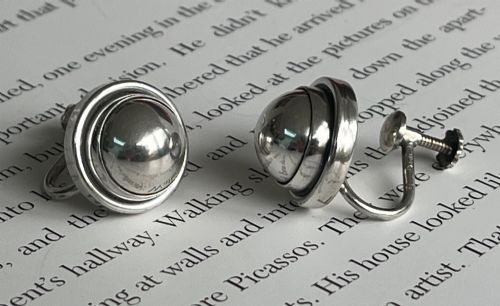
These antique silver studs and associated fasteners bring small-scale metalwork and stone setting from the Victorian, Edwardian, and Art Deco periods into daily use.
Antique Silver Studs
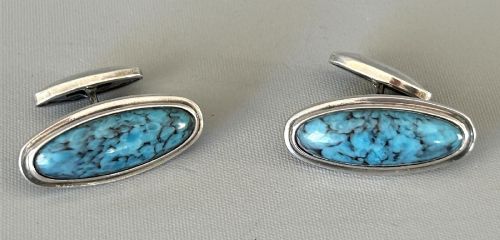
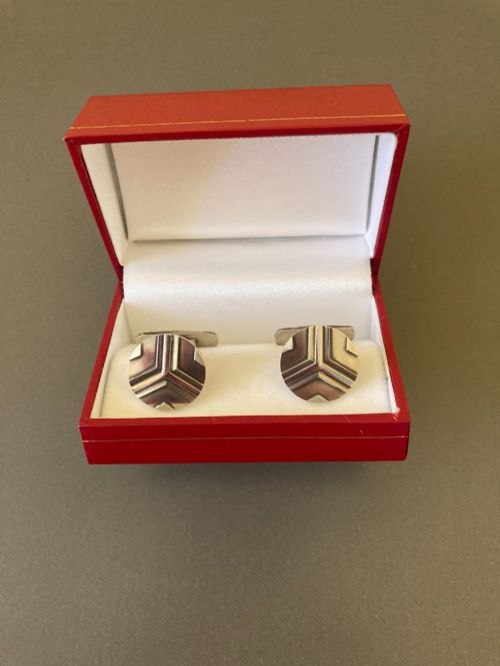
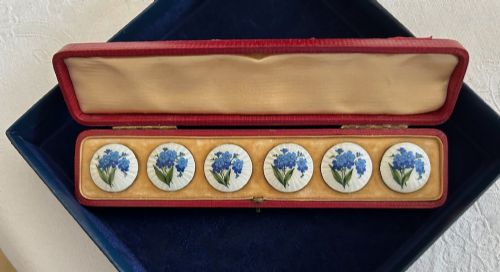
When you search for antique silver studs, you encounter a varied selection of small decorative fastenings, earrings, cufflinks, and buttons spanning the nineteenth and twentieth centuries. The listings frequently feature Art Deco modernist cufflinks and Edwardian enamel buttons alongside distinct Victorian cluster designs.
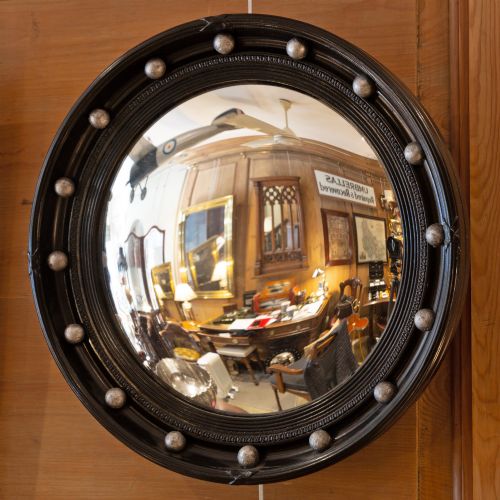
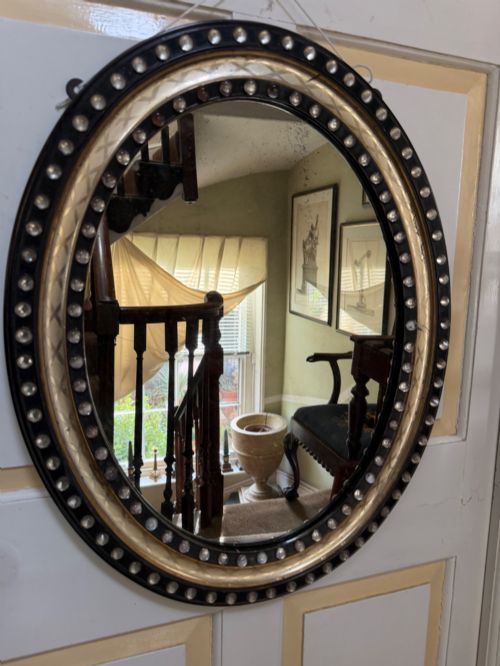
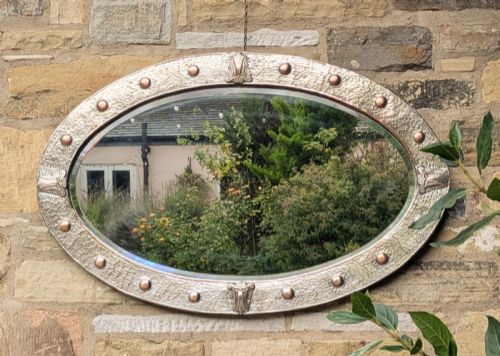
The objects take diverse forms beyond traditional shirt fastenings, including wall mirrors, trinket boxes, and napkin rings that incorporate silver alongside contrasting materials. Earrings and cufflinks dominate the selection, often showcasing period stones such as turquoise, garnet, and diamond.
Origins stretch across British, Irish, German, and Austro-Hungarian workshops, capturing regional aesthetic shifts from Arts and Crafts simplicity to elaborate Victorian and Edwardian ornamentation. Pieces range from matched pairs of enamel gents cufflinks to boxed sets of sterling silver buttons.
Materials and construction techniques
Silversmiths and jewellers utilised solid silver, sterling silver, and silver plate as the foundational metals, frequently combining them with platinum, yellow gold, and copper for structural contrast or colour variation. Ebonised wood and tortoiseshell appear in larger items like mirrors and boxes.
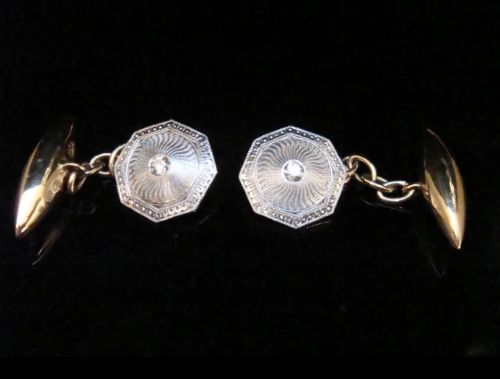
Gemstone setting involves both precious and semi-precious stones, including old cut diamonds, blue John, turquoise, garnets, paste, and faux pearls, secured in floral or geometric arrangements. Enamel work adds vibrant colour panels to modernist cufflinks and cased button sets.
Antique Silver Studs Retail Price Guide 2026
Typical asking prices for silver studs among the pieces listed under this phrase on Sellingantiques today, from the lower quarter to the upper quarter. They describe what is for sale here now, not the wider market.
Listings feature items spanning the Victorian era through the 1950s, constructed from silver, enamel, diamond, and platinum across Art Deco and Arts and Crafts styles.
Quality variations in period metalwork
The distinction between standard items and superior pieces rests on the precision of the stone setting and the complexity of the metal fabrication, such as hand-applied parcel silver-gilt decoration. Master jewellers achieved cleaner lines in Art Deco modernist designs and greater depth in Victorian cluster formations.
The integrity of applied elements, from enamel panels to integrated glass decoration on mirrors and boxes, dictates the overall refinement of a piece. Finer examples maintain crisp detail in stampings and engravings without obscuring the underlying hallmarks or material textures.
Henry Wilkinson
The Antique Silver Studs Glossary
- Sterling silver
- An alloy of silver containing 92.5 percent by mass of silver and 7.5 percent by mass of other metals, usually copper. This standard composition ensures durability while maintaining a bright metallic lustre.
- Silver-gilt
- Silver that has been plated with a thin layer of gold. This technique provides the visual warmth of gold while utilising a silver base.
- Marquise cut
- A diamond or other gemstone shape with an elliptical body and pointed ends. This cut maximises the apparent size of the stone.
- Parcel gilt
- An object that is partially gilded, leaving portions of the underlying silver exposed for contrast. This method highlights specific decorative motifs.
Antique Silver Studs: Frequently Asked Questions
What are antique silver studs used for?
These pieces function primarily as functional fasteners for formal attire, including cufflinks, shirt studs, and button sets. Other forms serve as personal adornments or decorative desk accessories.
Items such as napkin rings and trinket boxes bring period metalwork into domestic settings, combining utility with distinct aesthetic movements.
How do I care for antique silver?
Store silver pieces in dry conditions away from direct sunlight to prevent tarnishing and damage to delicate enamel or stone settings. Avoid harsh chemical dips that strip away patination and age.
Gentle cleaning with a soft microfibre cloth preserves the original metal finish and protects mounted gems like turquoise and paste.
How do I identify Art Deco cufflinks?
Art Deco cufflinks display geometric symmetry, clean lines, and modernist motifs characteristic of the interwar period. They frequently incorporate enamel panels alongside chrome, platinum, or silver.
Makers of this era focused on streamlined shapes and stark colour contrasts, moving away from ornate Victorian floral designs.
What is the difference between Victorian and Edwardian pieces?
Victorian items tend to feature heavier, more elaborate ornamentation, often incorporating rich stone clusters, yellow gold accents, and deep relief work. Natural motifs like birds and floral sprays are common.
Edwardian pieces generally exhibit a lighter touch, favouring platinum, delicate diamond settings, and refined pastel enamels under the influence of neoclassical elegance.