
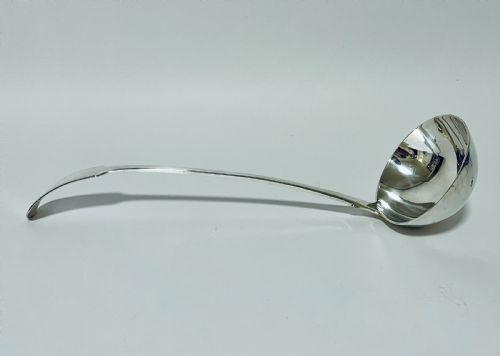
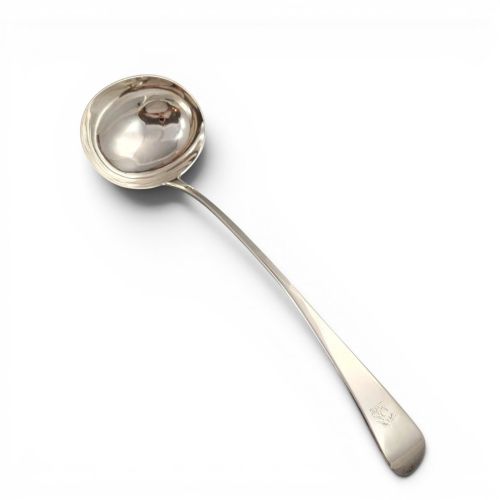
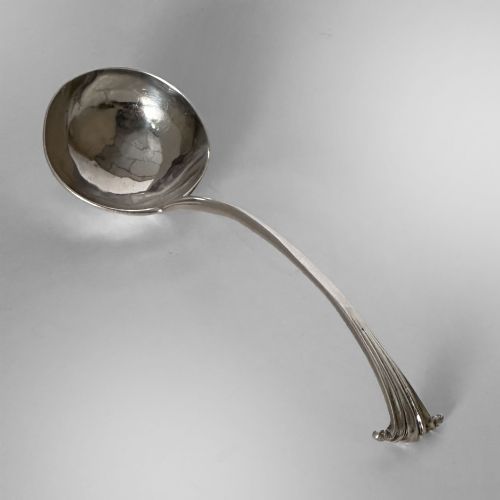


Antique Silver Serving Ladle
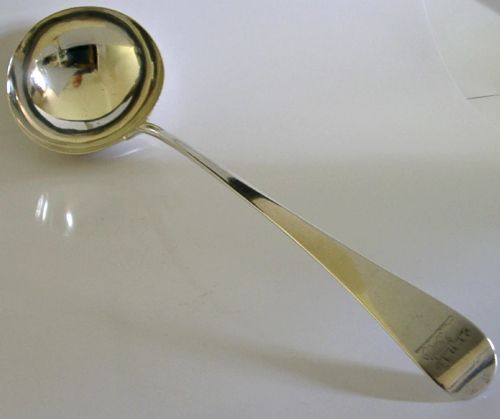
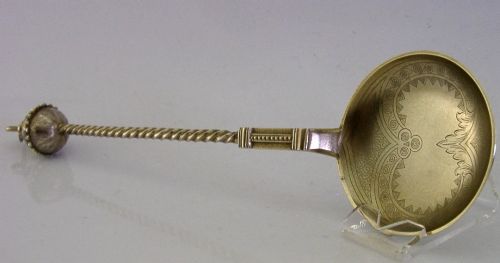
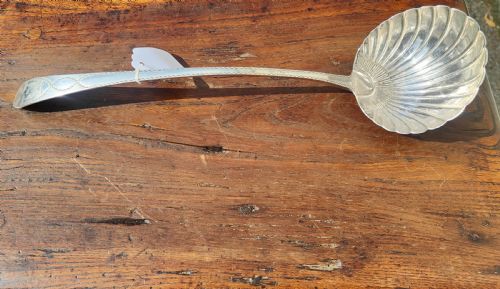
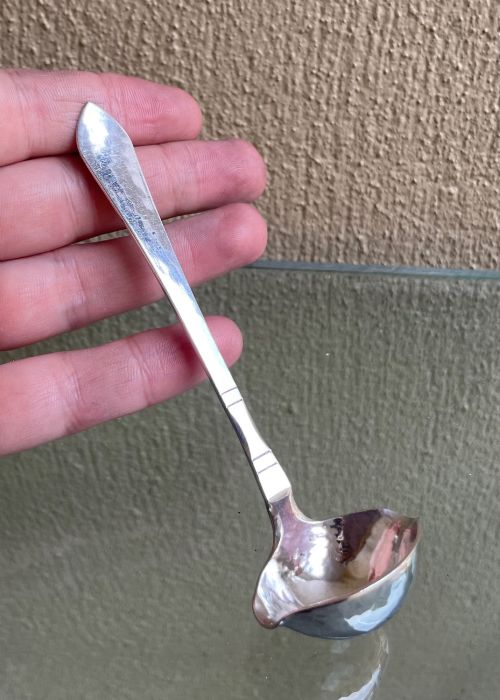
These antique silver serving ladle pieces are substantial forged tableware items you want for grand dining service.
What an antique silver serving ladle is
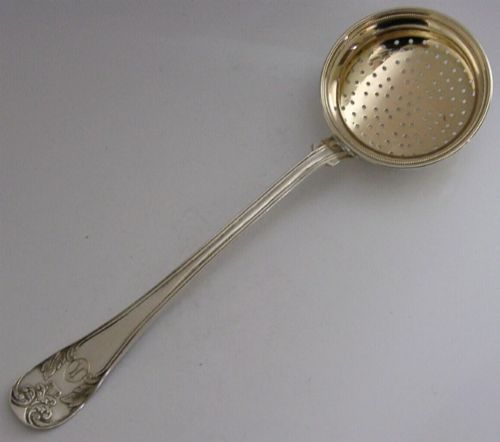
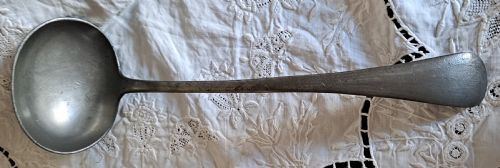
When you search for antique silver serving ladle pieces, you encounter large domestic forms designed for soup, stew and toddy service. The selection spans Georgian and Victorian eras, originating from Edinburgh, Exeter and other regional centres of silversmithing.
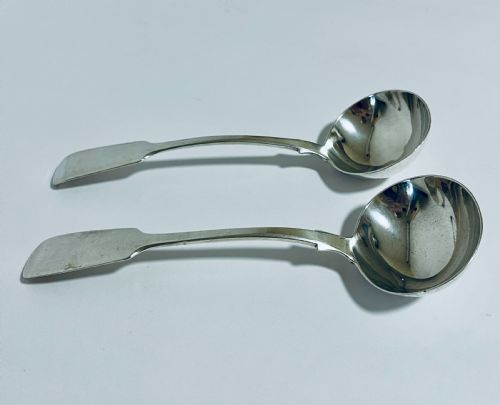
You meet both large soup ladles and smaller toddy ladles among these examples. The forms include crested family silver alongside generous three-piece collections from eighteen hundred.
How they were made
Makers formed these items using solid sterling silver, frequently pairing the precious metal with organic elements such as horn and wood for handles. Smiths hammered and shaped the heavy metal to withstand the demands of communal dining.
Engraving added family crests to the bowls or handles, while punches struck hallmarks into the silver surface to record the assay office, date and maker.
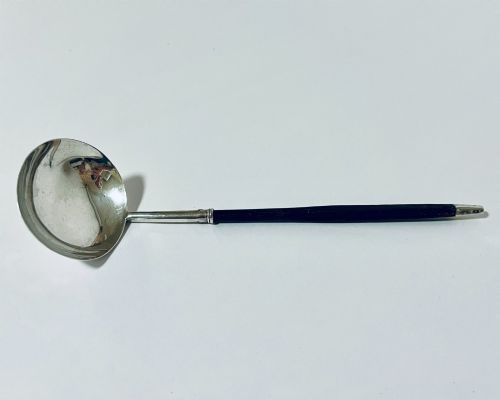
Some ladles feature handles made from horn so you can serve punch without burning your fingers on the metal.
What varies in quality
The distinction between standard examples and superior pieces rests upon weight, balance and historical provenance. Substantial mass in the bowl and stem separates heavy soup ladles from lighter service utensils.
Engraved family crests and regional hallmarks elevate an example beyond plain domestic silver. The integration of wooden or horn components also distinguishes regional variations across the periods.
The Antique Silver Serving Ladle Glossary
- Toddy ladle
- A small drinking vessel with a bowl and handle used for transferring hot punch or toddy into glasses. These often feature twisted baleen or wooden handles.
- Hallmark
- A series of official marks stamped onto silver by an assay office to guarantee the metal standard. These symbols identify the maker, city of testing and year of production.
- Crest
- A heraldic design engraved onto the silver surface to indicate family ownership. This personal symbol usually matches the crest on the family's dinner service.
- Sterling silver
- An alloy consisting of ninety-two point five percent silver and seven point five percent other metals, usually copper. This standard ensures sufficient durability for daily utility.
Frequently Asked Questions
What is a toddy ladle used for?
A toddy ladle serves to ladle hot mixed drinks from a bowl into individual drinking glasses. These smaller vessels often feature twisted wooden or horn stems designed to prevent heat transfer.
They appeared frequently on nineteenth-century dining tables during social gatherings involving punch and spirits.
How do I date a silver ladle?
You date an antique silver ladle by reading the struck hallmarks on the back of the stem or bowl. These official stamps include date letters that correspond to specific assay office records.
Stylistic elements like Georgian bowl shapes and Victorian crests also help narrow the period of manufacture.
Are these ladles made of solid silver?
The pieces recorded in these listings utilise solid sterling silver for their bowls and stems. Some examples incorporate organic materials like horn and wood specifically for the handles.
This combination of metal and natural material provides both balance and thermal insulation during use.
Where were these silver ladles made?
Silversmiths produced these items across various British assay centres, including regional locations like Edinburgh and Exeter. Each regional office applied its own distinctive town mark to the metal.
This local production created diverse regional styles within British silver tableware.