



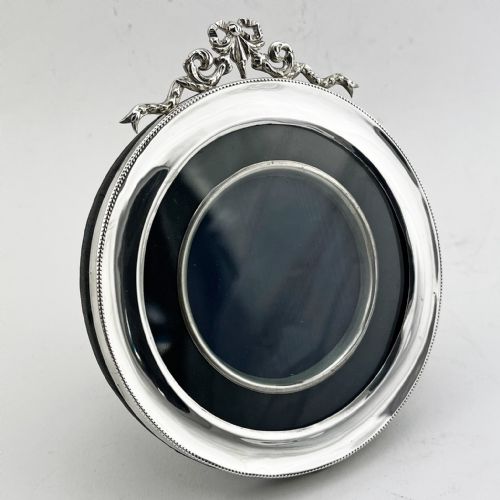


Antique Silver Portrait Display
These pieces of antique silver portrait display bring enduring character to a room, offering a tangible link to past craftsmanship that collectors prize.
Antique Silver Portrait Display
When you search for antique silver portrait display, you encounter a curated selection of frames and commemorative plates designed to showcase images and heritage. The most common forms on this page are photo frames and picture frames fashioned in sterling silver.
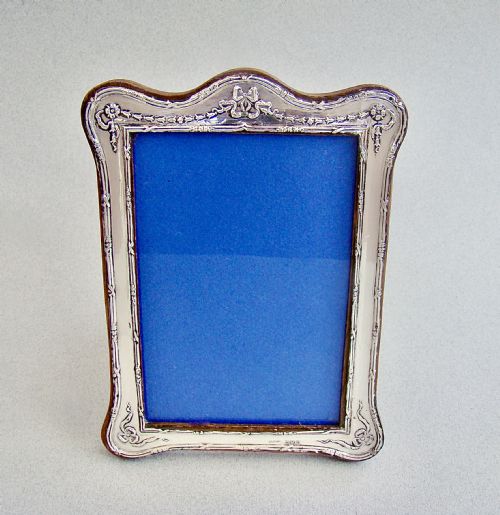
These items originate predominantly from the Edwardian and George V periods, featuring styles such as Art Nouveau, Neoclassical Revival, and Victorian designs. Alongside standard rectangular photo frames, round configurations and commemorative pewter plates appear in the selection.
Makers and silversmiths from Birmingham produced many of these surviving examples during the early twentieth century. Buyers seeking genuine period character will find that these sterling silver frames provide an authentic desktop or mantelpiece display.
How they were made
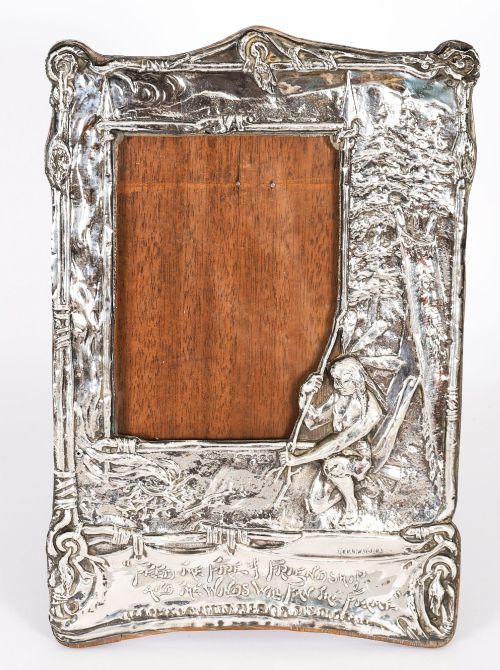
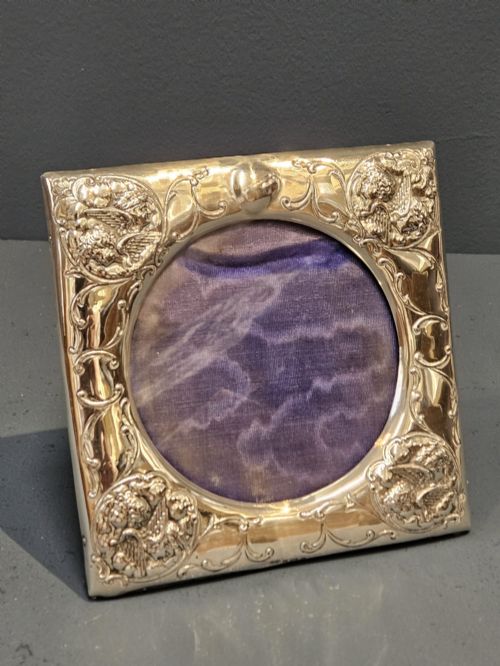
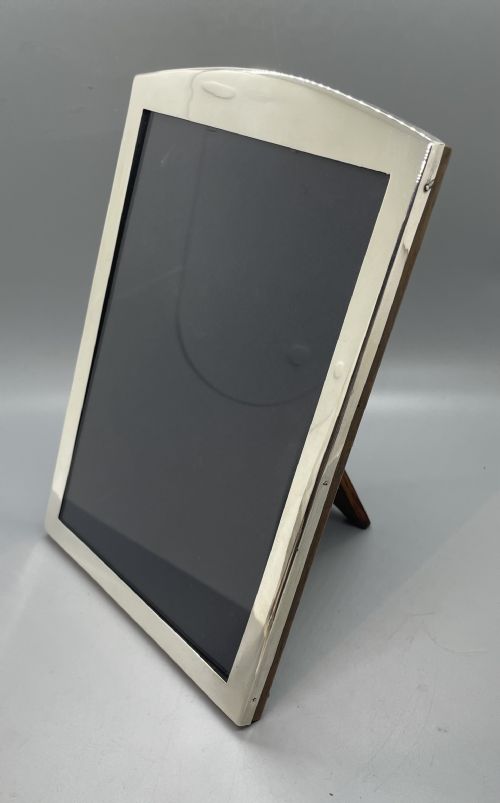
Silversmiths utilised sterling silver and pewter to form the primary structure of these portrait displays, working the metal through embossing, engraving, and planishing techniques. The resulting surfaces display floral borders, Reynolds Angels motifs, and clean geometric lines typical of Art Nouveau and Art Deco aesthetics.
Backings and structural supports incorporated wood, oak, glass, velvet, and fabric to protect the photographs and plates while providing stability. Artisans combined these tactile materials with metalwork to create functional domestic items designed for everyday use.
Antique Silver Portrait Display Retail Price Guide 2026
Typical asking prices for silver portrait display among the pieces listed under this phrase on Sellingantiques today, from the lower quarter to the upper quarter. They describe what is for sale here now, not the wider market.
Even celestial cherubs needed sturdy backing, as demonstrated by the velvet supports tucked behind angelic silver faces.
What varies in quality
The distinction between standard and superior pieces rests on the crispness of the chased or embossed detail and the integrity of the silver surface. Items exhibiting deep, defined floral borders or precise engraving demonstrate a higher level of workshop skill than plain or worn examples.
The choice of backing materials and the preservation of original glass and velvet linings also influence the overall character of the piece. Superior examples retain their original structural elements, reflecting the distinct standards of period silversmiths.
W.I.Broadway & Co
The Antique Silver Portrait Display Glossary
- Sterling silver
- An alloy comprising ninety-two point five percent silver and seven point five percent other metals, usually copper, chosen for durability in decorative items.
- Planished
- A metalworking technique involving light hammer blows across the surface to flatten it and create a distinctive, faceted texture.
- Reynolds Angels
- A decorative motif depicting winged cherubs, inspired by the paintings of Sir Joshua Reynolds and popular on Edwardian silver goods.
- Commemorative plate
- A decorative dish produced to mark a specific historical event, person, or anniversary, often cast in pewter or metal.
- Neoclassical Revival
- A style drawing inspiration from classical antiquity, featuring symmetrical lines, urns, and restrained floral ornamentation.
Antique Silver Portrait Display: Frequently Asked Questions
What periods do these silver frames date from?
The pieces span several decades, with a strong representation from the Edwardian era and the George V period. You will also encounter Victorian examples and occasional items from the eighteenth century.
Each period brings distinct stylistic elements, ranging from ornate floral embossing to the clean lines associated with early twentieth-century design.
How were these portrait frames originally used?
Owners placed these items on desks, dressing tables, and mantelpieces to display photographs of family members and notable figures. They served both a sentimental purpose and a decorative function in period interiors.
The inclusion of sturdy wooden backs and velvet linings ensured that cherished photographs remained secure and protected from damage.
What materials accompany the silver?
Silversmiths paired sterling silver with glass to shield the portraits, while wooden struts and oak frames provided structural support. Velvet and fabric backings offered a soft finish against furniture.
Some commemorative items substitute silver with pewter, maintaining a similar metallic aesthetic for display purposes.
How can I identify an Art Nouveau frame?
Art Nouveau frames on this page are characterised by organic motifs, flowing lines, and planished silver surfaces that reflect hand-working techniques. These designs eschew rigid symmetry in favour of natural forms.
Makers working in this style during the Edwardian period embraced fluid borders inspired by plant stems and hair tendrils.