


Antique Silver Pommel
An antique silver pommel caps a fine walking cane or sword stick, offering a decorative grip that turns a daily accessory into a portable statement of rank or taste.
Antique Silver Pommel
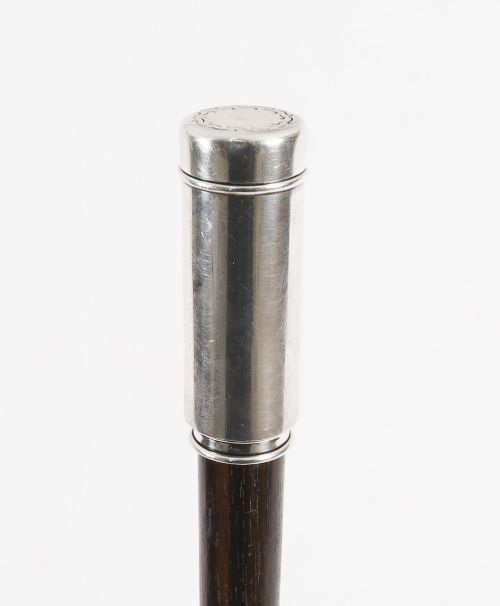
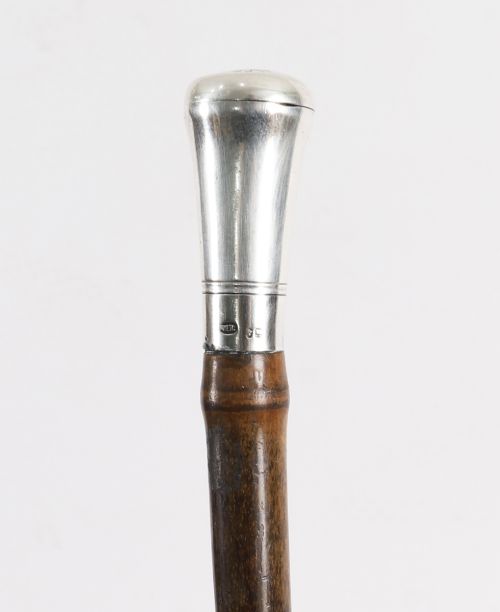
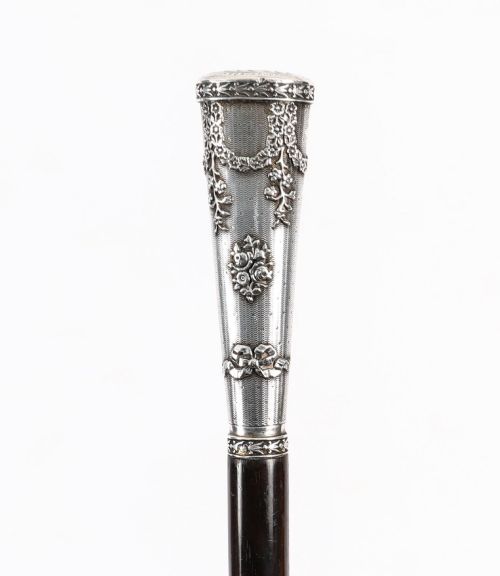
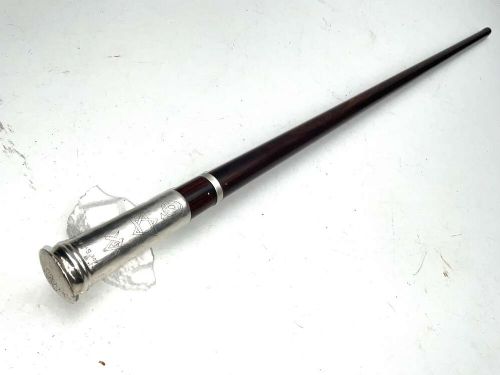
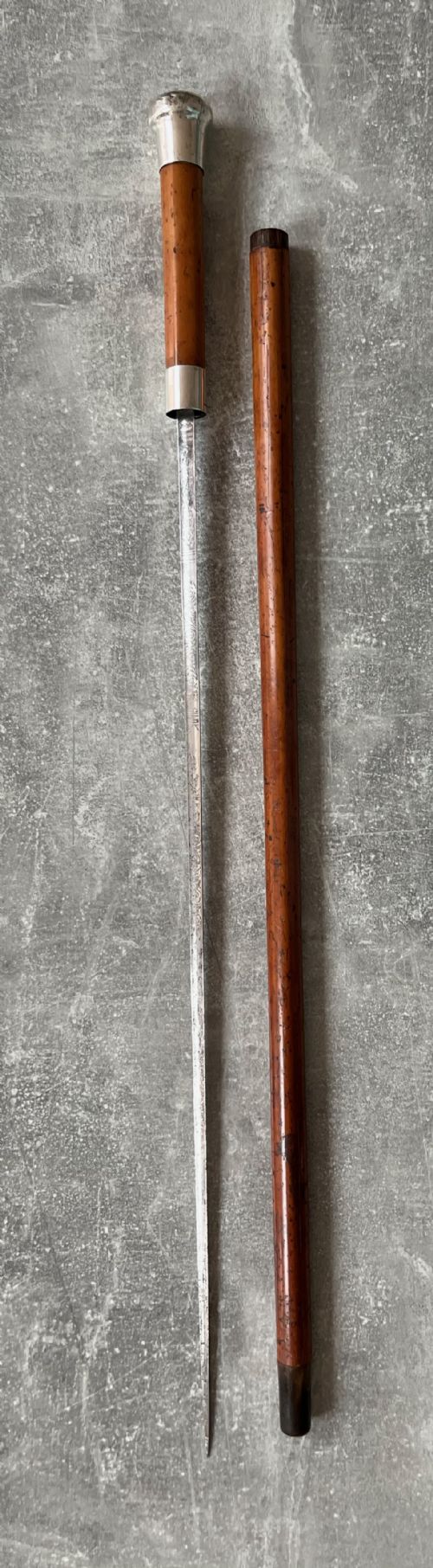
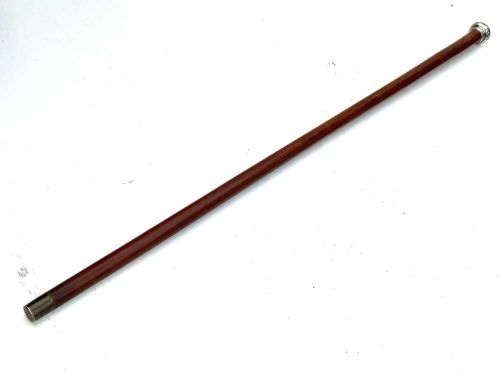
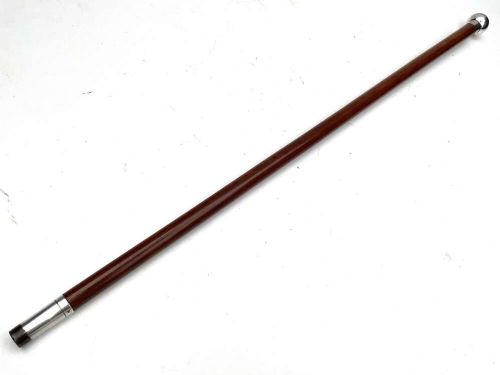
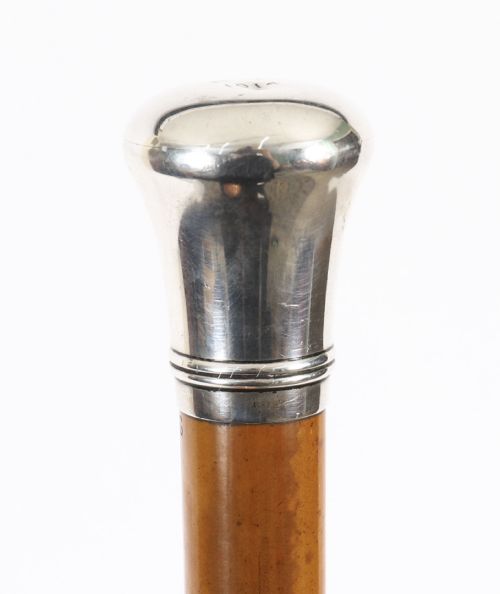
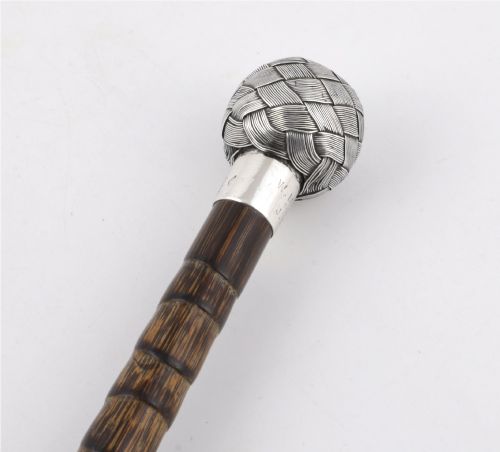
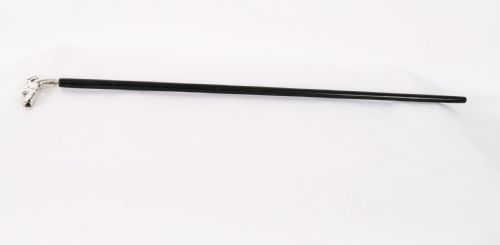
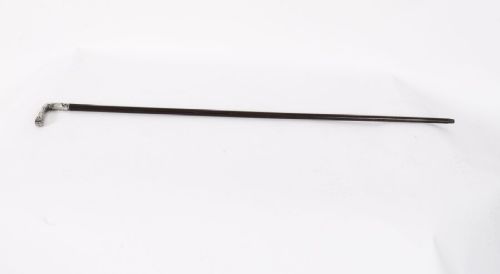
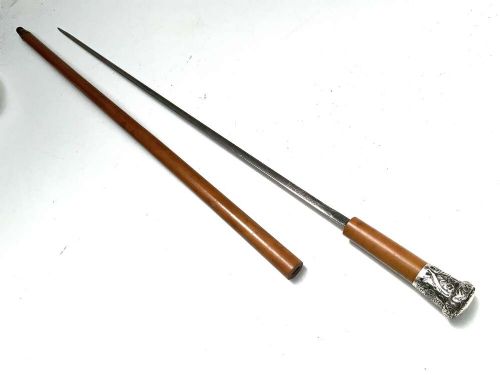
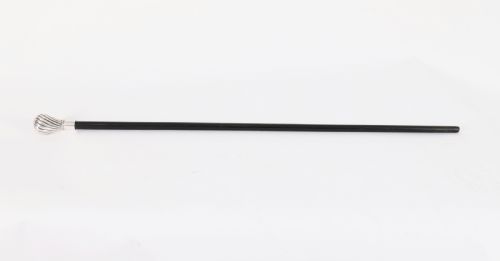
When you search for an antique silver pommel, you are looking at the decorative metal handle or cap fitted to the top of a walking stick, cane, swagger stick, or sword stick. These pieces range from simple silver wire knots and ball tops to sculptural animal heads shaped as horses, greyhounds, hares, and parakeets.
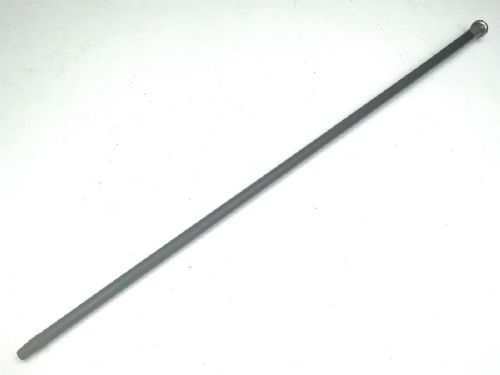
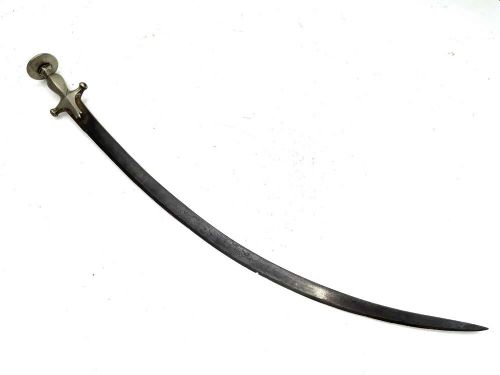
The versions you are most likely to meet on this page hail primarily from the nineteenth century and the Edwardian era. They appear mounted on shafts of bamboo, snakewood, malacca, ebonised wood, hardwood, and steel, spanning gentleman's sword sticks, military swagger sticks, and novelty canes.
How they were made
Makers combined precious and base materials by casting or hammering silver into detailed figural pommels and geometric bands. These silver tops were then securely fitted to shafts of turned hardwood, bamboo, or steel blades.
Craftsmen utilised ebonisation, silver plating, and intricate wire work alongside natural timbers like snakewood and malacca to produce durable yet elegant walking aids.
Antique Silver Pommel Retail Price Guide 2026
Typical asking prices for silver pommel among the pieces listed under this phrase on Sellingantiques today, from the lower quarter to the upper quarter. They describe what is for sale here now, not the wider market.
A dandy could check the time while strolling by leaning on a walking stick concealing an opera watch.
What varies in quality
The distinction between ordinary and superior pieces rests upon the crispness of the modelling in the silver pommel and the choice of shaft material. Sculptural animal heads with deep, expressive chisel work and intact hallmarks represent the higher tier of these accessories.
Exotic woods such as snakewood and malacca, paired with substantial sterling silver mounts and integrated mechanisms like hidden watch faces or sword blades, elevate the execution far beyond standard utility pieces.
The Antique Silver Pommel Glossary
- Pommel
- The rounded or decorative knob on the upper end of a walking stick or sword handle. It provides a comfortable grip for the hand.
- Swagger stick
- A short, slender military cane carried by officers as a symbol of authority. These often feature distinctive regimental metal tops.
- Sword stick
- A walking cane concealing a functional steel blade within its wooden shaft. A secure pommel mechanism locks the blade safely inside.
- Malacca
- A sturdy, mottled rattan cane imported from Southeast Asia and prized for walking sticks. Its natural finish takes mounts exceptionally well.
- Hallmark
- An official stamp indicating the purity of the silver and the year of assay. English items frequently display these stamps on the metal band or pommel.
Antique Silver Pommel: Frequently Asked Questions
What is an antique silver pommel?
An antique silver pommel is the decorative metal cap or handle fitted to the top of a walking cane or sword stick. It serves both as an ergonomic grip and a display of personal style.
These pieces range from plain spherical designs to intricate animal carvings shaped like horses or greyhounds, often bearing silver hallmarks from the nineteenth or early twentieth century.
How were sword sticks used?
Sword sticks functioned primarily as walking aids that secretly concealed a steel blade within the wooden shaft. Gentlemen carried them for personal protection and fashion.
Regimental officers also utilised swagger sticks or specialised canes to denote rank and maintain military bearing during parades and daily duties.
How do I care for silver pommels?
Silver pommels require gentle cleaning with a soft microfibre cloth to maintain their lustre without wearing down fine details. Avoid harsh chemical polishes that can damage surrounding wooden shafts.
Store the canes in stable, dry environments away from direct sunlight to preserve natural timbers like bamboo, malacca, and snakewood.
How do I date a walking cane?
Dating a cane involves examining any visible silver hallmarks, which record specific assay years for the metal mount. Stylistic clues such as Neoclassical motifs or Edwardian proportions also help narrow the period.
Material choices like ebonised wood or specific bamboo types provide further context, aligning the piece with nineteenth or early twentieth-century manufacturing trends.