
Antique Silver Plated
Selecting antique silver plated items brings enduring dining and decorative elegance into the home through centuries of refined metalwork.
Antique Silver Plated
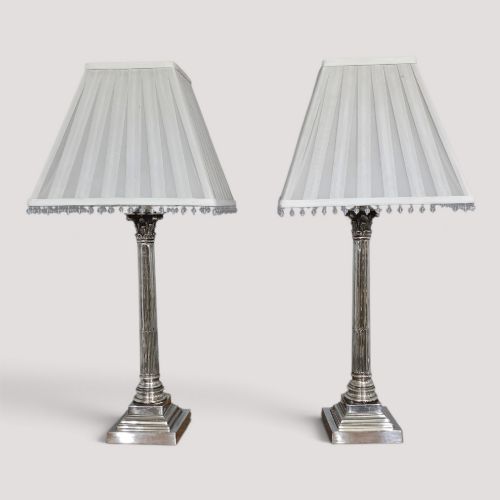
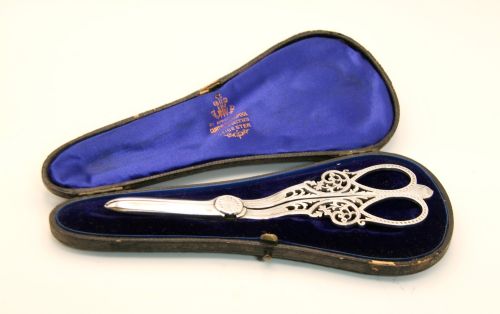
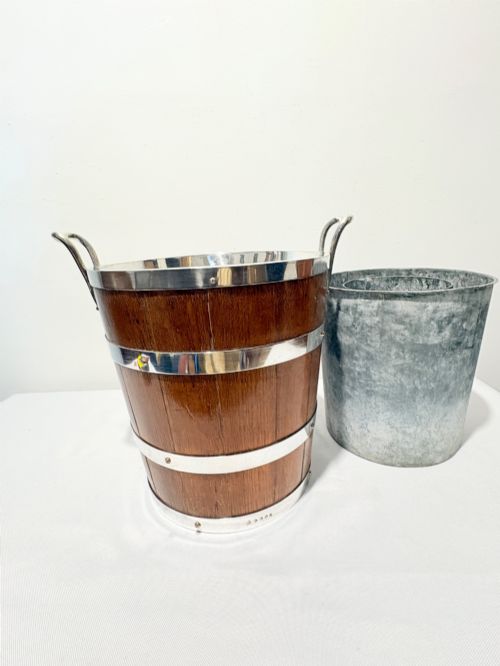
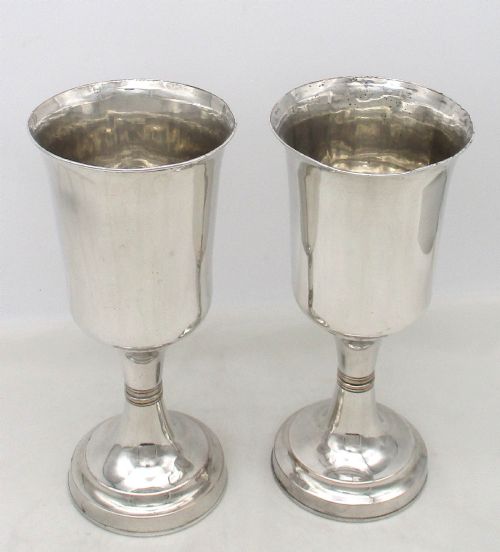
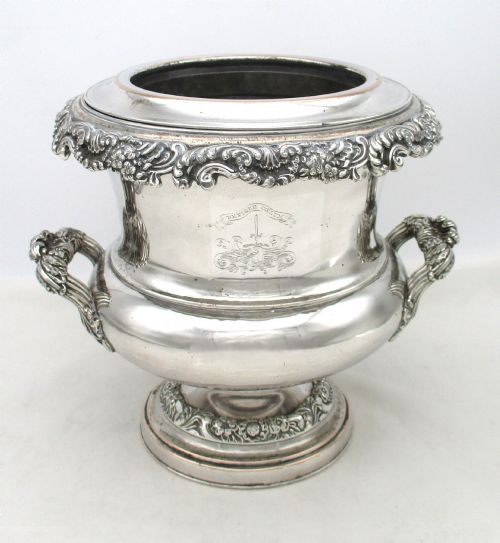
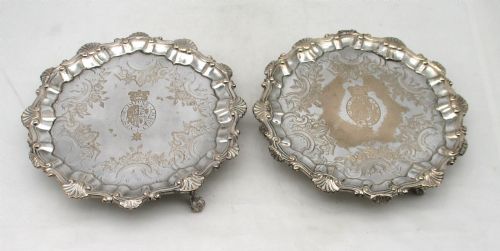
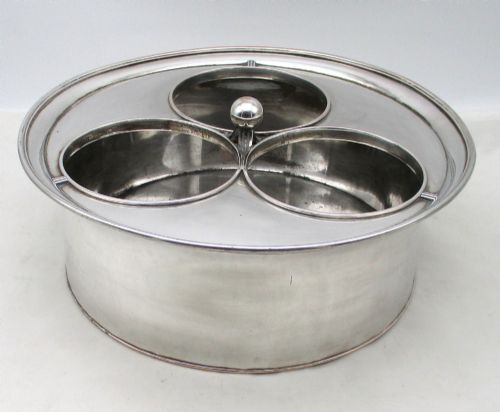
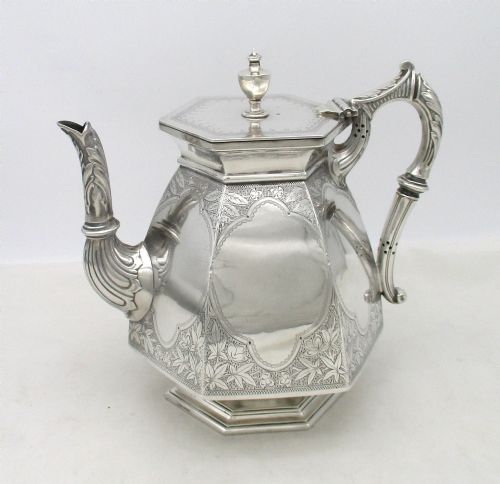
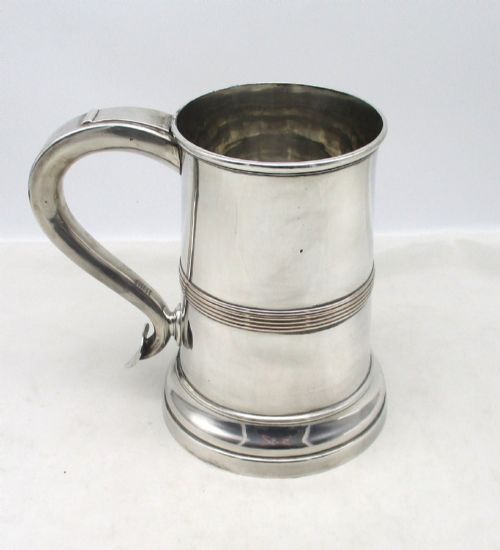
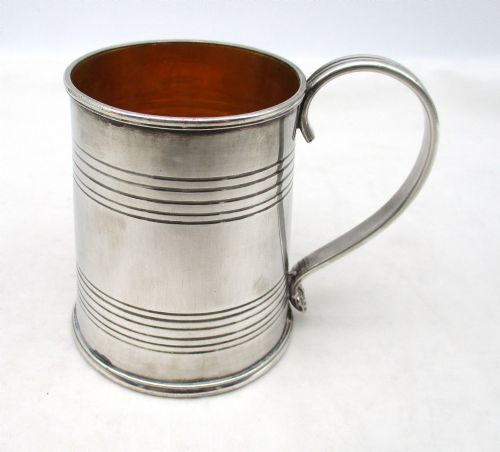
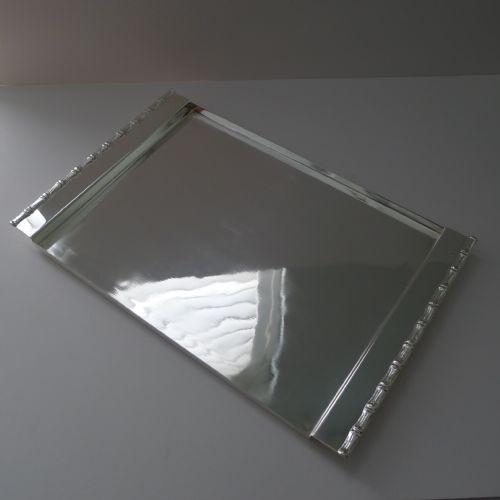
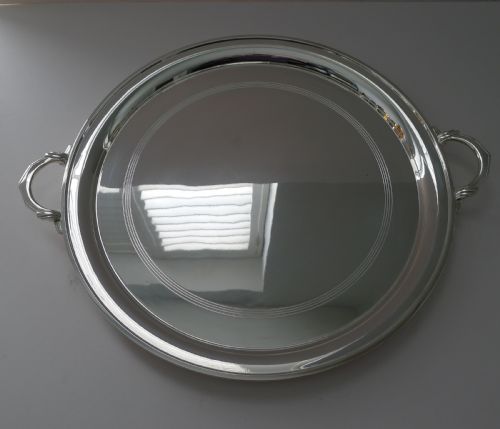
When searching for antique silver plated objects, buyers encounter a diverse range of domestic and decorative items spanning the eighteenth century through to the mid-twentieth century. The selection encompasses practical hospitality wares such as tea services, wine coolers, salvers, and claret jugs alongside lighting fixtures, candlesticks, and novelties.
The objects originate from notable periods including the Victorian, Edwardian, and Art Deco eras, reflecting shifting domestic habits and design tastes. Functional barware, desk accessories, and tableware dominate the offerings, each designed to replicate the luxury of solid silver for formal and casual settings.
Materials and construction
Early items rely heavily on Old Sheffield Plate, a method fusing a thin sheet of silver onto a thicker copper core by heat and pressure, often revealing copper edges where wear occurs. Later production shifted towards electroplating, depositing a layer of silver onto base metals such as nickel silver, brass, or white metal using electrical current.
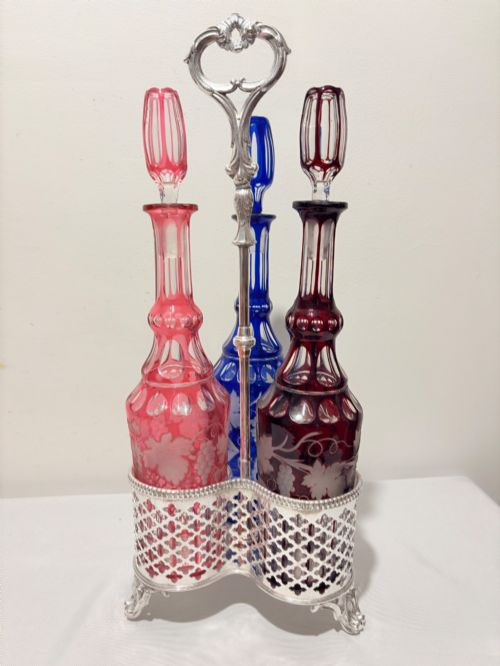
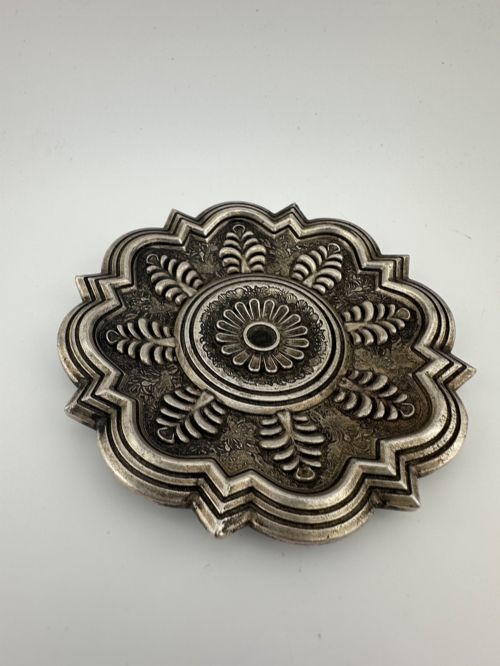
Manufacturers incorporated mixed media where appropriate, combining plated metal mounts with cut glass bodies, oak frames, or ceramic inserts. Surface decoration frequently involved manual chasing, engraving, repoussé work, and parcel gilding to enrich the final design.
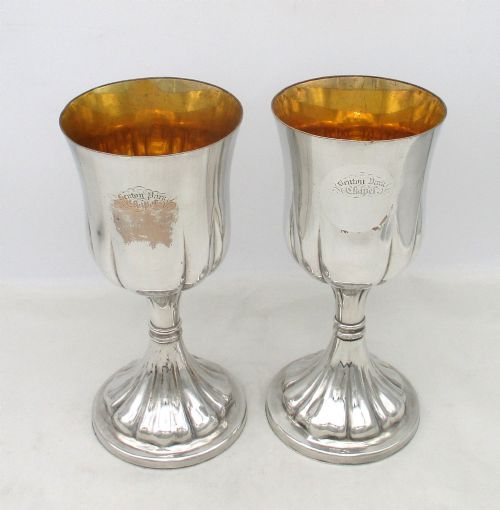
Form categories range widely from table lamps and barware to ecclesiastical chalices, pocket vesta cases, and railway carriage sinks.
Assessing craftsmanship
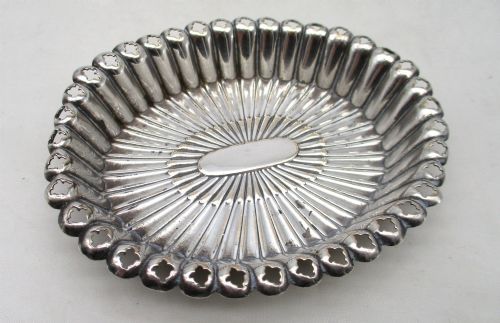
Superior examples distinguish themselves through the weight and gauge of the underlying metal, ensuring rigidity in large forms like trays and candelabra. The crispness of cast or hand-chased ornamentation remains a primary indicator of workshop skill, separating mass production from bespoke artistry.
The thickness and integrity of the original silver coating determine longevity, while sophisticated design integration, balanced proportions, and maker attribution elevate the standing of individual pieces.
Mappin & Webb·William Hutton & Sons·James Deakin·Walker & Hall·A.G. Dufva
The Antique Silver Plated Glossary
- Old Sheffield Plate
- An early method of fusing silver to copper before the invention of electroplating, valued for its sandwich construction where copper edges sometimes show through.
- Electroplated Nickel Silver
- A base alloy of copper, nickel, and zinc coated with a layer of silver via an electrolytic process, commonly abbreviated as EPNS.
- Repoussé
- A metalworking technique where the artisan hammers the design from the reverse side to form raised decorative reliefs on the surface.
- Salver
- A flat tray used for serving food or drinks, typically supported on small feet and featuring engraved or cast borders.
- Claret jug
- A pouring vessel designed for wine, frequently combining a silver plated mount, handle, and hinged lid with a moulded glass body.
Antique Silver Plated: Frequently Asked Questions
How do I clean my silver plated items?
Use a gentle, non-abrasive cream polish specifically formulated for silver plate, applying it lightly with a soft cloth to avoid removing the thin metal layer.
Rinse the item thoroughly in warm water and dry it immediately with a lint-free cloth to prevent water spots and tarnishing.
What is the difference between Old Sheffield Plate and electroplate?
Old Sheffield Plate involves physically fusing a sheet of silver onto a copper core under high heat, resulting in a heavier, distinct structure.
Electroplating uses an electrical current to bond a thin coat of silver onto a base metal, a technique introduced in the nineteenth century.
Can I use antique silver plate for daily dining?
Many items, such as trays, flatware, and holloware, were built for practical use and withstand careful everyday handling.
Hand wash these pieces gently after each use and avoid putting them in a dishwasher to preserve the delicate finish.
How can I tell the age of a piece?
Stylistic clues such as Victorian ornamentation, Edwardian floral engraving, or Art Deco geometric lines provide a reliable chronological guide.
Maker marks, registry numbers, and structural techniques like Old Sheffield copper edges also help date the manufacture.