




Antique Silver Plated Ware
Antique silver plated ware brings domestic elegance to the table, offering gleaming spirit kettles and decorative vessels that anchor a room with period grace.
Antique Silver Plated Ware
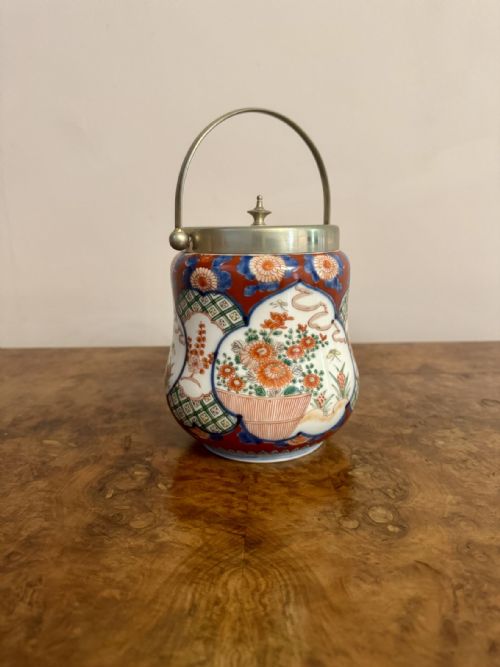
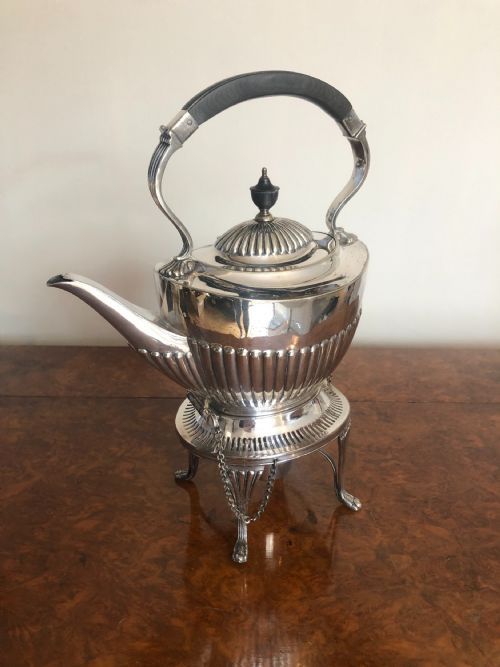
Antique silver plated ware encompasses domestic metalwork and decorative vessels produced primarily during the Victorian and Edwardian eras. Buyers exploring this category encounter functional items like spirit kettles alongside decorative dishes and storage pieces such as biscuit barrels.
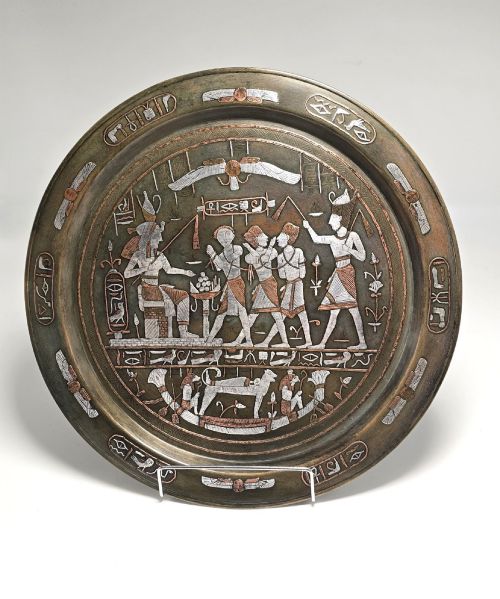
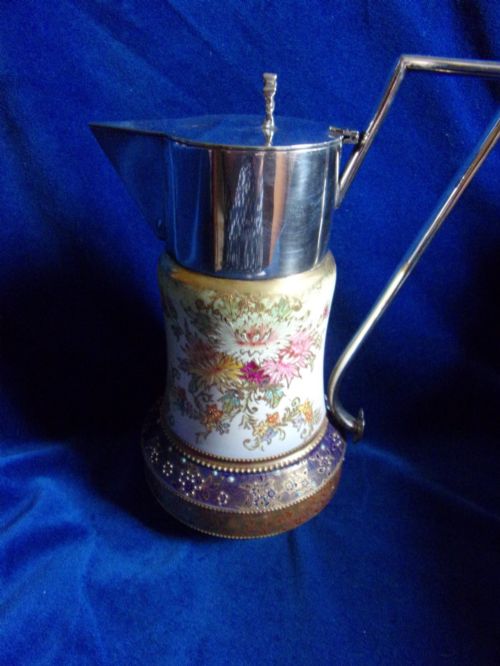
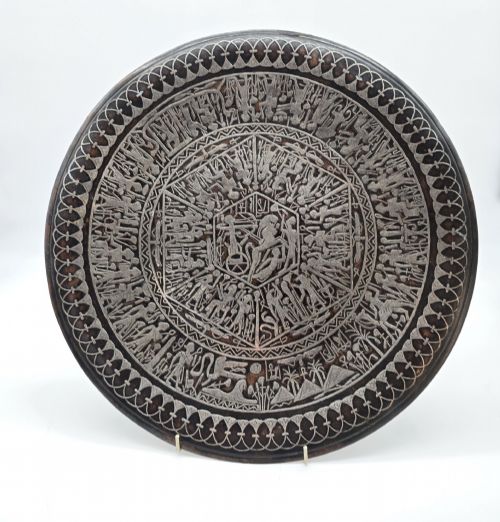
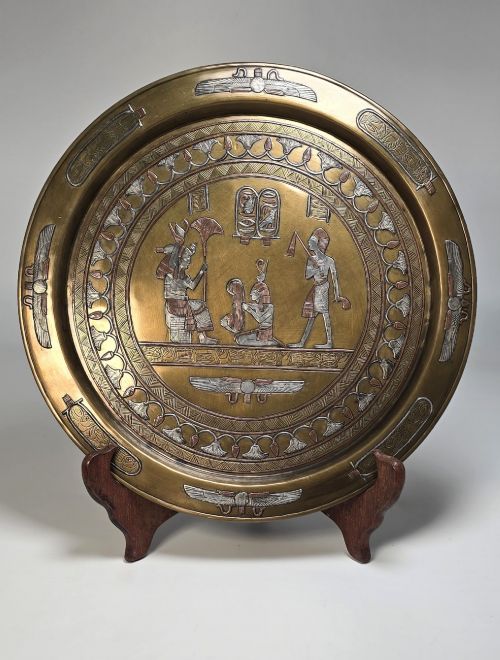
The selection on this page demonstrates considerable stylistic variety, drawing upon Victorian, Edwardian, and Arts and Crafts design principles. Alongside traditional British silver plate, pieces reflect international influences including Egyptian Revival, Islamic metalwork, and Japanese Imari ceramics.
The objects span from the late nineteenth century into the early decades of the twentieth century, capturing a period of diverse manufacturing ambition. While some items serve a purely decorative function on walls or surfaces, others retain their original utility for tea service or dining.
What varies in quality
Quality rests upon the crispness of surface decoration and the integrity of the underlying metalwork, whether considering silver inlay on patinated copper or the mounting of ceramic vessels. The precision of applied ornamentation distinguishes standard domestic production from finer artistic output.
Material combination also influences standard, as seen in the integration of ebony handles or enamel details with metal frames. Preserved surface patination and balanced proportions across stands and burners indicate superior craftsmanship.
Listings feature items spanning from the late Victorian period through the Edwardian era and into the nineteen-tens.
Carlton Ware·Waring And Gillows·Wedgwood
The Antique Silver Plated Ware Glossary
- Silver Plate
- A thin layer of silver applied to a base metal core such as copper or brass. This technique allowed makers to produce domestic items with the appearance of solid silver at a lower cost.
- Spirit Kettle
- A water kettle mounted upon a metal stand equipped with a small burner beneath. These vessels formed a central part of Edwardian and Victorian tea service.
- Biscuit Barrel
- A covered ceramic or metal container designed for storing dry biscuits on the dining table. They frequently featured hinged metal lids and swing handles.
- Cairo Ware
- Decorative metalwork produced in Egypt or for the European market during the late nineteenth and early twentieth centuries. Pieces typically feature dense silver inlay upon patinated copper or brass.
- Wall Charger
- A large decorative plate or dish intended for display on a wall rather than service at table. These items often showcase elaborate surface engraving or metal inlay.
Antique Silver Plated Ware: Frequently Asked Questions
What is antique silver plated ware?
Antique silver plated ware comprises functional and decorative metal items produced mainly during the Victorian and Edwardian periods. These objects use a base metal foundation coated with silver to achieve a polished finish.
Items in this category range from tea service equipment like spirit kettles to display pieces such as chargers and decorative dishes.
How do I use a spirit kettle?
A spirit kettle sits upon a dedicated metal stand above a small fuel burner used to heat water at the table. They were designed for Edwardian and Victorian tea service to maintain water temperature.
While many remain functional, collectors often display them as tabletop centerpieces or sideboard ornaments.
What are biscuit barrels used for?
Biscuit barrels served as lidded containers for storing and presenting dry biscuits during tea or dining gatherings. They typically sat on the table or sideboard within easy reach.
Materials varied widely, incorporating ceramic bodies from makers like Carlton Ware and Wedgwood alongside metal mounts and hinged lids.
How do I identify Cairo Ware?
Cairo Ware is characterised by dense silver inlay set into dark patinated copper or brass surfaces. The style reflects late nineteenth-century Egyptian Revival and Grand Tour aesthetics.
These pieces often take the form of chargers or vessels intended for visual display rather than everyday dining use.