






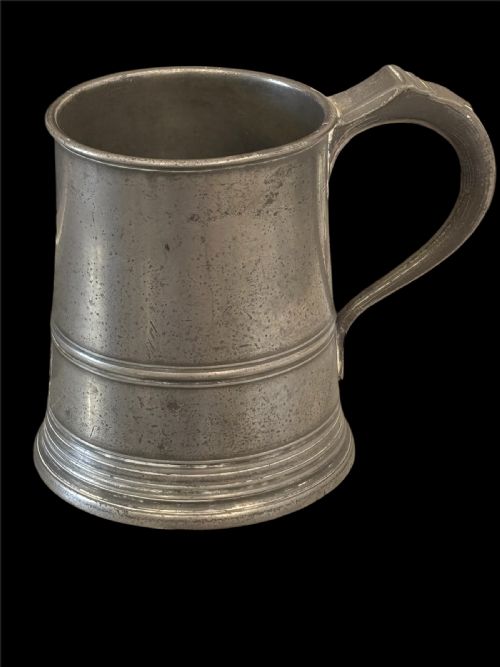
Antique Silver Pint
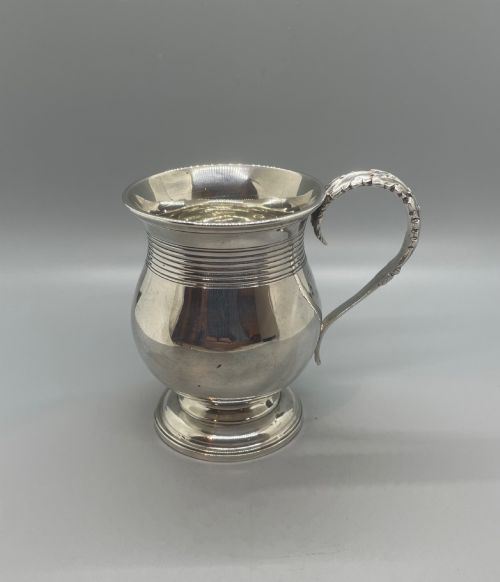
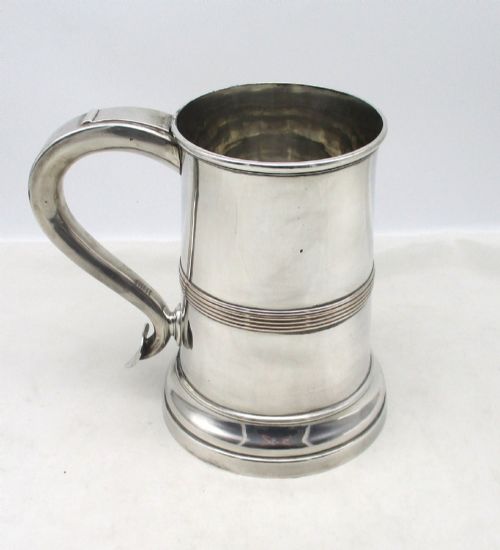
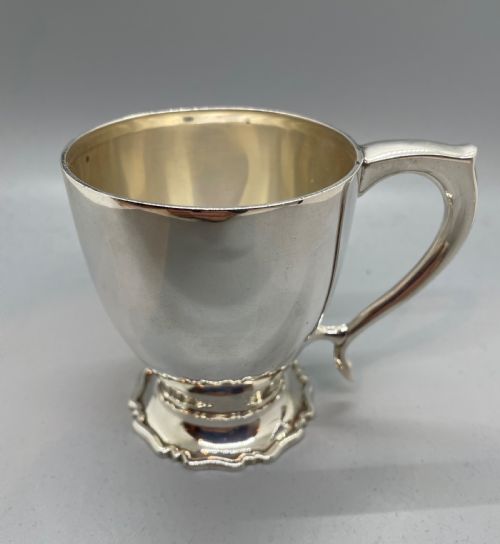
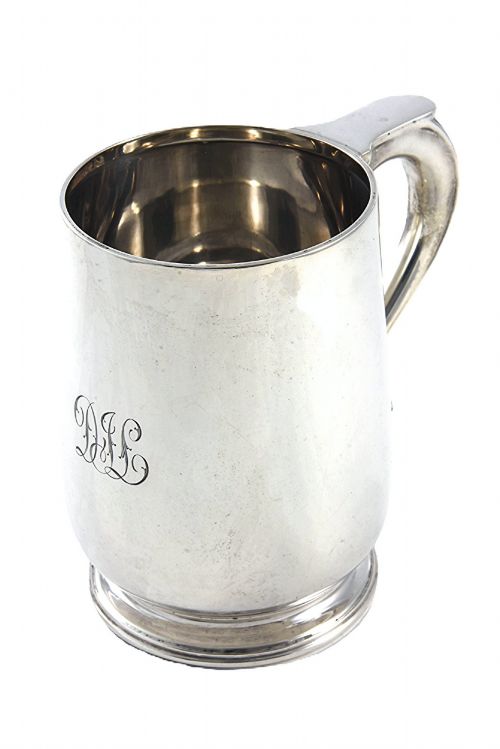
An antique silver pint brings substantial weight and generous measure to the table, offering a tangible piece of drinking history.
Antique Silver Pint
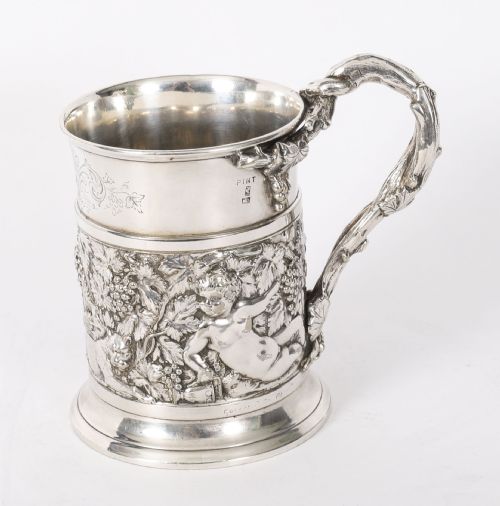
When buyers search for an antique silver pint, they encounter sturdy drinking vessels designed for hearty ale or spirits, predominantly taking the form of robust tankards and mugs. These pieces span several centuries of British and international craftsmanship, stretching from mid-eighteenth-century Georgian examples up to twentieth-century cocktail shakers.
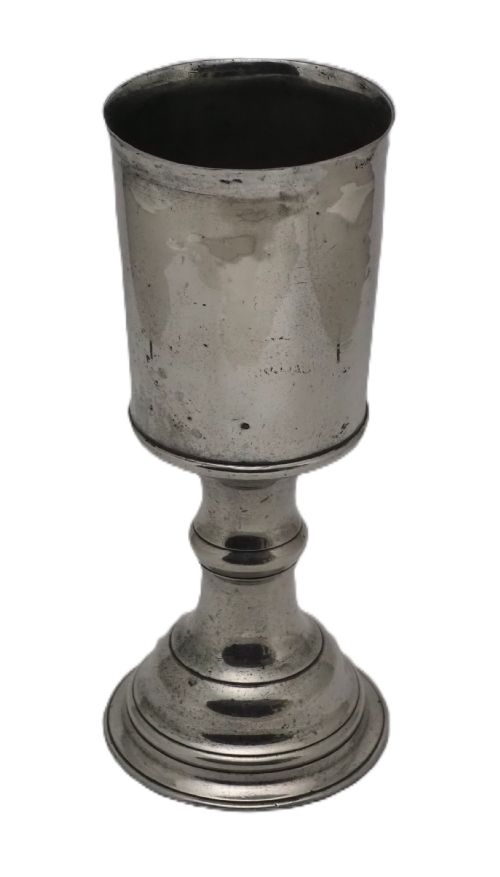
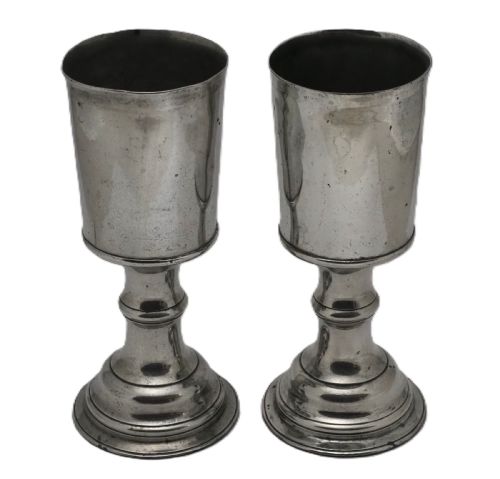
The selection on this page relies heavily on sterling silver and Old Sheffield plate, alongside traditional pewter and silver-plated wares. Forms range from plain-bodied Georgian mugs to elaborate Victorian embossed vessels and sleek Art Deco cocktail shakers of greater capacity.
Origins trace across important silversmithing centres such as London, Sheffield, and Newcastle, with specific pieces originating from Irish workshops and American makers. Buyers find both simple utilitarian drinkware and decorative presentation items carrying engraved family crests or monograms.
Materials and construction methods
Makers fashioned solid sterling silver and older pieces from molten metal beaten and shaped into sturdy bodies, often soldering applied handles and reinforcing rims. Eighteenth-century vessels frequently showcase heavy gauge silver designed to withstand daily tavern or domestic use.
Old Sheffield plate combined a thin layer of silver fused over a heavier copper core, creating durable vessels with a rich tonal depth. Later nineteenth and twentieth-century items utilised electroplating over white metal or base metals, allowing for complex embossed patterns and engine-turned surface textures.
Antique Silver Pint Retail Price Guide 2026
Typical asking prices for silver pint among the pieces listed under this phrase on Sellingantiques today, from the lower quarter to the upper quarter. They describe what is for sale here now, not the wider market.
Some twentieth-century iterations double as cocktail shakers complete with integral lemon squeezers for impromptu gatherings.
Distinctions in quality and execution
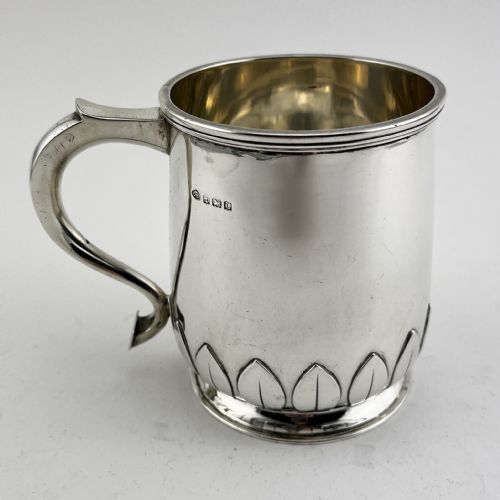
Quality rests upon the weight of the metal gauge and the crispness of the original hammering, chasing, or engraving. Superior pieces maintain thick walls that resist denting and display crisp hallmarks or maker marks stamped deeply into the metal.
The integrity of applied scroll handles and footrims dictates durability, while silver-plated items reveal quality through how well the outer silver layer resists wearing down to the underlying copper or base metal over decades of polishing.
G R Collis·William Grundy·Richard Morton·William Suckling·Mappin & Webb·Tuttle
The Antique Silver Pint Glossary
- Tankard
- A tall, cylindrical drinking vessel with a single handle, often fitted with a hinged lid in earlier centuries. These pieces were built for heavy daily use in homes and taverns.
- Old Sheffield Plate
- An early fusing technique where a sheet of silver is melted onto a copper ingot before being rolled into thin sheets. This method creates characteristic dark copper seams visible along edges.
- Hallmark
- A series of official stamps applied by an assay office to indicate the metal purity, year of manufacture, and maker. These marks provide the backbone for dating British silver accurately.
- Chasing
- A decorative technique where the silversmith pushes metal inward from the front using hammer and punches to create raised patterns. This differs from engraving, which removes metal.
- Engine-turned
- A geometric surface decoration applied using a mechanical lathe to cut precise, repeating patterns into the metal. This finish appears frequently on twentieth-century cocktail shakers.
Antique Silver Pint: Frequently Asked Questions
What is an antique silver pint used for?
These vessels served historically for consuming ale, beer, or cider in domestic settings and taverns. Modern collectors repurpose them as display pieces, desk tidies, or functional drinkware for special occasions.
Larger variations from the twentieth century often function as cocktail shakers equipped with built-in strainers and lemon squeezers. Their solid construction ensures they remain practical for modern hosting.
How do I clean antique silver?
Maintenance requires mild soap, warm water, and a soft cloth to remove everyday dust and grime without harming the historic surface. Avoid harsh chemical dips that strip away desirable patination.
Polishing should happen infrequently using a quality cream designed specifically for silver. Rub gently in straight lines rather than circles to preserve the metal.
How do I tell an 18th-century tankard from a later copy?
Eighteenth-century examples feature distinct hand-raised construction marks, heavier gauges of metal, and authentic touchmarks or hallmarks struck by period assay offices. The wear patterns on the base often show natural friction from wooden table surfaces over centuries.
Later revival pieces utilise standardised machine-rolled sheets and modern letter punches for hallmarks. Examining the handle attachment and interior soldering reveals the age of the piece.
What is Old Sheffield Plate?
Old Sheffield plate is an eighteenth and early nineteenth-century material created by fusing silver sheets onto a copper core before rolling them flat. This pre-dates modern electroplating methods.
Discerning this material involves looking for tiny lines where the underlying copper shows through along rims and high points. It represents a specific technical era in British manufacturing.