





Antique Silver Paper Opener
An antique silver paper opener brings refined function to the desk, combining precious metal with organic handles like mother-of-pearl or tortoiseshell.
Antique Silver Paper Opener
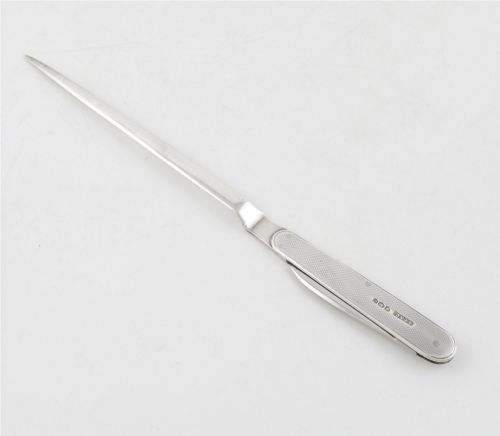
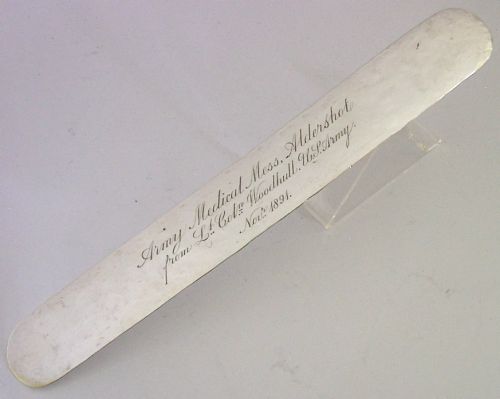
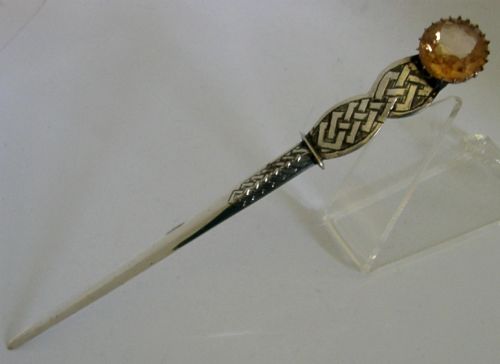
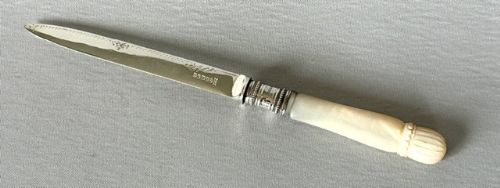
An antique silver paper opener, often catalogued as a letter opener or page turner, serves to slice folded envelopes and separate uncut book leaves. The examples found here span from the Georgian era through the Victorian and Edwardian periods into the Art Deco and mid-twentieth-century designs.
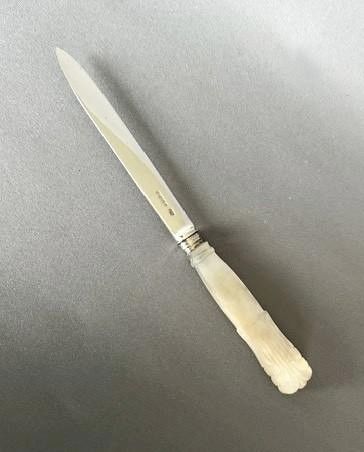
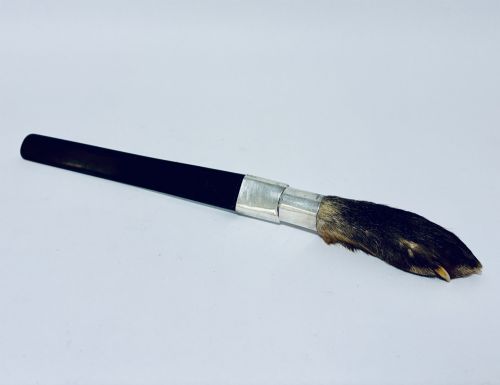
Most entries combine a sterling silver blade or mount with contrasting materials such as tortoiseshell, horn, mother-of-pearl, and agate. Longer page turners suited for reading sit alongside compact letter openers intended for correspondence and desk display.
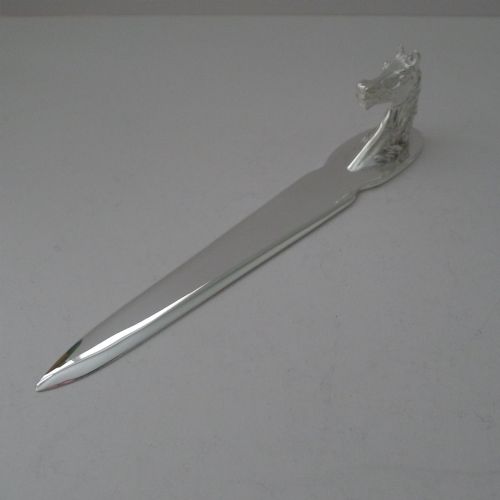
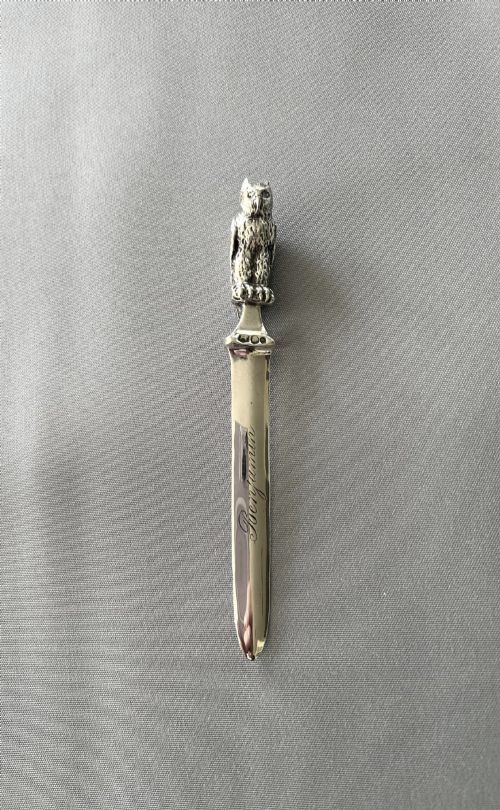
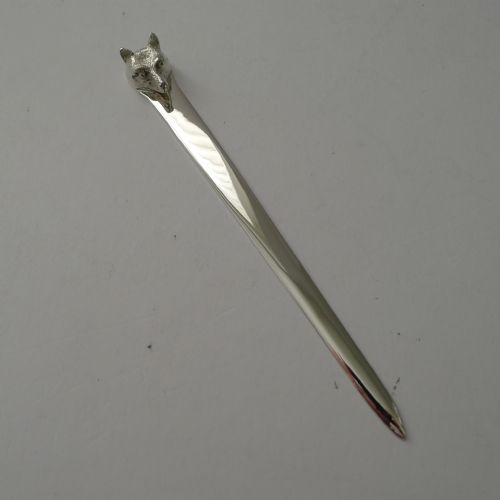
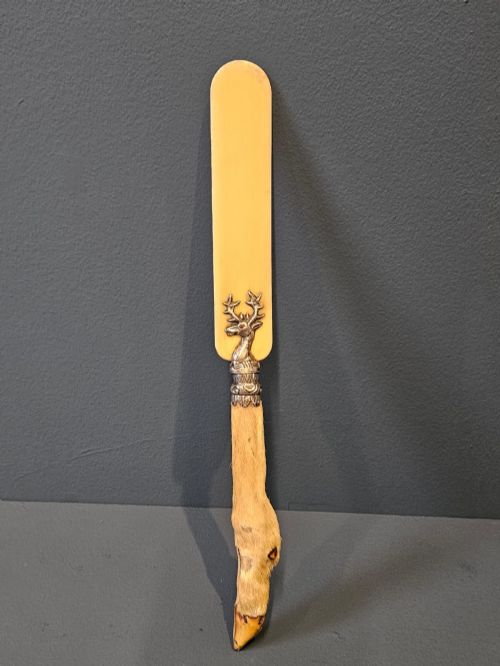
Regional British work appears alongside pieces from London, Birmingham, and Chester, reflecting diverse domestic manufacture. Novelty handles shaped as animals, including foxes, greyhounds, ducks, and owls, demonstrate the lighter side of desk accessories.
Judging Quality and Finish
Quality rests on the weight of the silver, the crispness of any engraved or cast detail, and the integrity of the handle material. Finer examples show careful balancing between the handle and the blade, ensuring the object feels stable and comfortable in the hand.
Novelty pieces depend upon the sculptural skill used to render animal forms, where realistic feather or fur texture elevates a functional tool into a display piece. The clarity of hallmarks and the precision of the fit between metal and organic material further distinguish superior production.
Antique Silver Paper Opener Retail Price Guide 2026
Typical asking prices for silver paper opener among the pieces listed under this phrase on Sellingantiques today, from the lower quarter to the upper quarter. They describe what is for sale here now, not the wider market.
Listings feature items spanning the Georgian, Victorian, and Edwardian eras, alongside Art Deco and mid-century modern examples.
The Barker Brothers·Moses Brent·Sampson Mordan and Co·A Barrett
The Antique Silver Paper Opener Glossary
- Page Turner
- A large desk implement designed to cut and separate the folded edges of uncut book pages. These typically feature extended blades of tortoiseshell, horn, or ivory paired with silver handles.
- Guilloche Enamel
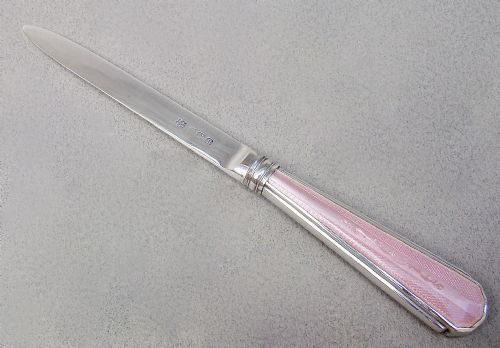
- A decorative technique where geometric patterns are mechanically engraved into metal before translucent enamel is applied over the top. This creates a lustrous, patterned colour effect seen on twentieth-century pieces.
- Sterling Silver
- An alloy consisting of ninety-two point five percent silver and seven point five percent other metals, usually copper. British pieces carry standard hallmarks to confirm this composition.
- Hallmark
- A set of official marks stamped onto precious metal items to guarantee purity, origin, and year of manufacture. These symbols provide a reliable guide to age and maker.
- Agate
- A form of chalcedony quartz showing coloured bands or cloudy inclusions, used to form decorative and tactile handles. Craftsmen polished these stones to highlight their natural patterns.
Antique Silver Paper Opener: Frequently Asked Questions
What is the difference between a letter opener and a page turner?
Letter openers are shorter handheld tools designed to slice open envelopes on a desk. Page turners are considerably longer implements originally made to cut the folded gatherings of newly printed books.
Both items frequently share silver blades and organic handles, leading makers to often use the terms interchangeably in historical catalogues.
How do I date an antique silver paper opener?
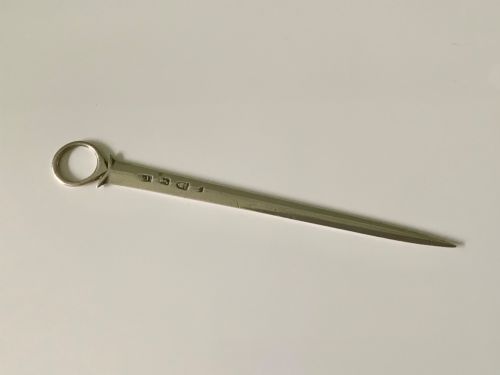
Dating relies primarily on the assay office hallmarks stamped directly onto the silver blade or mount. These marks include a date letter corresponding to a specific year alongside city symbols and maker stamps.
Stylistic cues such as Art Deco enamel or Victorian animal figures also help narrow the manufacturing period when hallmarks are rubbed.
Are these items made of solid silver?
Many examples feature solid sterling silver blades or handles, denoted by British hallmarks indicating standard silver purity. Other pieces combine silver mounts or handles with steel blades, or utilise silver plating over base metal.
Descriptions specify whether an item is solid sterling silver or mounted with silver elements over another core material.
How should I care for tortoiseshell and silver?
Silver requires occasional gentle cleaning with a soft cloth to manage natural tarnishing without wearing away delicate engraving. Tortoiseshell needs protection from direct sunlight, extreme heat, and harsh solvents which can dry or warp the material.
Keeping these pieces in a stable environment preserves the bond between the metal blade and the organic handle.