





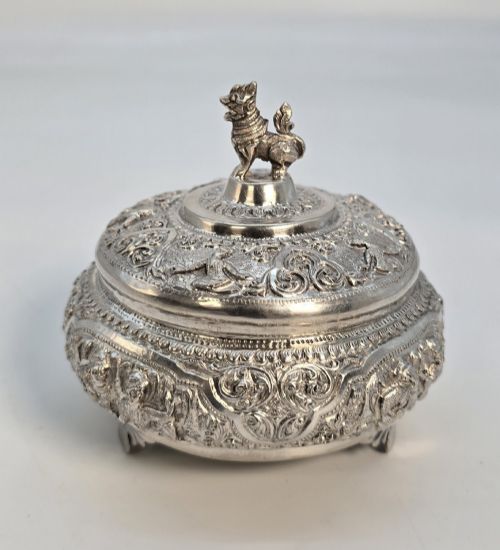
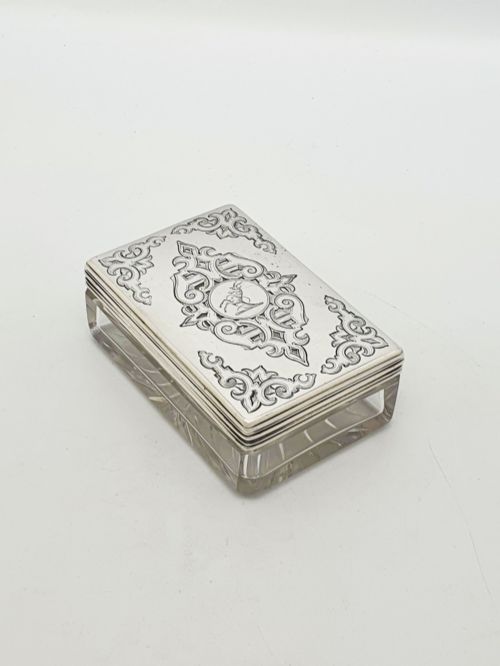


Antique Silver Lid Jar
These antique silver lid jars combine precious metal with glass, crystal or ceramic bodies to grace dressing tables and tea rooms.
Antique Silver Lid Jar
When you search for an antique silver lid jar, you encounter a diverse group of domestic containers designed for vanity, dining or display purposes. The forms span vanity jars, trinket boxes, scent bottles, biscuit barrels and tea caddies originating from Georgian, Victorian, Edwardian and Art Deco periods.
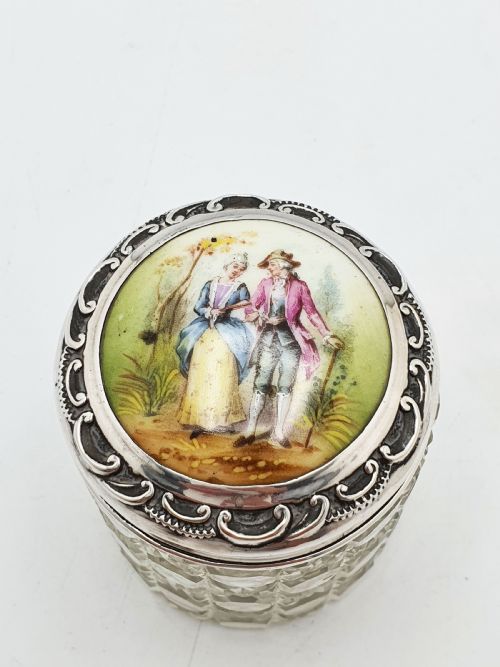
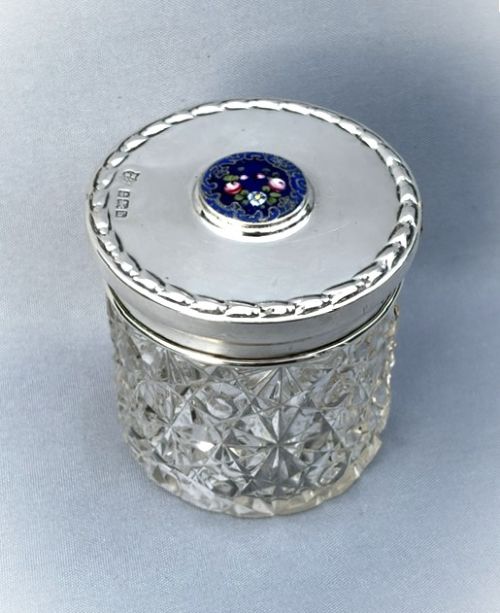
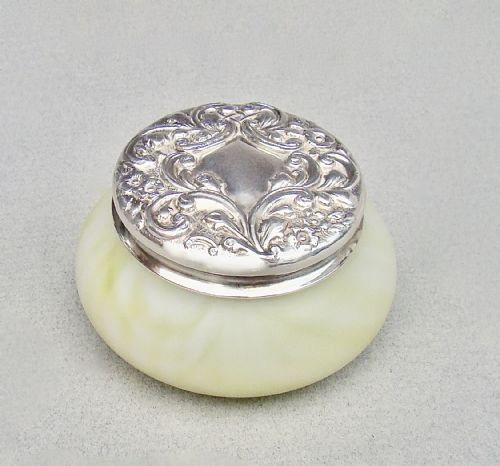
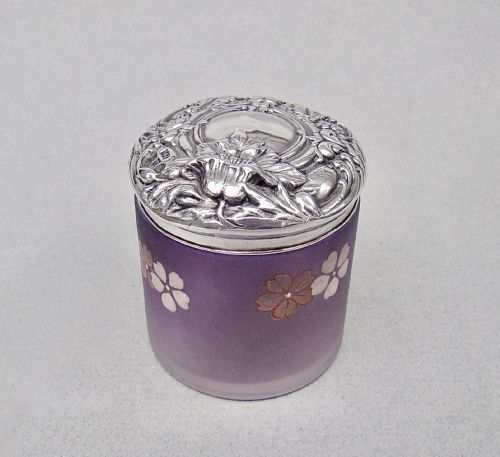
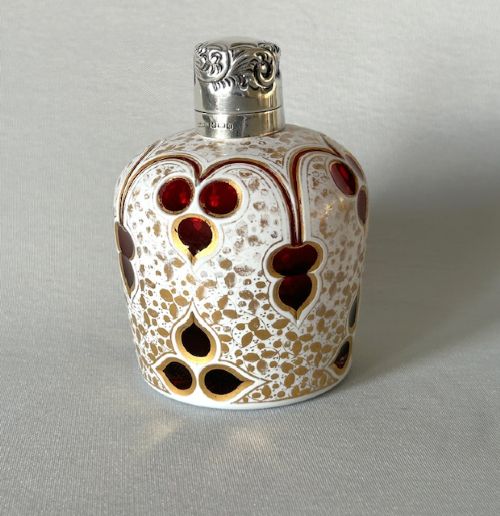
The most common examples on this page are Edwardian and Victorian glass vessels fitted with sterling silver mounts and removable covers. Many of these combine cut or coloured glass bodies with chased, embossed or plain silver lids intended for dressing tables.
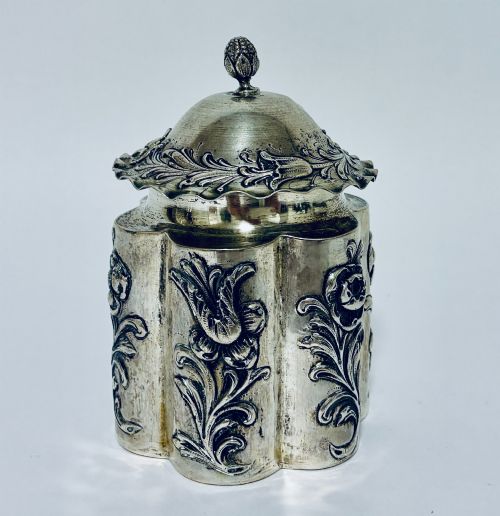
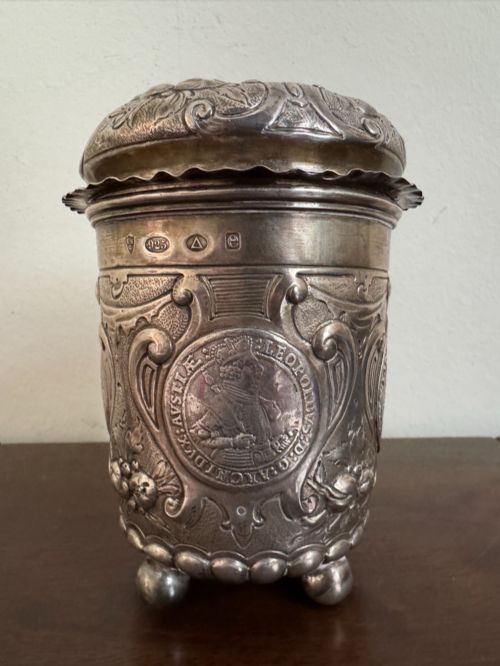
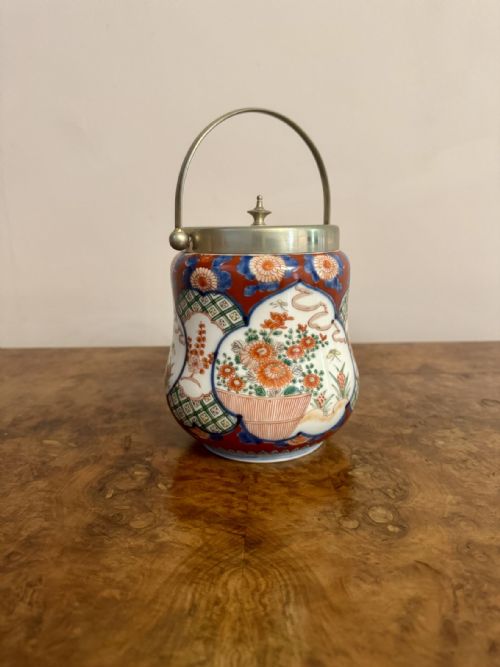
Other variations include Continental pieces, Raj period Indian silver jars and ceramic biscuit barrels with silver-plated mounts. Each iteration reflects the specific domestic habits of its era, from storing loose tea leaves to holding cosmetics.
Materials and construction
Makers paired sterling silver or silver plate with cut glass, cranberry glass, satin glass, ceramic and occasionally tortoiseshell or enamel. The metal lids were typically shaped by spinning, stamping or casting, then decorated with hand-chasing or engine-turned engraving.
Glass bodies were often heavy-cut to refract light or blown in distinct hues such as cranberry, amethyst and blue. Mounts were secured to the glass rims with specialised adhesives or tight mechanical collars, creating a robust seal for daily use.
Antique Silver Lid Jar Retail Price Guide 2026
Typical asking prices for silver lid jar among the pieces listed under this phrase on Sellingantiques today, from the lower quarter to the upper quarter. They describe what is for sale here now, not the wider market.
Assessing craftsmanship
Quality rests in the weight of the silver, the clarity of the glass and the precision of the fit between lid and body. Heavier gauge silver resists denting and permits deeper, sharper ornamentation from the silversmith.
Superior examples display crisp hallmarks, intricate hand-painted enamel work or high-relief repoussé detailing on the cover. The marriage between the metal mount and the glass or ceramic vessel should appear seamless and stable without excess cement.
A. J. Pepper & Co·A. Bromet & Co·Hasset & Harper·Ernest Druiff & Co·Omar Ramsden
The Antique Silver Lid Jar Glossary
- Sterling silver
- A silver alloy containing 92.5 percent pure silver and 7.5 percent other metals, usually copper, ensuring durability for domestic wares.
- Hallmark
- A series of official marks stamped on precious metals indicating the maker, assay office, standard of purity and year of manufacture.
- Biscuit barrel
- A covered ceramic, glass or metal container traditionally used for storing dry biscuits or crackers on the Victorian or Edwardian dining table.
- Guilloche enamel
- A decorative technique where translucent enamel is layered over mechanically engraved metal, creating repeating geometric patterns.
- Repoussé
- A metalsmithing method where the metal is hammered into relief from the reverse side to form decorative motifs.
Antique Silver Lid Jar: Frequently Asked Questions
What were silver lid jars used for originally?
These vessels held toiletries, cosmetics, loose tea leaves, sweetmeats or biscuits in domestic settings. Dressing table jars contained powders, pins and scents, while caddies and barrels preserved dry foods.
Over time, changing household routines shifted these objects from functional pantry and vanity items to decorative display pieces.
How do I date an antique silver jar?
The most reliable method is reading the hallmarks stamped onto the silver lid or mount. These marks identify the assay office and a specific date letter corresponding to the year of manufacture.
Stylistic cues such as Art Deco geometric lines, Edwardian cut glass or Victorian floral chasing also help narrow down the period of production.
How should I clean the silver and glass?
Clean the silver parts gently with a soft microfibre cloth and a mild silver polish designed to preserve antique patination. Avoid letting abrasive cleaners touch the glass mounts or any enamel and tortoiseshell panels.
Warm soapy water and a soft brush will clear dust from cut glass facets, provided the moisture stays away from adhesives inside the mounts.
Can I use these jars for daily storage?
Most antique jars remain sturdy enough for holding small modern trinkets, cotton wool or dry items on a dressing table. Glass and ceramic bodies tolerate gentle handling well.
For pieces featuring delicate enamel, tortoiseshell or thin antique glass, reserve them for display rather than robust everyday utility.