

Antique Silver Heart
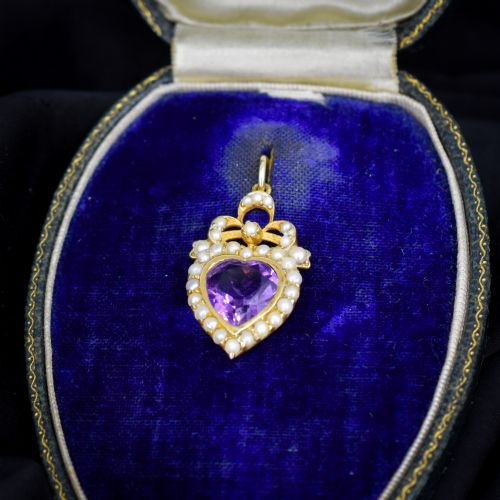
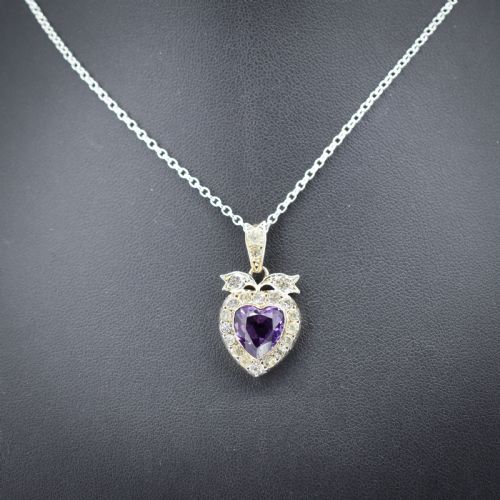
An antique silver heart brings romantic sentiment and domestic charm to your collection, spanning delicate personal pendants and sturdy Victorian trinket boxes.
Antique Silver Heart
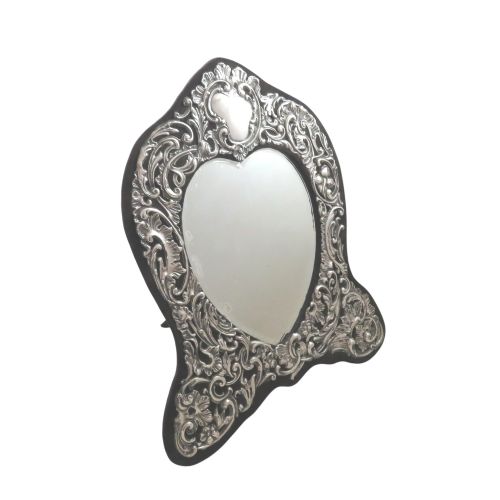
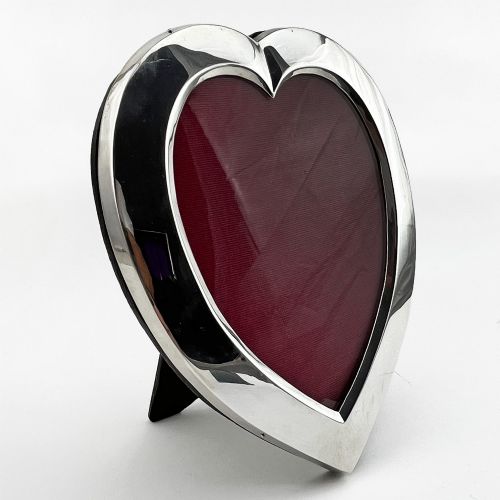
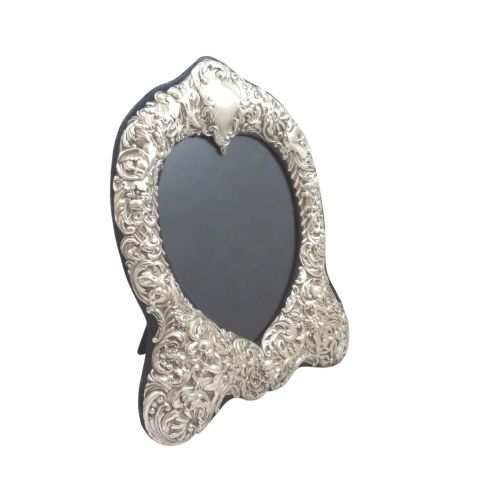
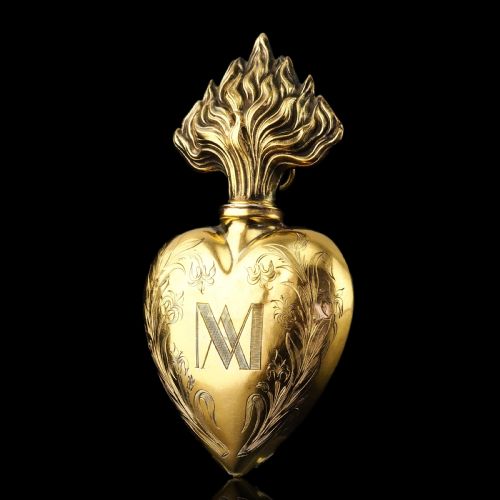
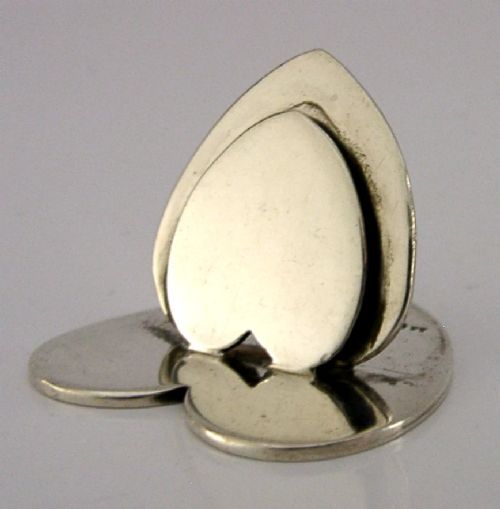
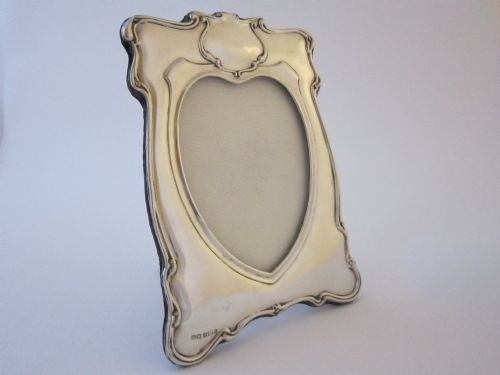
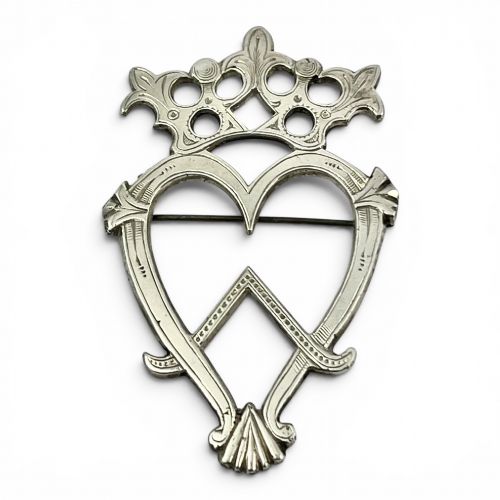
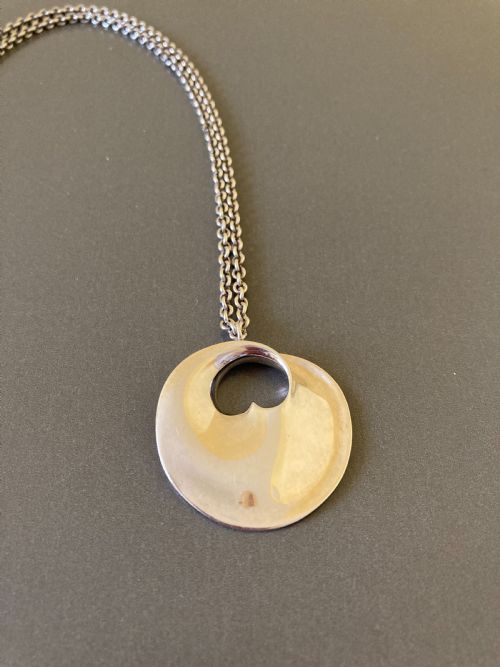
When you search for an antique silver heart, you encounter a range of personal accessories and decorative tabletop objects shaped around the enduring motif. These items span late nineteenth and early twentieth-century production, notably the Victorian and Edwardian periods.
Continental workshops and British makers alike produced these sentimental forms, utilising sterling silver, silver gilt, and glass alongside decorative elements like tortoiseshell. Collectors find both functional pieces, such as vesta cases and pin cushions, and purely decorative items.
How they were made
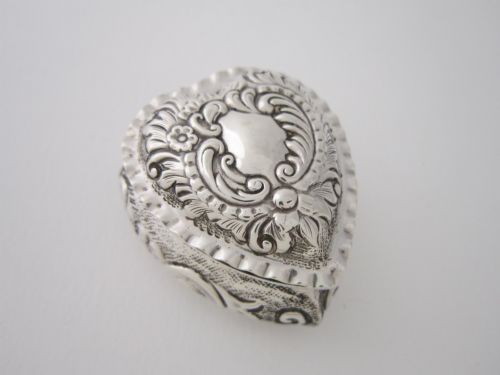
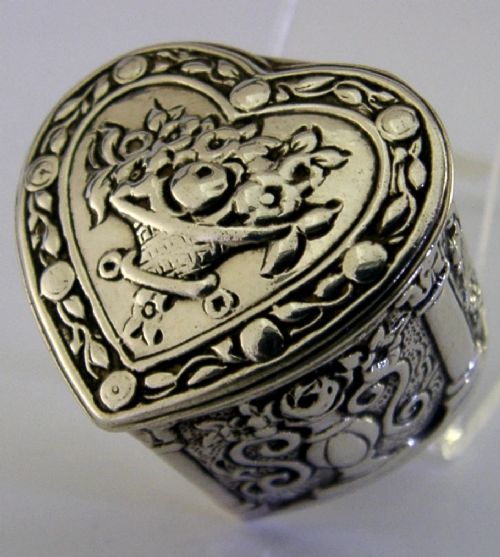
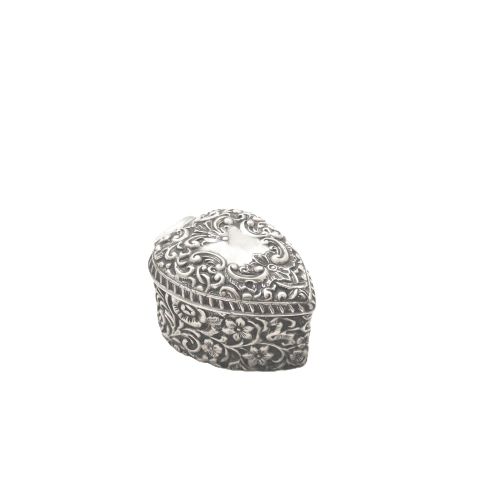
Silversmiths constructed boxes and frames using techniques like stamping, chasing, and piercing to shape thin sheets of sterling silver into rounded contours. Many hollowware items feature lined interiors of velvet or fabric to cushion jewellery and keepsakes.
Makers applied decorative finishes including vibrant enamel, niello inlay, and partial gilding over the silver surface to enhance visual depth. Cut glass and tortoiseshell were frequently mounted within silver bezels for inkwells, perfume bottles, and larger picture frames.
Listings span the Victorian, Edwardian, and George V eras, incorporating sterling silver, glass, velvet, enamel, and carnelian.
What varies in quality
The standard of an antique silver heart depends heavily on the crispness of the chased or pierced decorative motifs and the structural integrity of the hinges. Superior examples retain clear hallmarks, sharp detailing on repoussé work, and securely seated stones or enamel.
Pendants and small boxes demonstrate craftsmanship through the weight of the silver and the precision of the closure mechanism. Pieces bearing the marks of known silversmiths or specialised Continental export firms generally exhibit superior finishing.
William Comyns·Sampson Mordan·George Adam Scheid·Syner and Beddoes·Henry Matthews·George W Shiebler
The Antique Silver Heart Glossary
- Sterling silver
- A silver alloy containing 92.5 percent pure silver and 7.5 percent other metals, usually copper, to add durability. This standard is denoted by the lion passant hallmark on British items.
- Paste
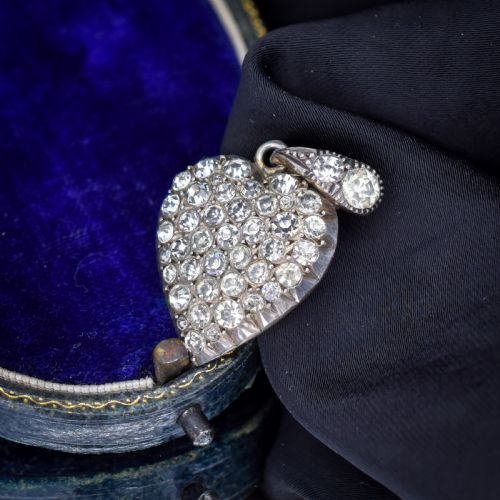
- Hand-cut lead glass used to imitate gemstones in antique jewellery. It provides high refractive brilliance in pendants and brooches.
- Repoussé
- A metalworking technique where the silversmith hammers the design from the reverse side to create a raised relief on the front. This method defines the ornamentation on many period trinket boxes and frames.
- Hallmark
- A series of official marks stamped on precious metals indicating the maker, assay office, and year of testing. These stamps provide verifiable provenance for British pieces.
- Vesta case
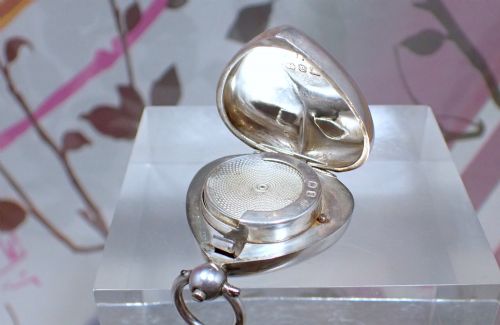
- A small pocket container designed to hold matches, frequently fashioned into heart silhouettes during the late nineteenth century. They rely on a spring-loaded hinged lid to keep the contents dry.
- Sovereign holder
- A compact cylindrical or shaped container engineered to store gold coin currency securely. Period examples often utilise hinged mechanisms and suspension loops for watch chains.
Antique Silver Heart: Frequently Asked Questions
How do I date an antique silver heart?
Dating relies primarily upon the legible hallmarks stamped into the metal by official assay offices, which indicate the specific year of testing for British items. Stylistic clues such as Art Nouveau sweeping lines or Victorian heavy chasing also help assign a decade.
Makers' marks provide further context by cross-referencing active registry dates for specific silversmiths and firms. Pieces lacking British hallmarks often require stylistic comparison to Continental or Indian export production methods.
Were heart trinket boxes used daily?
Victorian and Edwardian owners utilised these small lidded containers on dressing tables to store rings, pins, and visiting cards. The velvet or fabric linings protected delicate personal items from scratching against the metal base.
Larger variations functioned as desk accessories, holding stamps or small keepsakes rather than heavy daily wear items. Their survival in good condition suggests many were treated as cherished boudoir display pieces.
How should I clean antique silver?
Periodic dusting with a soft microfiber cloth prevents tarnish buildup on delicate chased surfaces and pierced work. Avoid abrasive dips or harsh commercial pastes that strip away the original patina and damage softer inset materials like enamel or tortoiseshell.
For pieces with fabric or velvet interiors, keep moisture away from the lining entirely during maintenance. Professional conservation is recommended for items featuring fragile paste settings or gilt surfaces.