

Antique Silver Handle
An antique silver handle brings weight and tactile presence to walking sticks, cutlery, and desk accessories across Victorian, Edwardian, and Art Deco periods.
Antique Silver Handle
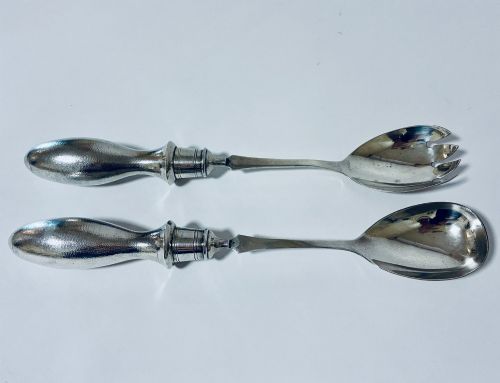
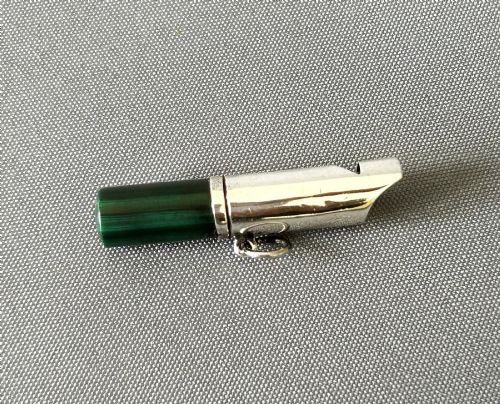
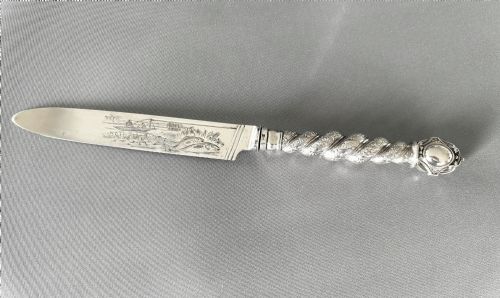
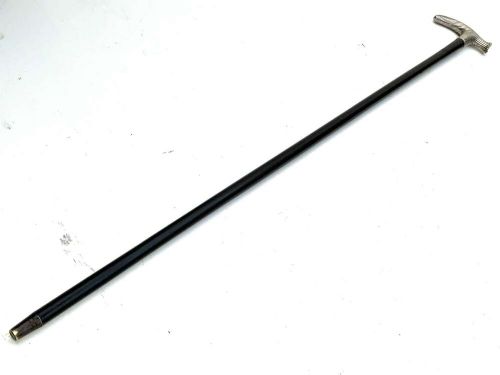
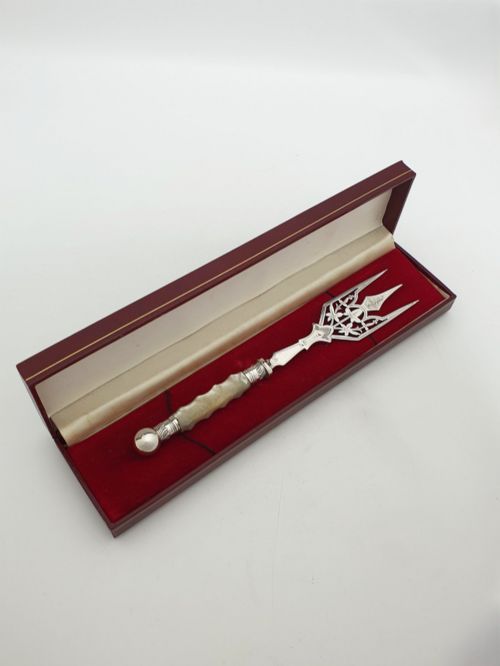
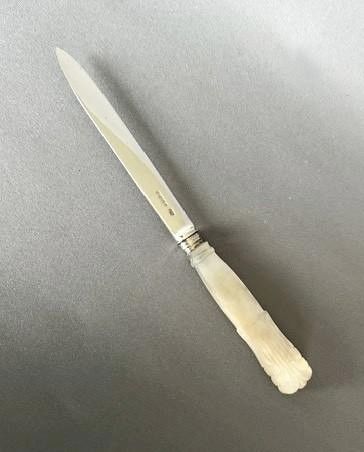
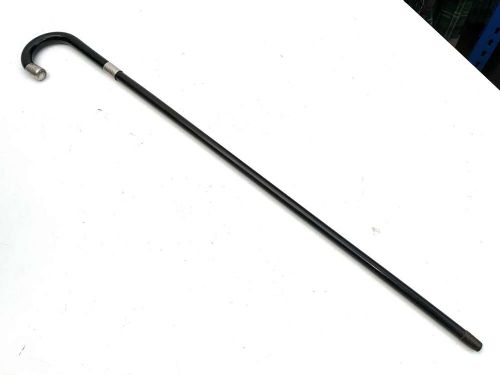
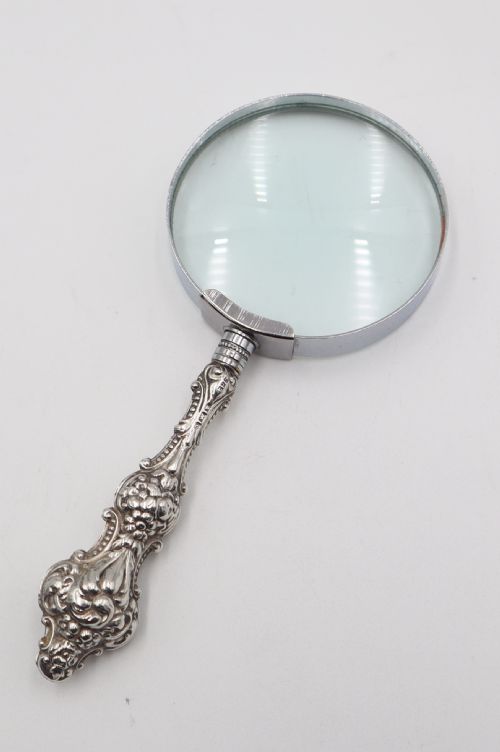
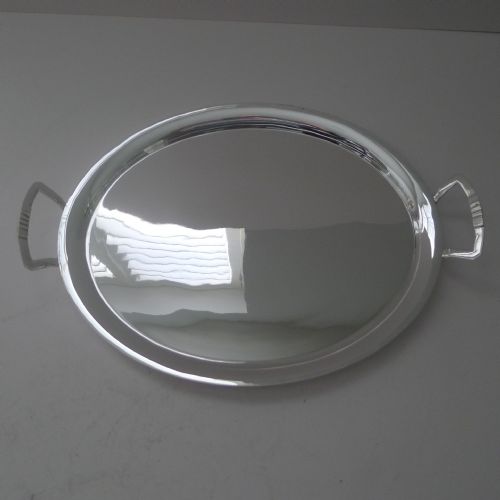
When searching for an antique silver handle, buyers encounter functional objects where precious metal forms the grip or mounting, spanning walking sticks, butter knives, fruit knives, and magnifying glasses. These pieces cross diverse forms, from Edwardian tea services and Georgian toddy ladles to walking canes topped with silver animal heads.
The selection ranges across several centuries, encompassing Georgian, Victorian, Edwardian, Art Deco, and mid-century modern design. Materials shift beyond silver itself, incorporating wood, glass, steel, copper, brass, jade, and mother-of-pearl alongside solid sterling silver and silver plate.
Materials and construction
Silversmiths shaped these handles using traditional methods including casting, hammering, and repoussé work, frequently mounting the metal components onto wooden shafts, glass vessels, or steel blades. Sterling silver, silver plate, and lower-purity silver alloys appear alongside supporting elements like mother-of-pearl, oak, and jade.
Maker marks, hallmarks, and date letters stamped into the metal provide clear records of origin, detailing the assay office and year of production from Georgian workshops to mid-century studios.
Antique Silver Handle Retail Price Guide 2026
Typical asking prices for silver handle among the pieces listed under this phrase on Sellingantiques today, from the lower quarter to the upper quarter. They describe what is for sale here now, not the wider market.
Listings feature items from the Georgian period through the nineteen-fifties, utilising materials including sterling silver, silver plate, glass, wood, steel, copper, and brass.
Determining quality in silver handles
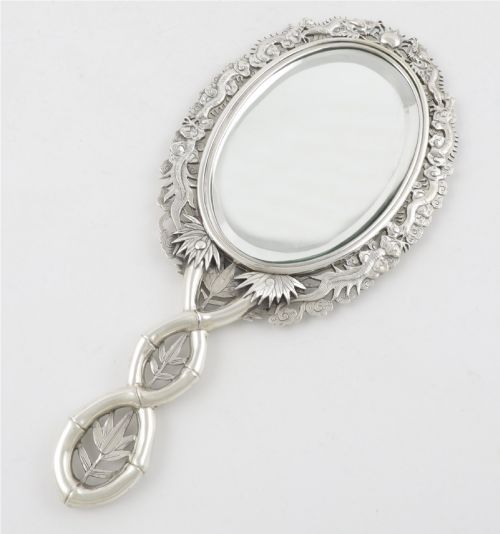
Quality rests upon the crispness of the chased or cast detail on the handle, whether depicting an Art Nouveau floral motif, a sculptural animal head, or clean geometric Art Deco lines. Substantial gauge metal and secure attachment to the underlying cane, blade, or glass body distinguish superior execution from lighter, purely decorative alternatives.
The integrity of the hallmarks and the preservation of the original surface finish, including hand-planished facets or polished silver plate, indicate the level of craftsmanship invested in the piece.
Edward Souter Barnsley·Mappin & Webb·Keith Murray·James Deakin·Nathan & Hayes·Martin Hall & Co·R E Stone
The Antique Silver Handle Glossary
- Hallmark
- Official stamps struck into precious metal indicating the maker, purity, assay office, and year of manufacture. These marks allow collectors to date pieces precisely.
- Sterling silver
- An alloy consisting of pure silver and other metals, usually copper, achieving a standard fineness of ninety-two point five percent. This alloy provides durability for functional items while retaining a bright lustre.
- Quaich
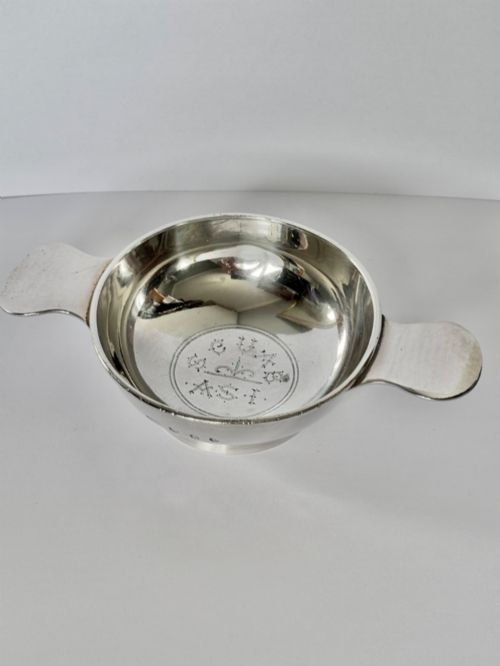
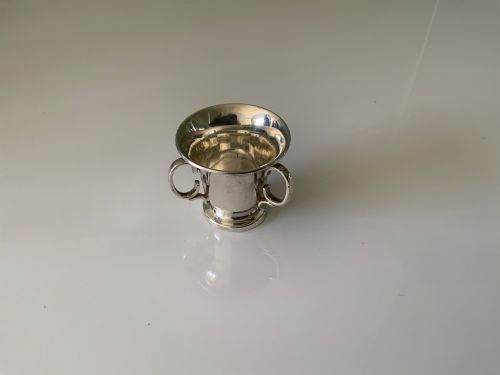
- A traditional shallow two-handled drinking vessel originating in Scotland, often rendered in silver with decorative handles. Collectors encounter these across Edwardian and mid-century periods.
- Repoussé
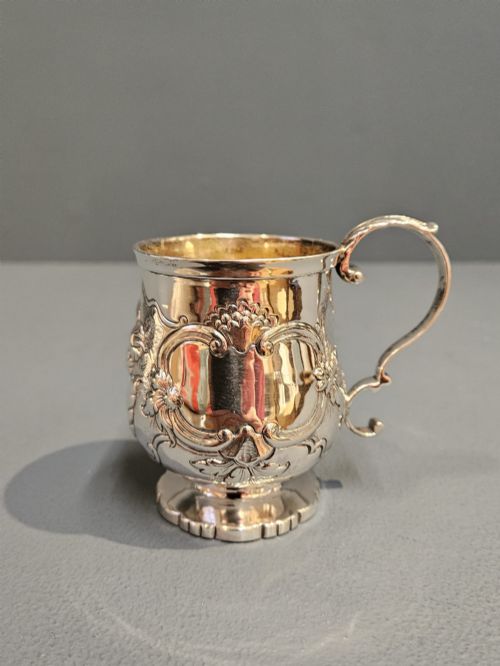
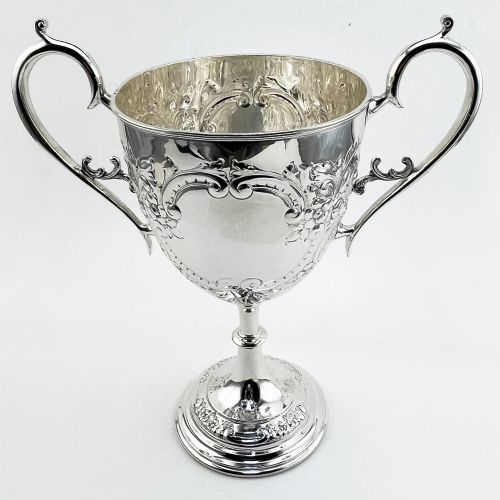
- A metalworking technique where the artisan hammers the metal from the reverse side to form a raised design in relief. It appears frequently on decorative handles and bowls from the Victorian and Edwardian eras.
Antique Silver Handle: Frequently Asked Questions
What periods do these silver handles come from?
The listings span the Georgian, Victorian, Edwardian, and Art Deco eras, extending through the mid-twentieth century.
Pieces frequently display stylistic traits specific to these decades, from ornate Victorian floral work to geometric Art Deco lines.
How do I identify the silver content?
British pieces feature hallmarks denoting sterling standard alongside assay office marks and date letters.
Continental items may show alternative numerical purity standards such as eight hundred silver.
What objects feature these silver handles?
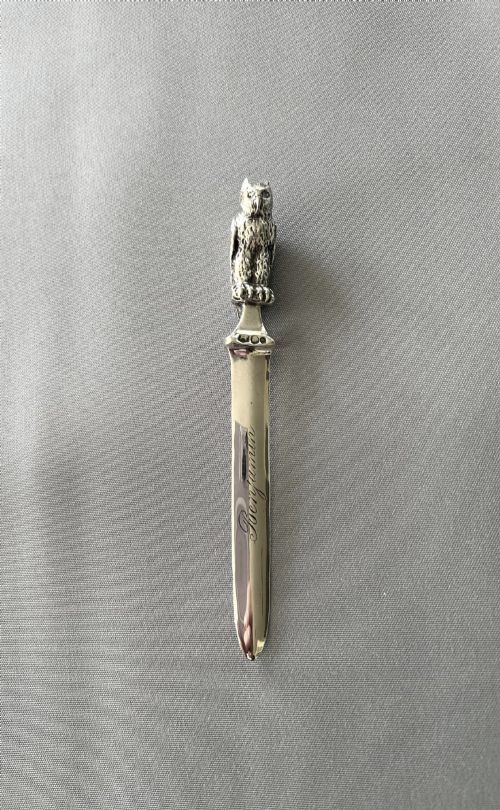
Silver handles appear on walking sticks, canes, fruit knives, butter knives, magnifying glasses, and serving pieces.
Many of these items combine silver grips with materials like wood, mother-of-pearl, glass, or steel.
How should I care for antique silver handles?
Gentle cleaning with a soft cloth helps preserve the patination and delicate chased details without wearing down the metal.
Avoid harsh chemical dips, particularly on items combining silver with organic materials like wood, jade, or mother-of-pearl.