
Antique Silver Gold Jewellery
Antique silver gold jewellery brings together precious metals and stones across Georgian, Victorian, Edwardian and Art Deco periods.
Antique Silver Gold Jewellery
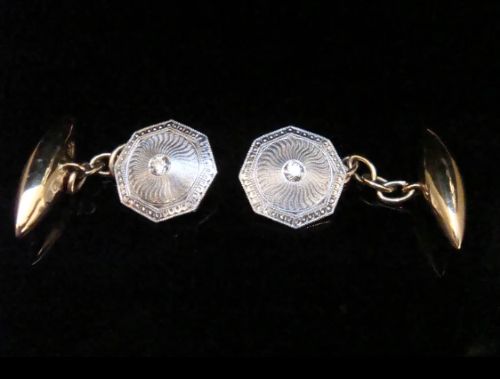
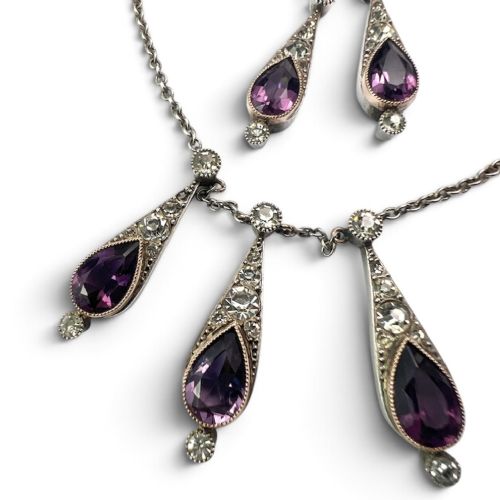
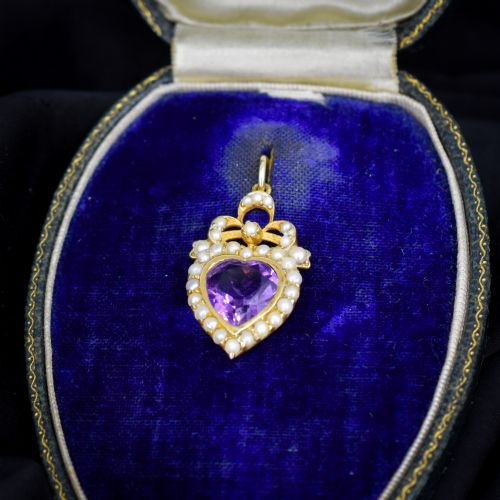
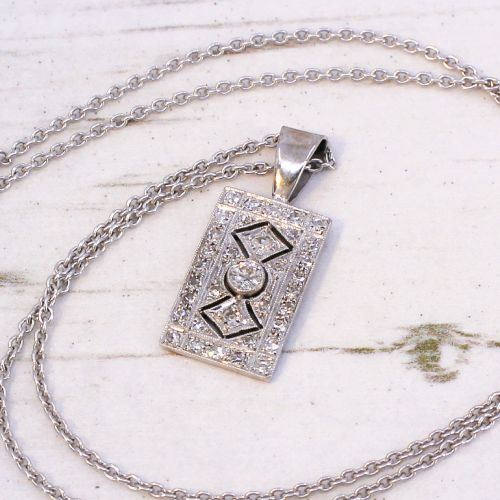
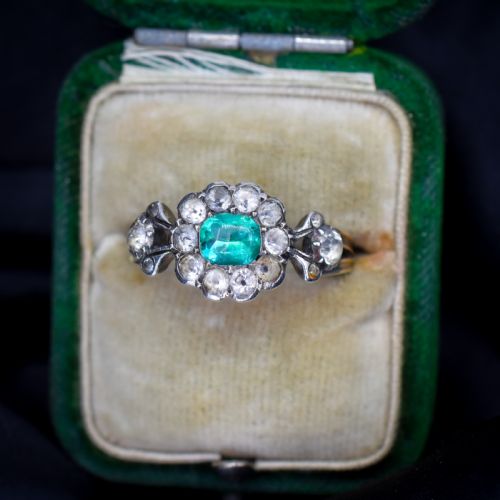
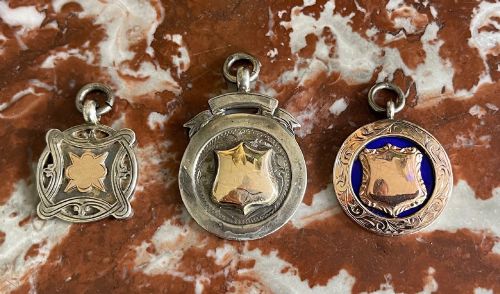
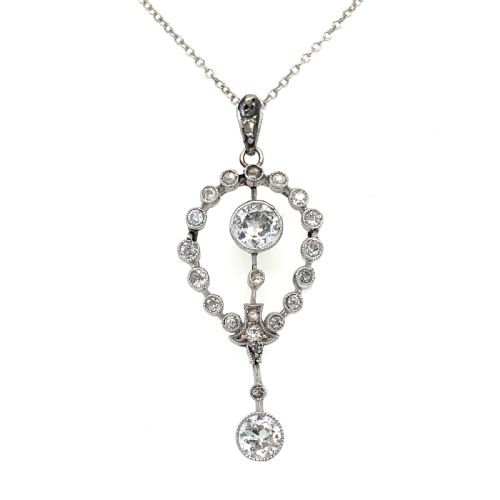
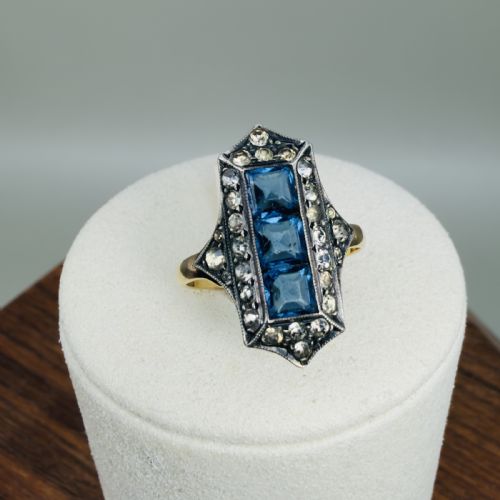
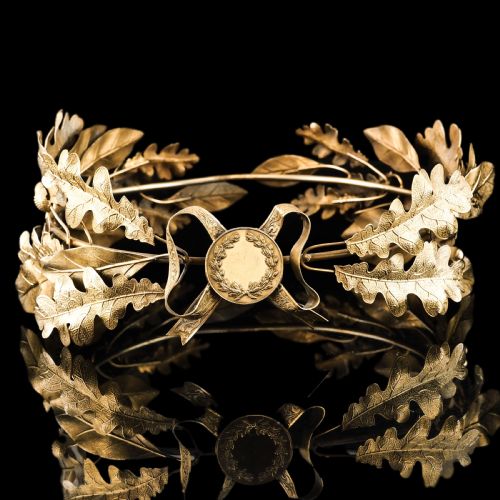
Antique silver gold jewellery comprises rings, brooches, pendants, earrings and bangles spanning the Georgian era through to the Art Deco period. These dual-metal pieces utilise a silver front to reflect light off diamond and paste stones whilst retaining the warmth of gold beneath or behind.
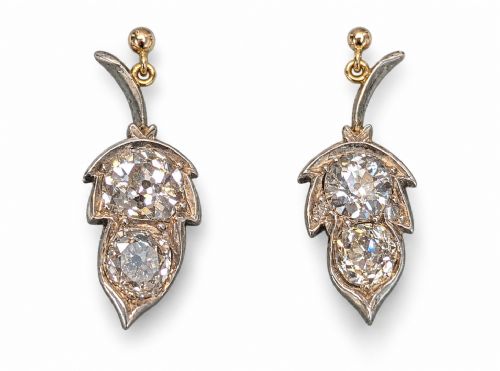
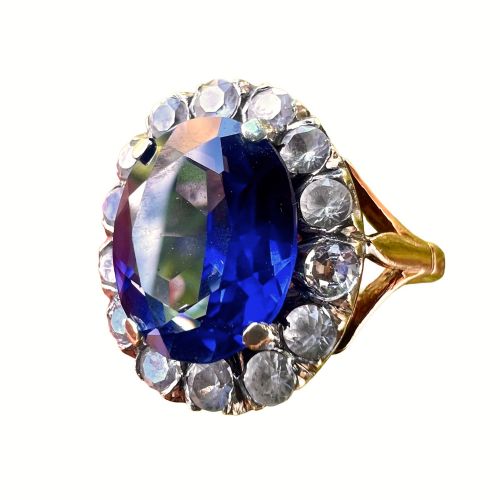
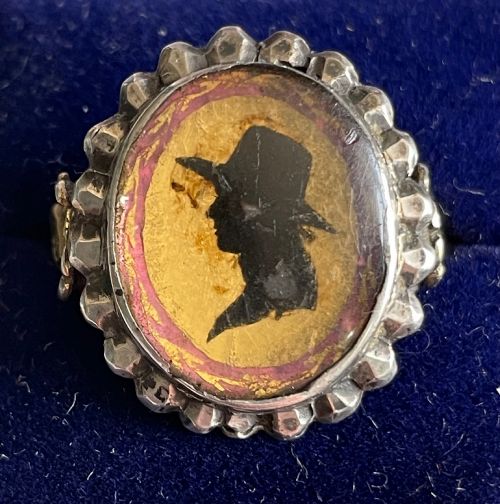
The selection ranges from early nineteenth-century paste cluster rings to Edwardian diamond drop earrings and 1920s pendants. Buyers encounter specific forms like winged bird cuff bangles, silhouette rings and enamel lockets alongside classic diamond clusters.
How they were made
Craftsmen combined silver and gold within a single setting, mounting stones in silver over a supportive gold backing to preserve metal colour and prevent tarnishing against skin. Diamond, sapphire, ruby and paste stones were hand-cut into old mine, rose or baguette shapes and secured with claw or foil-backed settings.
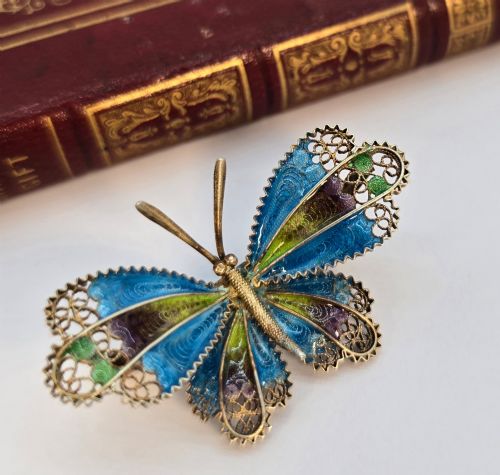
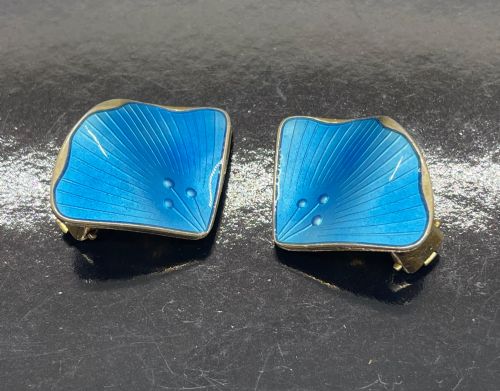
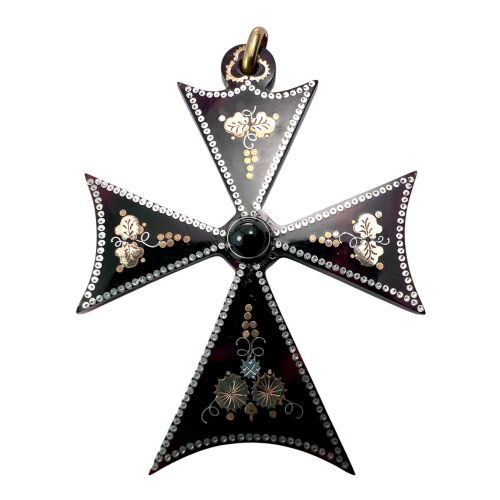
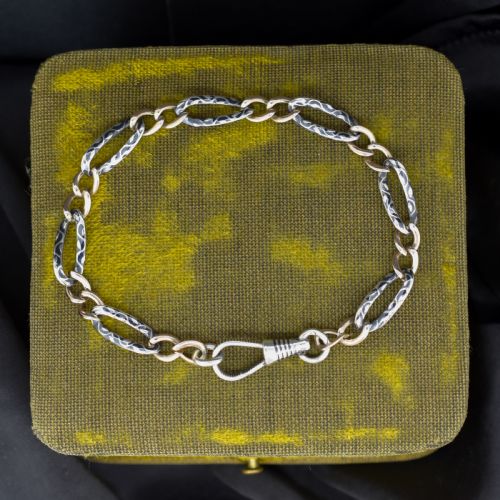
Surface ornamentation involved niello inlay, enamel work, mother of pearl pique and detailed stamping for foliate motifs. Pieces such as propelling pencils and charm rings incorporate mechanical joints and split rings alongside traditional soldered links.
Materials span sterling silver, 9ct, 15ct and 18ct gold alongside diamonds, turquoise, enamel and mother of pearl.
What varies in quality
Quality rests in the precision of the dual-metal integration and the integrity of the stone settings. Superior examples display crisp chasing on gold and silver mounts without distortion around delicate claws.
The grade of hand-cut diamonds, genuine sapphires or matched paste stones dictates refinement. Intricate decorative elements like enamel portraits, micro-mosaic work or fitted clasps demonstrate higher workshop skill.
Knoll and Pregizer·Goldsmiths and Silversmiths Co
The Antique Silver Gold Jewellery Glossary
- Silver gilt
- Silver that has been coated with a thin layer of gold. This technique provides the appearance of solid gold while utilising a silver base.
- Paste
- Hand-cut glass used as a gemstone substitute in historical jewellery. High-grade paste is faceted and foiled to mimic diamonds, rubies or sapphires.
- Pique
- A method of inlaying tiny pins of gold or silver into tortoiseshell or other organic materials. It creates intricate geometric or floral patterns.
- Niello
- A black metallic alloy used as an inlay on engraved silver. It creates sharp contrast against the bright metal surface.
- Old cut
- A precursor to the modern brilliant diamond cut, characterised by a smaller table, higher crown and larger culet. These stones were hand-faceted to catch candlelight.
Antique Silver Gold Jewellery: Frequently Asked Questions
Why use both silver and gold?
Combining silver and gold allowed makers to set white diamonds against a bright silver face while using gold for structural strength and skin contact.
This method persisted before platinum became common for mounting gemstones.
How do I date these pieces?
Dating relies on stone cuts, mounting styles and motifs associated with Georgian, Victorian, Edwardian and Art Deco eras.
Hand-cut old mine diamonds and closed-back settings point to earlier periods, whereas geometric lines indicate the 1920s.
How should I clean my jewellery?
These pieces require gentle maintenance using a soft dry cloth to protect delicate foils and enamel work. Water and harsh chemicals can damage the backing materials behind stones.
Store items separately to prevent metal friction on softer gold and silver surfaces.