




Antique Silver Fittings
These antique silver fittings bring refined metalwork and illumination to a room, ranging from grand chandeliers to detailed desk accessories.
Antique Silver Fittings
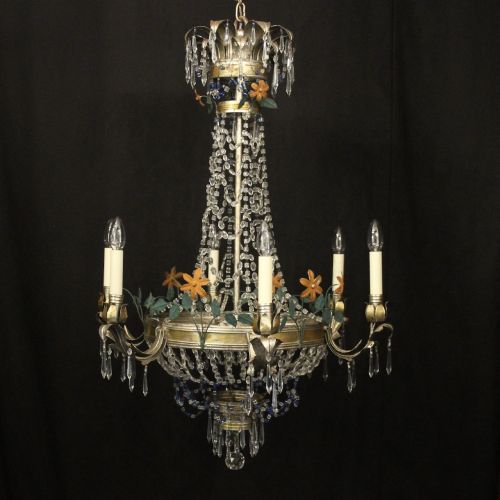
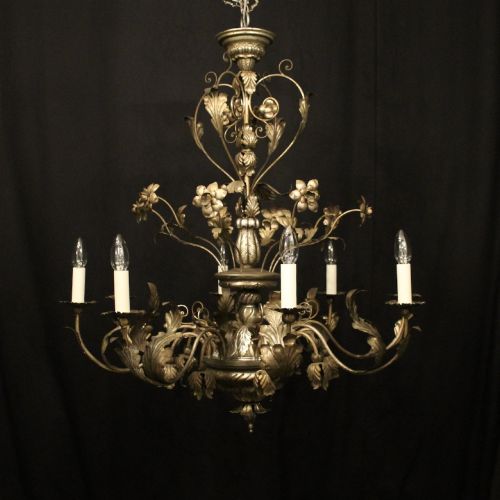
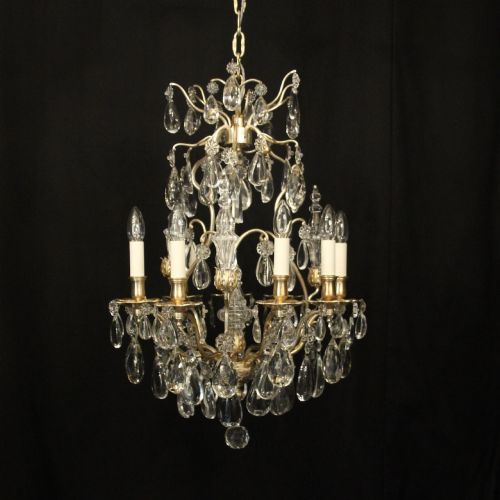
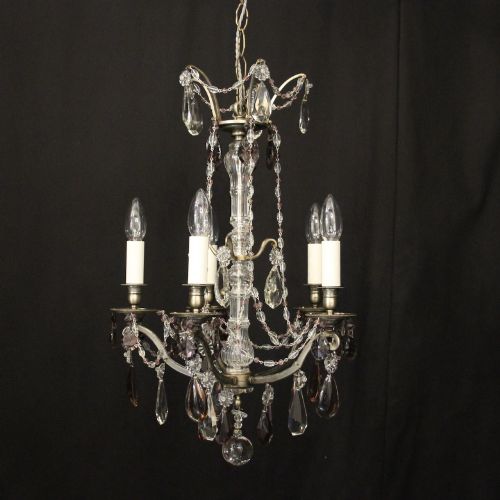
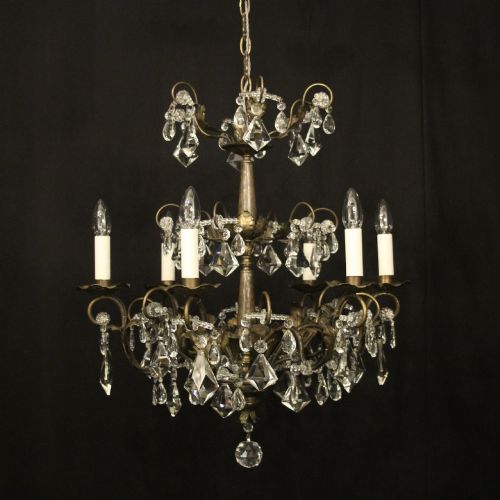
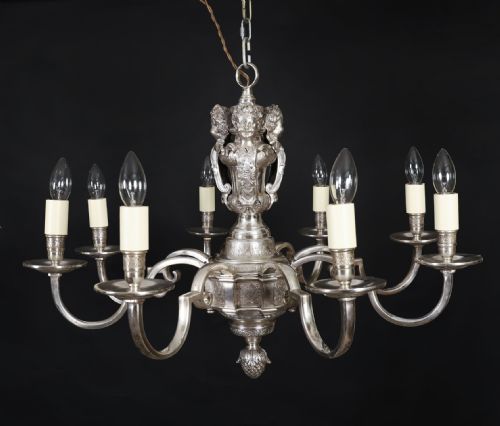
When you search for antique silver fittings, you encounter a varied assortment of hardware, lighting components, and decorative metalwork spanning the nineteenth and twentieth centuries. The selection leans heavily toward large lighting fixtures, notably multi-armed chandeliers from French and Italian workshops.
Beyond ceiling lights, the inventory includes silver-plated table lamps, wall sconces, pendant lights, and smaller items such as whistles, etuis, taps, and display cabinets. These pieces cross multiple design movements, including Victorian, Edwardian, Art Deco, and Neoclassical styles.
Materials and construction
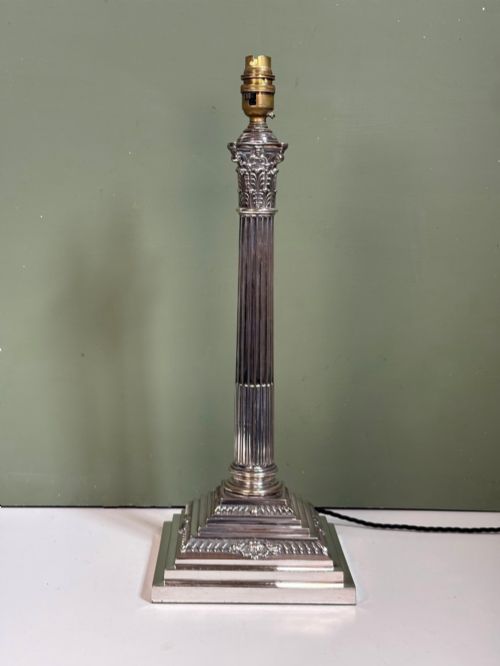
The physical construction relies on base metals finished with silver plating, silver gilt, or silvered bronze, often paired with cut crystal, glass, and brass elements. Workshops utilised casting, hand-chasing, and plating techniques to achieve reflective surfaces on chandeliers, wall lights, and columnar lamps.
Fittings from the Georgian and Victorian eras utilise traditional hand-assembled methods for items like etuis and whistles, while later twentieth-century pieces incorporate chrome, aluminium frames, and moulded glass components typical of Art Deco manufacturing.
Antique Silver Fittings Retail Price Guide 2026
Typical asking prices for silver fittings among the pieces listed under this phrase on Sellingantiques today, from the lower quarter to the upper quarter. They describe what is for sale here now, not the wider market.
Listings span from the mid-eighteenth century through the Art Deco era, encompassing brass, crystal, chrome, and silver-plated copper.
Judging quality
Quality rests in the crispness of the metal casting, the depth of the silver gilt or plating, and the integration of crystal drops or glass shades. Pieces produced by established makers or specific regional workshops display superior weight, balanced proportions, and fine detail work in the chasing.
Condition and originality dictate the standing of a fitting, particularly regarding the preservation of original silver surfaces and complete crystal or glass configurations. Altered wiring or stripped plating detracts from the integrity of lighting fixtures and hardware.
Harrison Brothers & Howson·Walter Latham & Son·Kenrick & Sons
The Antique Silver Fittings Glossary
- Silver gilt
- Silver that has been coated with a thin layer of gold on its surface. This technique provides a warm, two-tone metallic appearance seen on many continental chandeliers.
- Etui
- A small ornamental case used for holding needles, cosmetics, or small implements. Georgian examples often contain fitted interior tools.
- Corinthian column
- A classical architectural column style featuring an ornate capital decorated with acanthus leaves. This form frequently shapes nineteenth-century table lamps.
- Silver plate
- A layer of silver bonded to a base metal such as copper, brass, or nickel. It offers the appearance of solid silver at a different scale of production.
- Wall sconce
- A lighting fixture fixed to a wall that uses brackets to support candles or electric bulbs. Examples in the evidence span Victorian and later periods.
Antique Silver Fittings: Frequently Asked Questions
How do I clean antique silver fittings?
Dust surfaces gently with a soft cloth to protect silver plating or gilt finishes from abrasive wear. Avoid harsh chemical dips that strip historical patination from the metal.
For glass and crystal components, use a mild soapy solution and dry immediately. Keep moisture away from internal electrical fittings on restored lamps and chandeliers.
Are these chandeliers wired for modern use?
Many lighting fixtures originate from periods before modern electrical standards were established. Some retain older wiring or require professional rewiring to meet current safety codes.
A qualified electrician can adapt most antique frames to accept standard contemporary bulbs without altering the exterior metalwork.
How do I identify a Victorian fitting?
Victorian pieces often display revival aesthetics, such as Corinthian columns, heavy silver plating on base metals, or Mughal-inspired wall sconces. Construction techniques from this era favour solid assembly and ornate, hand-finished detailing.
Look for maker marks, registration stamps, or stylistic cues typical of the mid-to-late nineteenth century to confirm the period.
What rooms suit silver wall sconces?
Wall sconces provide ambient or accent illumination in hallways, dining rooms, and living spaces. Their reflective silvered surfaces help bounce natural and artificial light around smaller interiors.
Pairing matching pairs on either side of a mirror or architectural feature balances the visual weight of the room.