


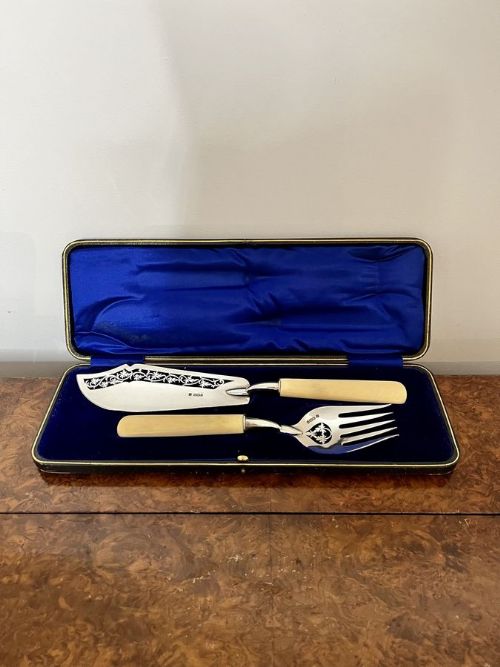
Antique Silver Fish Box
An antique silver fish box brings the sea into the pocket, crafted as a miniature creature or chased with aquatic scenes to delight collectors.
Antique Silver Fish Box
When you search for an antique silver fish box, you encounter small containers shaped like aquatic creatures or fashioned for the dining table and desk. These pieces span periods from the Georgian era through the Edwardian years and the mid twentieth century, reflecting varied social rituals.
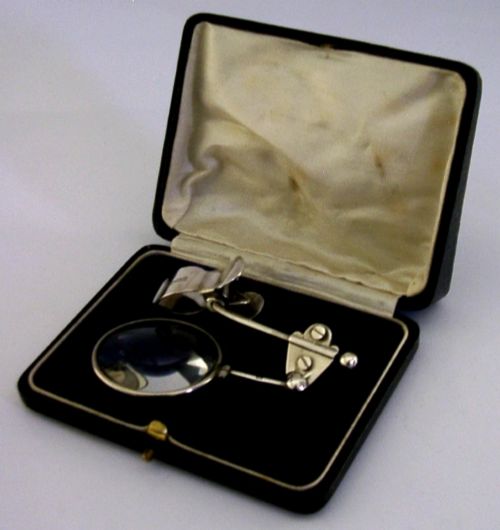
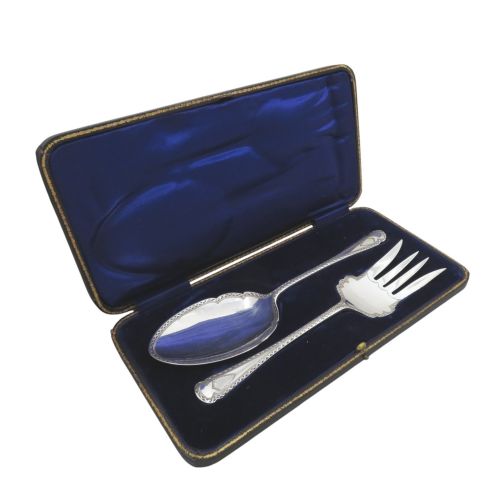
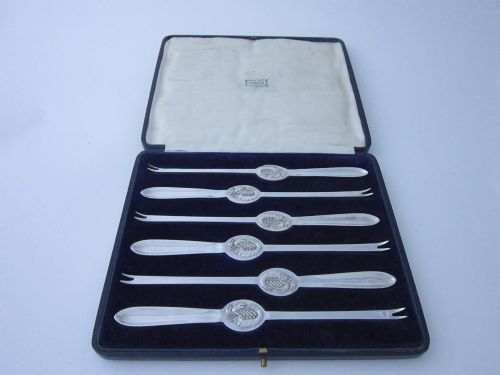
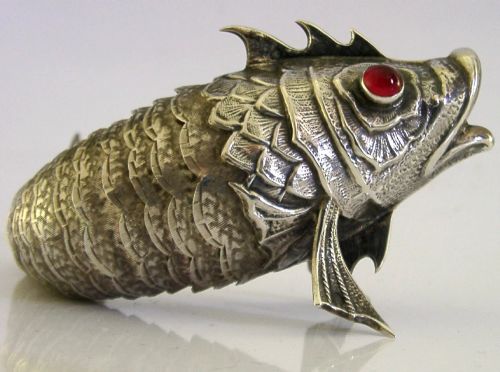
The objects on this page range from novelty snuff boxes and spice boxes with articulated bodies to fitted cases for serving cutlery and cigarette boxes with enamel details. Many examples hail from British workshops, alongside continental pieces and Chinese export silver.
Materials and Technique
Silversmiths shaped these boxes using sterling silver, silver plate, and occasionally silver gilt, employing techniques such as casting, chasing, and engraving to render scales and fins. Articulated models feature hinged sections that allow the body to flex realistically.
Craftsmanship and Detail
Quality rests upon the crispness of the chasing and the complexity of the engineering in articulated joints. Superior boxes display finely delineated scales and secure, smoothly operating hinges that keep the head and body aligned.
The presence of crisp hallmarks, well-preserved interior linings, and intact enamel work separates finer examples from standard production pieces. Boxes retaining original fitted cases demonstrate greater desirability among collectors.
The Antique Silver Fish Box Glossary
- Articulated
- Constructed with flexible joints that allow the body of a metal fish to wiggle. This mechanical feature requires precise metalworking to ensure durability.
- Vinaigrette
- A small hinged box containing a pierced grille, designed to hold a sponge soaked in aromatic vinegar. These were carried in pockets or reticules during earlier centuries.
- Spice box
- A small container utilised for holding culinary spices at the table or for personal use. They often feature multiple compartments or hinged lids.
- Sterling silver
- An alloy consisting of silver and other metals, usually copper, meeting a specific fineness standard. British pieces commonly bear the lion passant mark to indicate this standard.
- Silver plate
- A base metal coated with a layer of pure silver through electroplating or older techniques. This method offered an accessible alternative to solid silver.
Antique Silver Fish Box: Frequently Asked Questions
What is an antique silver fish box?
An antique silver fish box is a small container shaped like a fish or decorated with marine motifs, produced in sterling silver, silver plate, or silver gilt. These items functioned as snuff boxes, spice containers, or trinket boxes during the Georgian, Victorian, and Edwardian periods.
Craftsmen often designed them with articulated bodies and hinged heads, combining mechanical ingenuity with decorative metalwork. Collectors value them for their whimsical forms and intricate detail.
How were fish snuff boxes used?
Fish snuff boxes served to hold dry powdered tobacco, known as snuff, which users consumed by inhaling it through the nose. The articulated body allowed the box to flex slightly in the pocket.
These pieces were social accessories among the wealthy during the eighteenth and nineteenth centuries. Their unusual shapes often sparked conversation in polite company.
How do I date an antique silver box?
Dating an antique silver box involves examining the hallmarks stamped into the metal, which indicate the assay office, the year of production, and the silversmith's mark. British silver relies on date letters that change annually.
Stylistic cues such as Victorian chased floral borders or Edwardian minimalism also help narrow the period. Comparing construction techniques provides further context for pieces lacking clear marks.
Are fish spice boxes rare?
Fish spice boxes appear less frequently than standard rectangular or circular boxes because their specialised shape required advanced silversmithing skills. They were produced in smaller numbers for specific markets.
Examples featuring fully articulated segments or intricate chasing attract strong interest from silver collectors. Their survival rate depends heavily on the durability of the tiny hinges over generations.
How should I care for silver boxes?
Silver boxes require gentle cleaning with a soft cloth to remove dust and tarnish without abrading the fine surface details or enamel work. Avoid harsh chemical dips, particularly on pieces with articulated joints or delicate interior linings.
Store them in a stable environment away from excessive humidity to protect velvet or silk components in fitted cases. Handling them with clean hands prevents oils from accelerating tarnishing.