

Antique Silver Filigree
These delicate pieces of antique silver filigree trade in twisted threads of metal soldered into intricate lace patterns.
Antique Silver Filigree
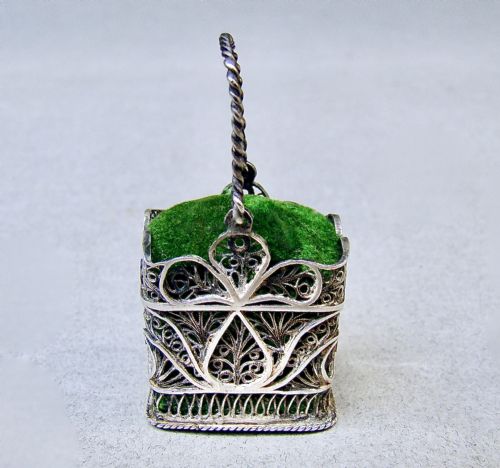
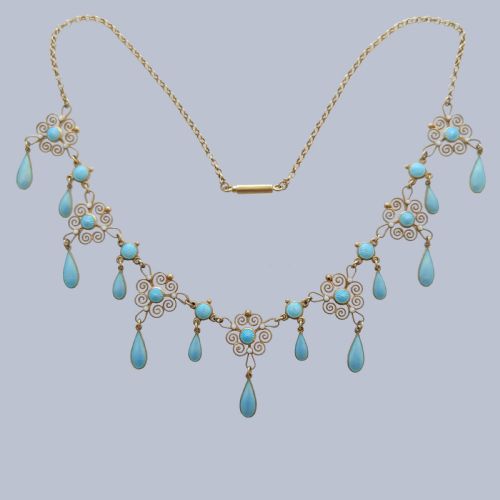
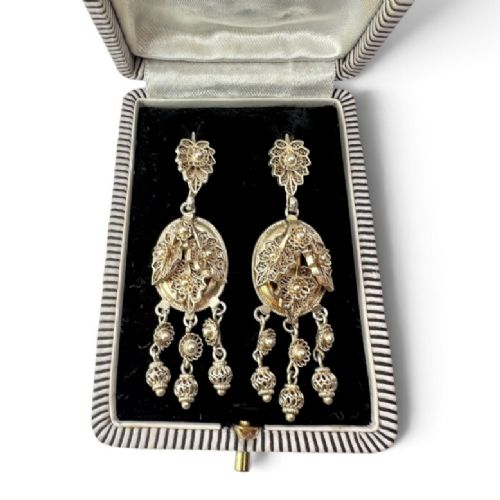
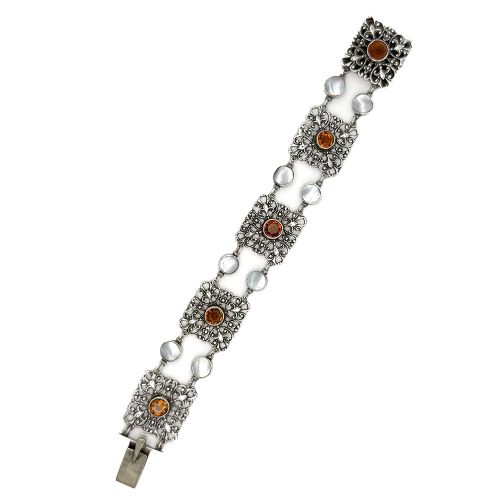
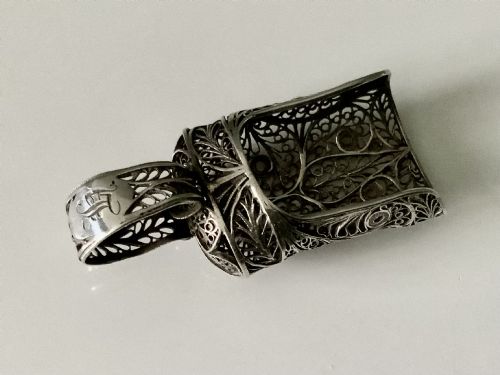
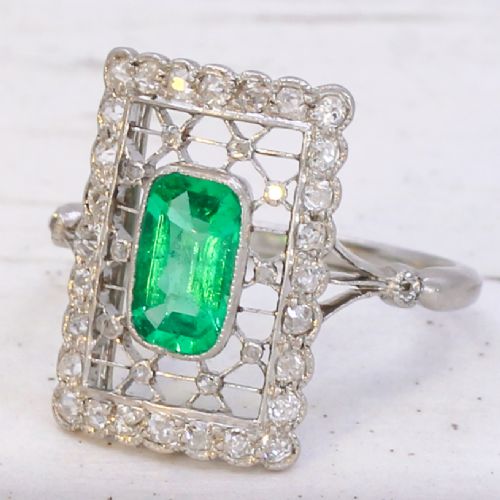
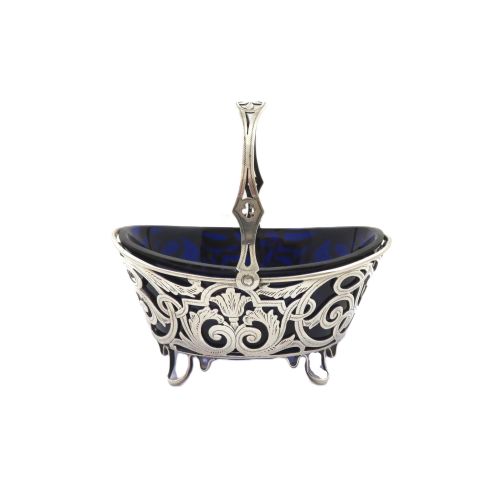
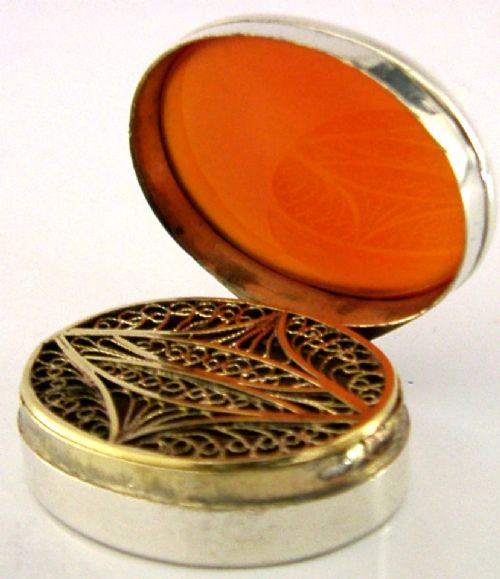
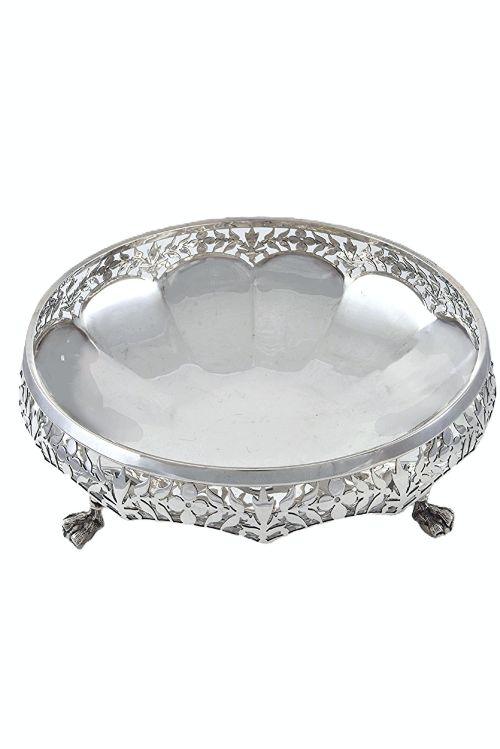
When searching for antique silver filigree, a buyer meets works formed from fine twisted wires that create openwork patterns resembling lace. These objects span periods from the Georgian era through to the Art Deco years, originating from diverse workshops across Europe, Asia, and the Middle East.
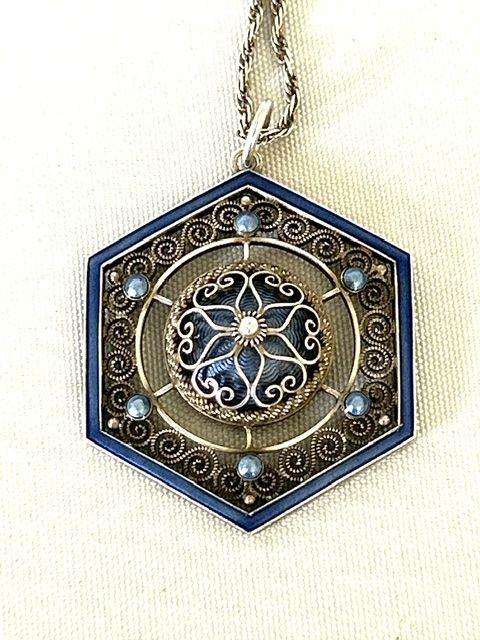
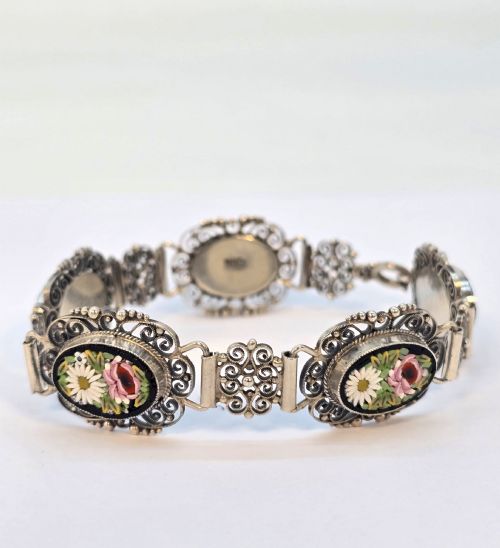
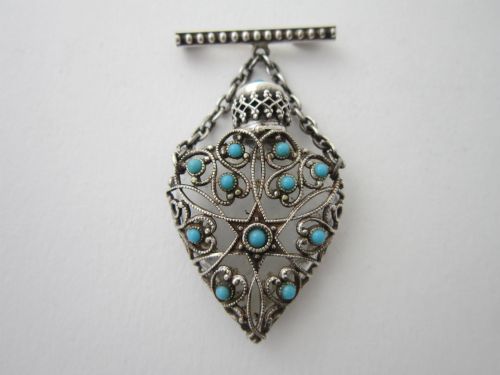
The pieces appearing most frequently take the form of brooches, lockets, and small decorative boxes, alongside pendants and chatelaine items. Many items combine plain silver wirework with enamel, turquoise, or glass stones to add colour to the metal framework.
Examples range from intricate Chinese export designs and Russian silver gilt items to Victorian botanical motifs and Edwardian dress ornaments. Each piece demonstrates the patience required to shape malleable wire into structured decorative objects.
Materials and technique
Makers produced antique silver filigree by drawing metal into thin wires, which were then flattened or twisted together before being bent into detailed scrollwork and geometric patterns. These delicate frameworks were soldered onto a solid backing or joined edge-to-edge to create self-supporting openwork structures.
Makers frequently employed silver gilt, also known as vermeil, adding a layer of gold over the silver base to enrich the tone of the wirework. Enamel, glass paste, turquoise, and rock crystal frequently appear set within the silver wire borders to accent the metal composition.
Antique Silver Filigree Retail Price Guide 2026
Typical asking prices for silver filigree among the pieces listed under this phrase on Sellingantiques today, from the lower quarter to the upper quarter. They describe what is for sale here now, not the wider market.
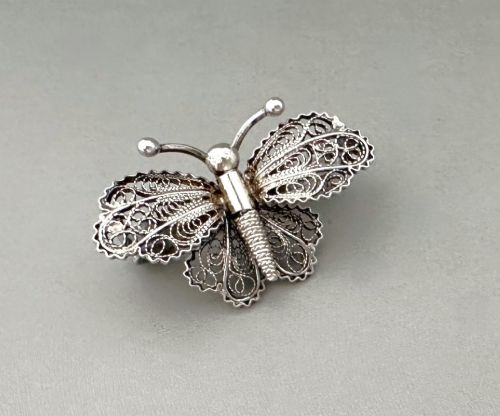
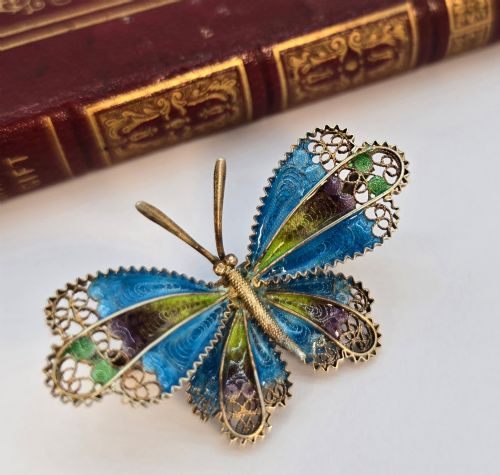
Fluttering brass and silver butterflies rest silently across decades of display cases, frozen mid-flight in delicate wire wings.
Judging quality in wirework
Quality in antique silver filigree depends upon the tightness of the wire twist and the uniformity of the soldered joints throughout the pattern. Superior examples display minimal excess solder and crisp, even wire placement that maintains structural integrity across the entire surface.
The presence of supplementary materials like hand-applied enamel or securely bezel-set stones elevates the standard of a piece. Finer items retain their original gilding and show precise alignment within complex scroll or butterfly motifs.
Marius Hammer·Walker And Hall·William Comyns
The Antique Silver Filigree Glossary
- Filigree
- Metalwork technique using fine twisted wires soldered together to form openwork patterns. It creates a lace-like effect without a solid background plate.
- Silver Gilt
- Silver objects coated with a thin layer of gold on the surface. This finish provides a warm golden appearance while retaining a silver base.
- Guilloche Enamel
- Decorative technique where enamel is applied over engine-turned metal. It produces translucent patterns that catch the light beneath the colour.
- Openwork
- Design style where portions of the metal are cut away or constructed with empty spaces. This allows light to pass through the decorative elements.
- Vinaigrette
- Small container holding a sponge soaked in aromatic vinegar. These boxes often feature pierced inner grilles and delicate exterior wirework.
Antique Silver Filigree: Frequently Asked Questions
How do I clean antique silver filigree safely?
Clean these delicate items using a soft brush and warm soapy water to reach between the twisted wires without bending them. Avoid harsh dips and abrasive cloths that strip away residual gilding or loosen fragile soldered joints.
Pat the piece dry thoroughly with a lint-free cloth after washing. Storing the item in a dry environment prevents tarnishing within the complex recesses of the wirework.
Were these filigree pieces made for daily wear?
Many items served as decorative dress accessories, including brooches, pendants, and card cases used during social occasions. Their delicate wire construction meant they required careful handling rather than rough everyday use.
Heavier utility objects like baskets and boxes functioned on display surfaces or writing desks. Lighter personal ornaments were pinned securely to garments or suspended on chains.
How can I tell a Georgian piece from a Victorian one?
Georgian examples often feature heavier gauge wire and distinct box settings for stones like paste or agate. Victorian pieces frequently embrace naturalistic motifs such as flowers, butterflies, and insects alongside revival styles.
Examining the construction style and any accompanying hallmarks helps narrow down the manufacturing decade. Stylistic shifts from neoclassical symmetry to aesthetic and arts and crafts movements provide further dating clues.
Did workshops outside Europe make silver filigree?
Asian and Middle Eastern workshops produced substantial quantities of filigree work for both domestic use and export markets. Chinese export items and pieces from the Turkmen tribes demonstrate distinct regional motifs and wire manipulation techniques.
These non-European pieces often incorporate local gemstones or specific forms like traditional cordiform pendants and dragon ashtrays. They share the core wirework technique while expressing unique cultural designs.