


Antique Silver Figure
An antique silver figure brings sculptural form and precious metal together, capturing animals, dancers and historical subjects across Victorian, Edwardian and mid-century periods.
Antique Silver Figure
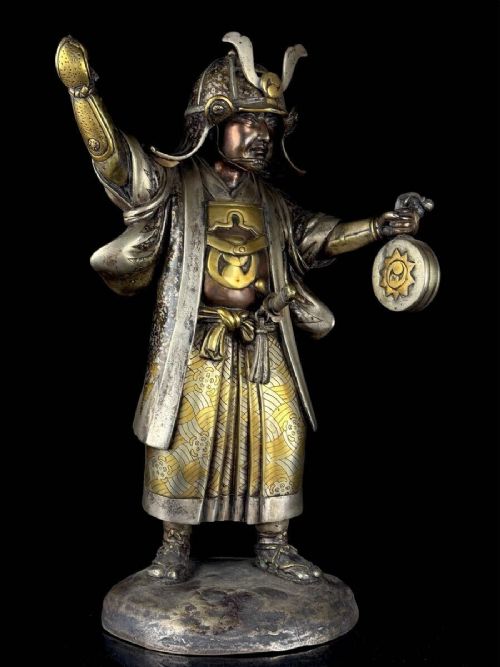
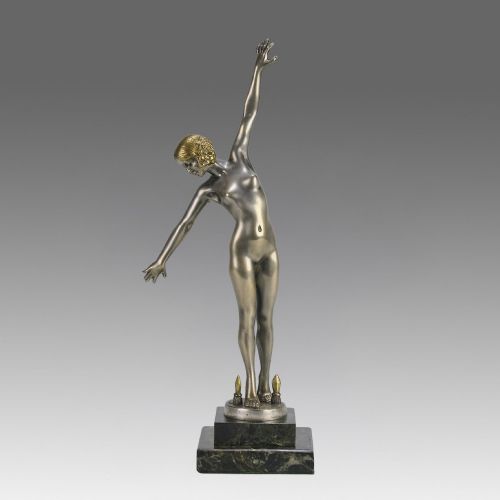
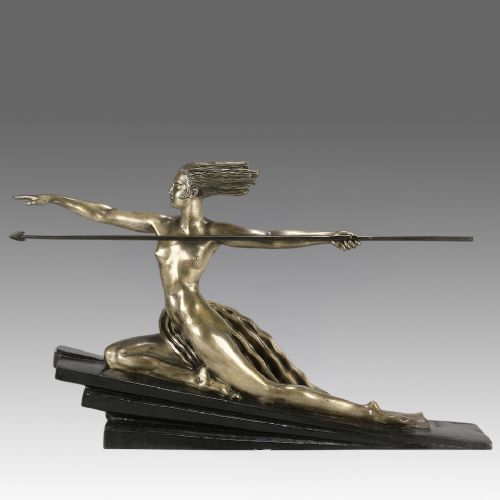
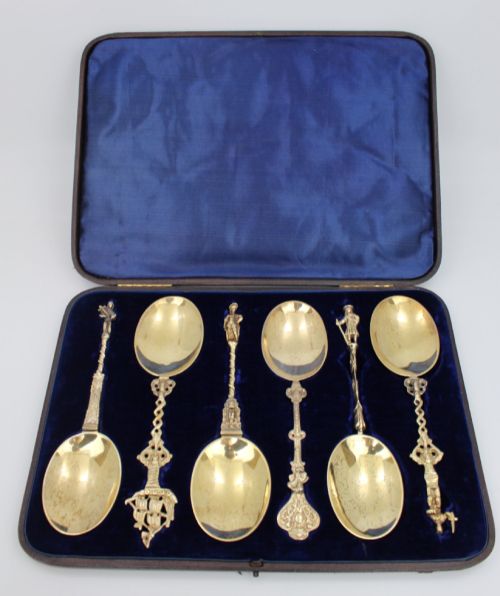
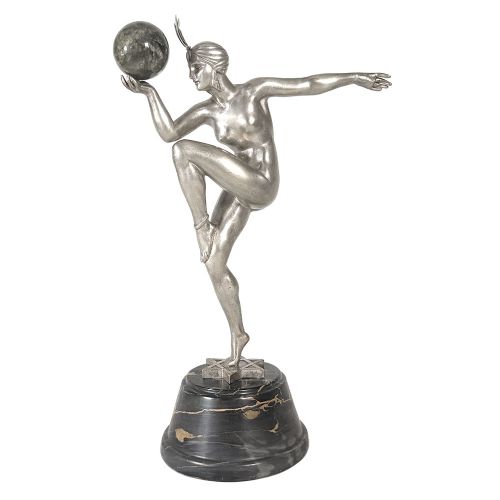
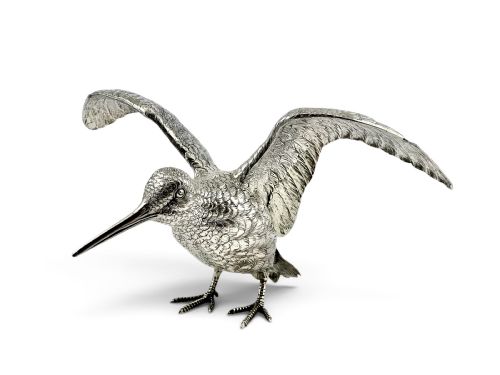
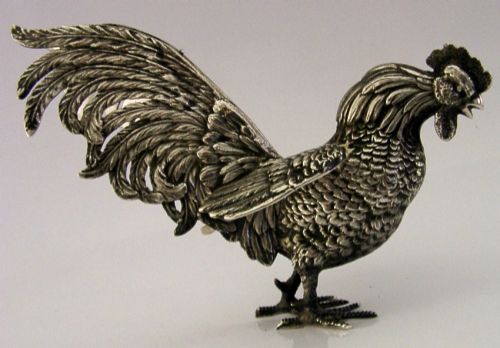
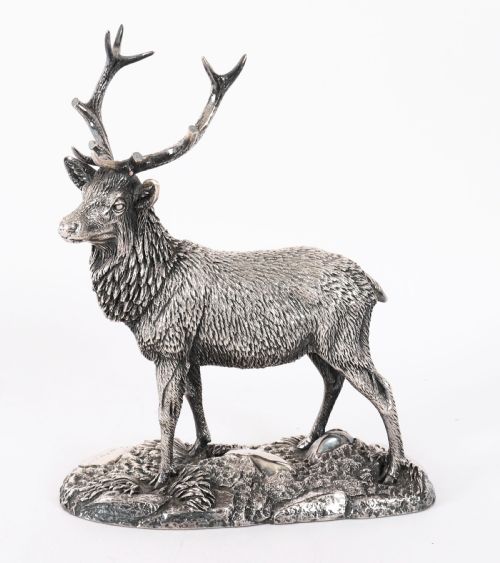
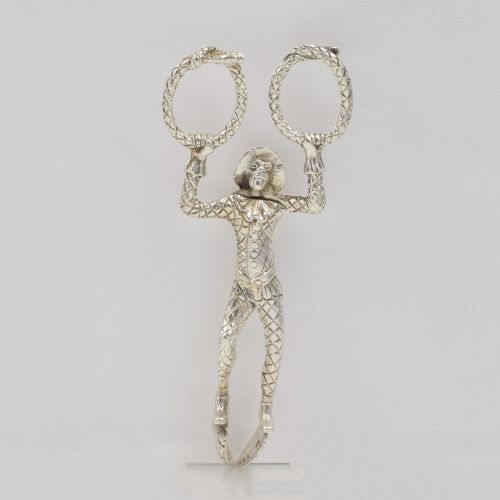
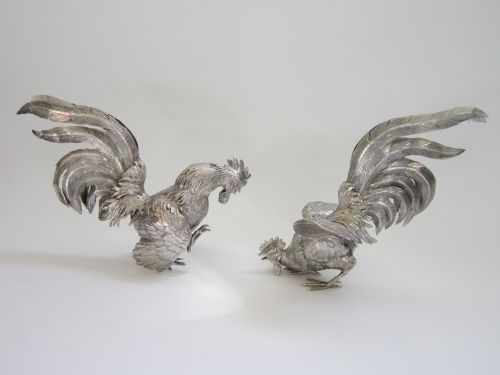
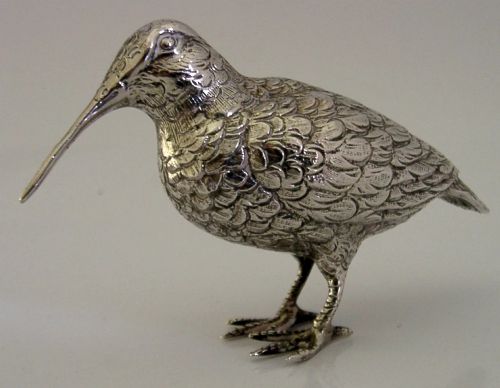
An antique silver figure spans several distinct centuries and decorative forms, including freestanding animal sculptures, table ornaments, novelty pin cushions and figural menu holders. Buyers searching for an antique silver figure encounter small-scale fauna such as pheasants, cockerels and stags alongside human subjects derived from classical mythology, Art Deco design and traditional rural life.
The objects originate from British assay offices as well as continental European workshops, featuring solid sterling silver, silver-plated metals, and mixed-media compositions incorporating bronze, marble or wood. Many serve functional purposes within domestic interiors, acting as inkstands, paperweights, bell pushes or candle holders while retaining their sculptural presence.
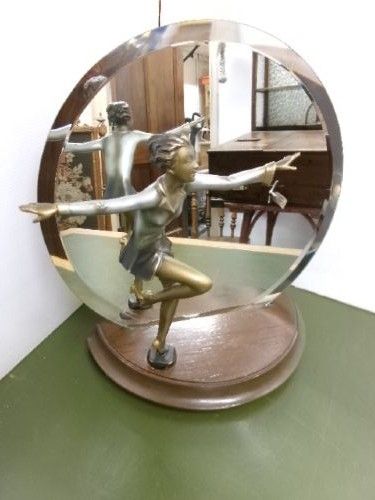
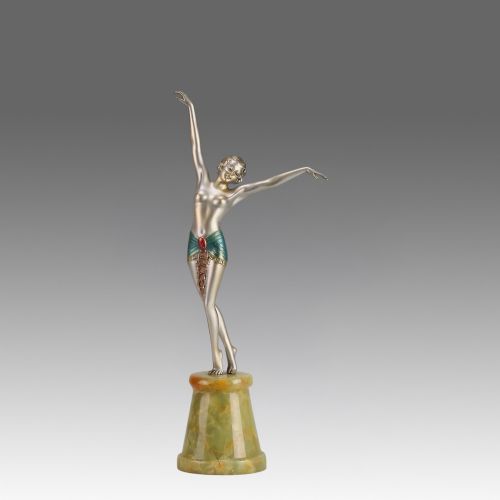
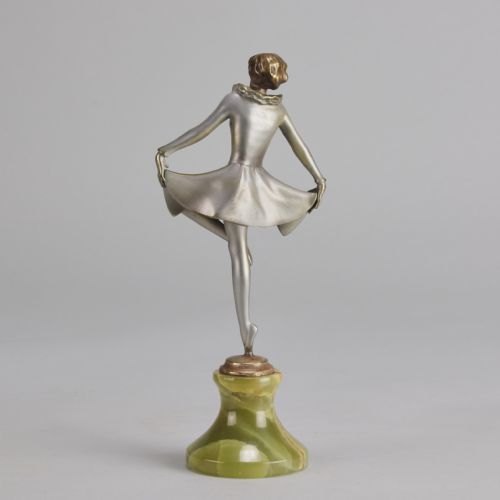
Victorian and Edwardian examples lean toward naturalistic studies of birds and mammals, often marked by detailed chasing and hallmarks indicating London or provincial makers. Meanwhile, early twentieth-century pieces embrace Art Deco and modernist aesthetics through dancers and stylized human figures cast in bronze, spelter or silver.
What Varies in Quality
The standard of modeling and anatomical precision separates ordinary production pieces from superior works, particularly in animalier sculptures and human figures where proportion and posture dictate visual success. Superior items display crisp surface details, sharp chasing on feathers or hair, and balanced compositions that maintain integrity from every viewing angle.
Hallmark legibility and the integrity of maker marks provide essential benchmarks for silver pieces, ensuring the metal standard and origin remain verifiable. Mixed-media combinations, such as the integration of carved ivory, marble bases or inlaid stones, rely on secure joins and high-grade secondary materials to maintain overall structural and aesthetic harmony.
Antique Silver Figure Retail Price Guide 2026
Typical asking prices for silver figure among the pieces listed under this phrase on Sellingantiques today, from the lower quarter to the upper quarter. They describe what is for sale here now, not the wider market.
Listings feature sterling silver, silvered bronze, spelter, marble and onyx across periods ranging from the eighteenth century to the mid-twentieth century.
Tom Mackie·Pierre le Faguays·Ferdinand Preiss·Josef Lorenzl·Edward John Barnard·Timothy Hughes·Lerolle Fres·Gotthilf Jaeger
The Antique Silver Figure Glossary
- Animalier
- A nineteenth-century artistic style focusing on the realistic depiction of animals, particularly predators, game birds and horses in dynamic poses.
- Cold-Painted Bronze
- A technique where bronze sculptures are painted with polychrome oil paints or enamels without subsequent firing, often found on Austrian figural bronzes from the early twentieth century.
- Sterling Silver
- An alloy of silver containing 92.5 percent silver by mass and 7.5 percent other metals, usually copper, standardised by British assay offices.
- Spelter
- An alloy of zinc and other base metals used as a less expensive alternative to bronze for casting decorative figures, frequently patinated or silver-plated.
- Pin Cushion
- A small domestic novelty object incorporating a stuffed cushion mounted within a silver, metal or ceramic figural base shaped as an animal or character.
Antique Silver Figure: Frequently Asked Questions
What were silver figures used for?
Many silver figures functioned as ornamental table centrepieces, desk accessories, paperweights, inkstands or practical items like menu holders and pin cushions within the Victorian and Edwardian home.
Others served purely decorative roles as cabinet sculptures, mantel ornaments or presentation trophies given for sporting and military achievements.
How do I identify the age of a silver figure?
Assay office hallmarks, date letters stamped into the metal, and maker marks provide the most reliable evidence for dating British silver pieces accurately.
Stylistic indicators such as Art Deco geometric lines, Victorian naturalism, or Edwardian motifs help narrow down the period when official hallmarks are absent or faint.
Are silver figures solid or hollow?
Construction methods vary significantly depending on the size and period of the piece, utilising both solid cast silver and hollow formed sheet metal construction.
Larger animal sculptures and table ornaments are often hollow to save weight and material costs, sometimes filled with a weighted substance for stability.
What is cold-painted bronze?
Cold-painted bronze refers to metal sculptures finished with natural pigments or oil paints applied directly to the surface without high-temperature firing.
This technique achieved vibrant coloration on early twentieth-century dancer and animal figures, though the paint layers remain susceptible to wear over time.