





Antique Silver Drinks Accessory
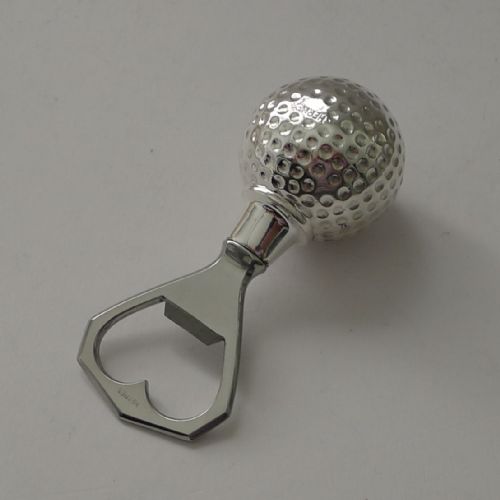
An antique silver drinks accessory brings tangible weight and period character to any home bar through cocktail shakers, flasks, and coasters.
Antique Silver Drinks Accessory
When you search for an antique silver drinks accessory, you encounter functional objects designed for entertaining, spanning from Victorian spirit flasks and tantalus sets to the dynamic cocktail shakers of the twentieth century. These pieces reflect shifting social habits around hospitality and home mixing across the Victorian, Edwardian, and Art Deco eras.
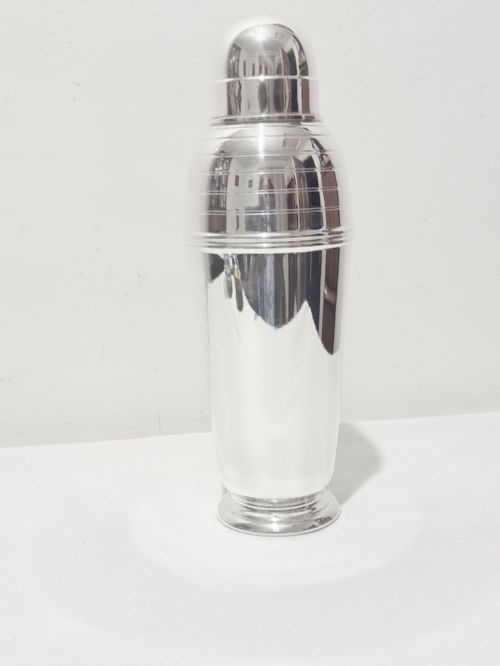
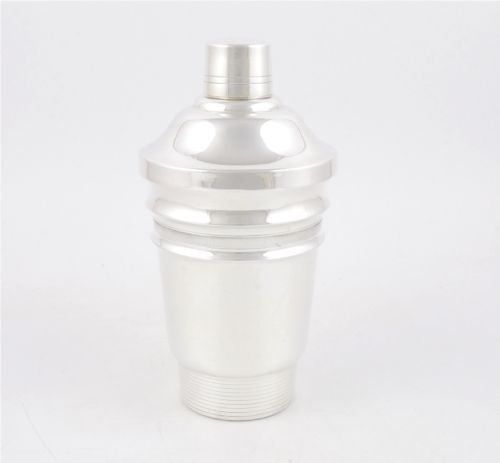
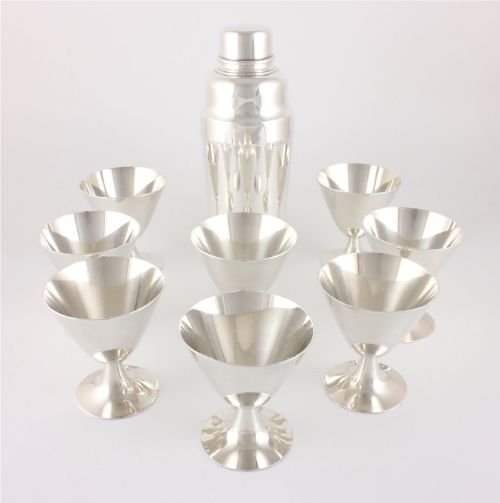
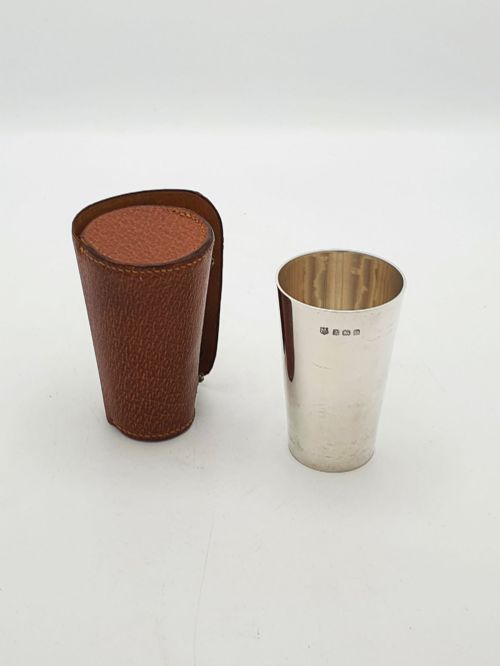
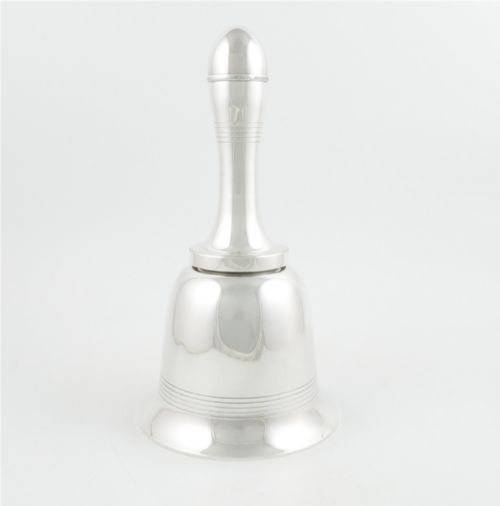
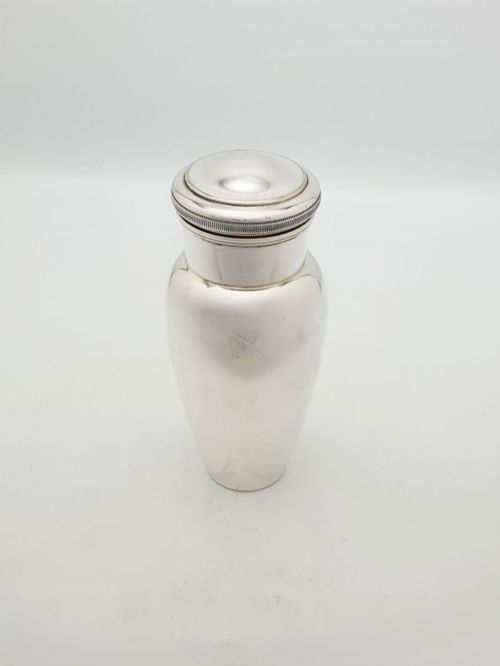
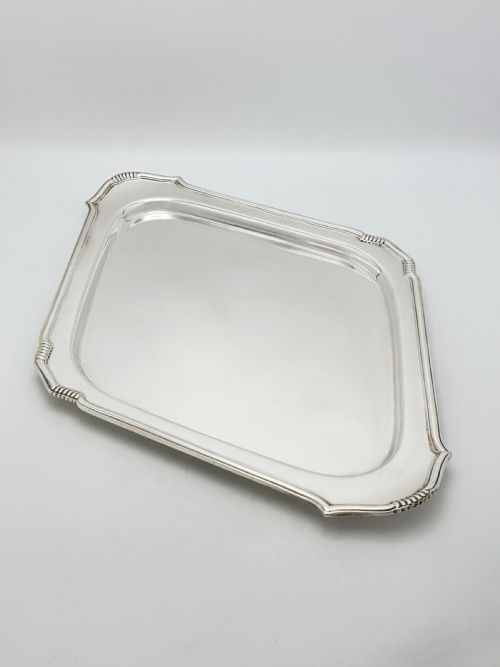
The version you are most likely to meet on this page is the silver plated or sterling silver cocktail shaker from the interwar period. Alongside shakers, the selections include barware sets, cocktail sticks, bottle coasters, serving trays, and travel beakers made in England, France, Italy, Germany, and America.
Materials and construction
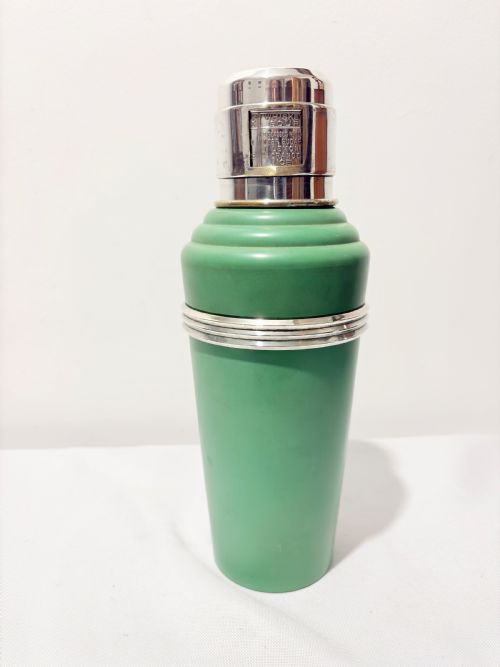
The construction relies heavily on silver plate, electroplated nickel silver, and solid sterling silver shaped into geometric or cylindrical forms. Many pieces combine metal with contrasting elements such as green Bakelite handles, cut glass bodies, enamel details, or fitted wood and leather.
Makers utilised spinning, stamping, and casting techniques to produce functional barware items like shakers with integral lemon squeezers, rolling recipe mechanisms, and ice breakers. Internal components fit tightly into outer casings, demonstrating precise metalworking standards suited to daily service.
Antique Silver Drinks Accessory Retail Price Guide 2026
Typical asking prices for silver drinks accessory among the pieces listed under this phrase on Sellingantiques today, from the lower quarter to the upper quarter. They describe what is for sale here now, not the wider market.
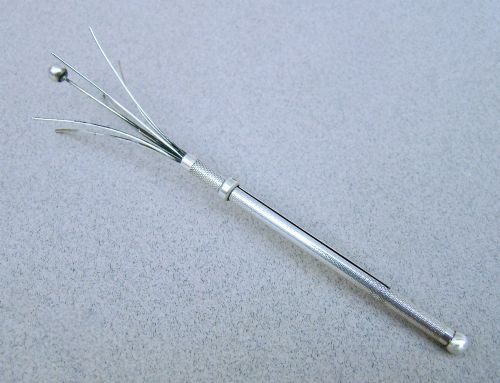
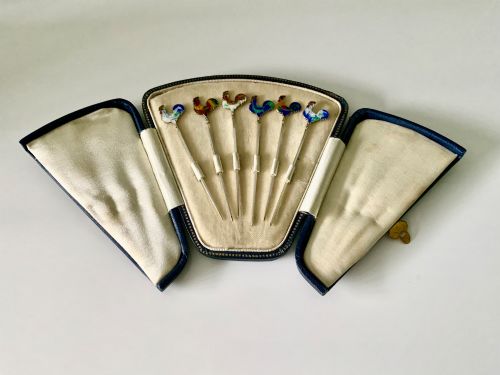
A cherry man cocktail stick holder from France brings a cheerful face to the home bar.
What separates the finest examples
Quality resides in the weight of the metal, the balance of the piece in the hand, and the clarity of maker marks or hallmarks. Thicker silver plating resists wear more effectively, while solid sterling silver examples show substantial gauge metal that maintains its shape.
Sudre·Keith Murray·J. B. Chatterley & Sons·James Dixon & Sons·William Suckling·C S Green & Co·Gaskell & Chambers·Mappin & Webb·Carl Deffner·Tuttle
The Antique Silver Drinks Accessory Glossary
- Tantalus
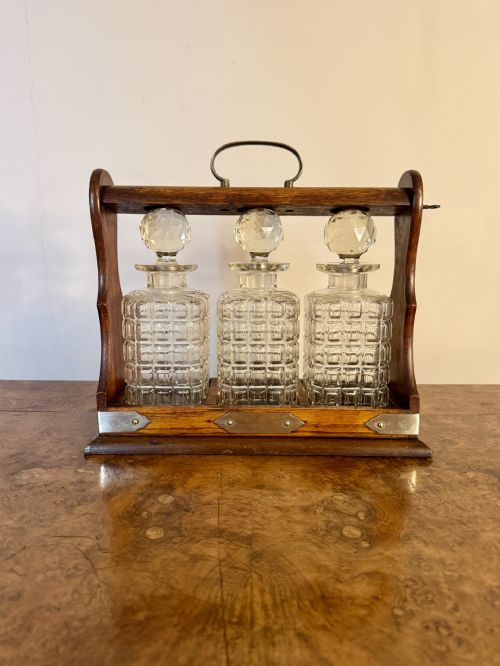
- A locked wooden frame holding decanters that displays the contents while preventing unauthorised access. This Victorian and Edwardian invention secures spirits behind a metal bar locked with a key.
- Electroplated Nickel Silver
- A base metal alloy of copper, nickel, and zinc coated with a layer of pure silver through electrolysis. Commonly abbreviated as EPNS, it provided an accessible alternative to solid silver.
- Spirit Flask
- A small, curved container designed for carrying liquor discreetly in a pocket or travel case. These typically feature a captive screw cap and silver mounts.
- Cocktail Shaker
- A vessel used to mix drinks with ice by shaking, often comprising a body, a strainer lid, and a cap. Interwar examples frequently incorporate geometric Art Deco styling and internal ice breakers.
- Bottle Coaster
- A small tray or shallow dish placed beneath a wine bottle or decanter to protect table surfaces from condensation and drips. They often feature wooden bases beneath silver plated rims.
Antique Silver Drinks Accessory: Frequently Asked Questions
How do I clean an antique silver plated shaker?
Maintenance requires gentle washing with warm soapy water and a soft cloth to protect the plated surface and any enamel or Bakelite components. Avoid harsh abrasive dips that strip electroplated layers.
Dry the metal thoroughly after washing to prevent water spotting. Regular light polishing with a non abrasive silver cloth maintains the shine without damaging the underlying metal.
Are these vintage shakers still usable today?
Most metal and glass cocktail shakers remain fully functional for mixing beverages. The internal strainers and tight fitting lids continue to perform their original duties.
Users should check that cork or rubber seals inside older caps remain pliable. Hand washing preserves the antique plating and moving mechanical parts.
What distinguishes Art Deco barware?
Art Deco barware relies on clean geometric lines, streamlined forms, and contrasting materials like coloured Bakelite, enamel, and glass. The designs reflect the machine age aesthetic of the 1920s and 1930s.
These pieces often feature faceted shapes, stepped bases, and stylized motifs such as roosters or geometric chevrons. They contrast sharply with the more ornate ornamentation of Victorian items.