







Antique Silver Dome
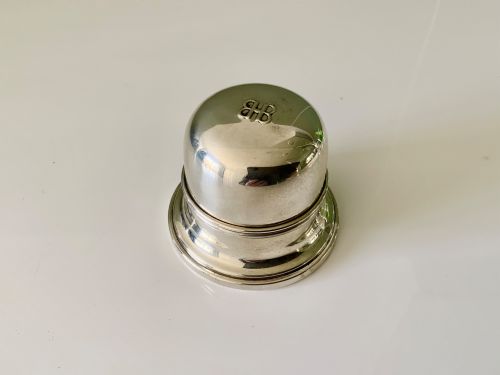
An antique silver dome protects and presents roasted joints or keeps butter cool, combining solid heft with brilliant silver-plated surfaces.
Antique Silver Dome
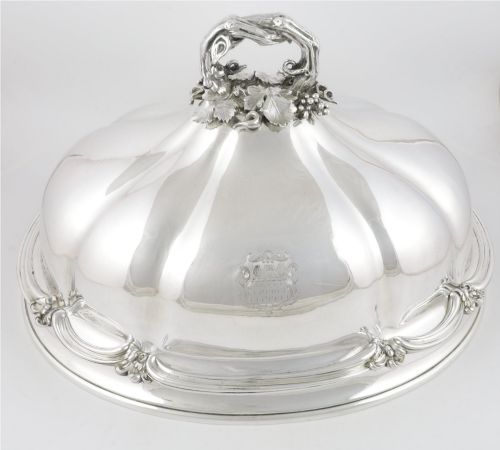
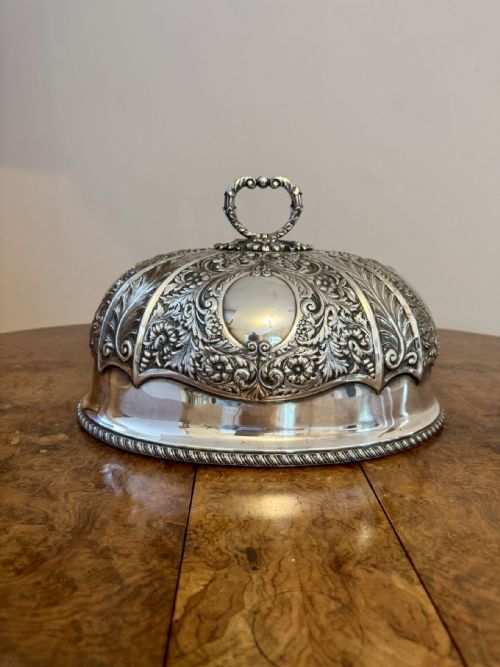
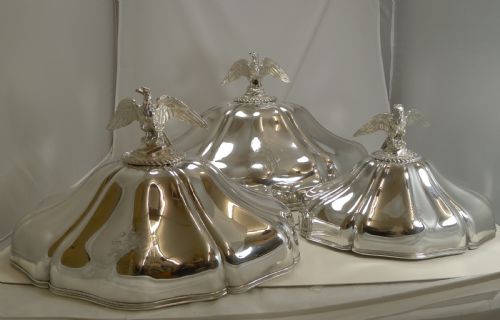
An antique silver dome primarily takes the form of a meat cover or food dome, designed for formal dining tables during the Georgian, Victorian, and Edwardian eras. These large covers kept roasted meats warm while resting on heavy platters before carving.
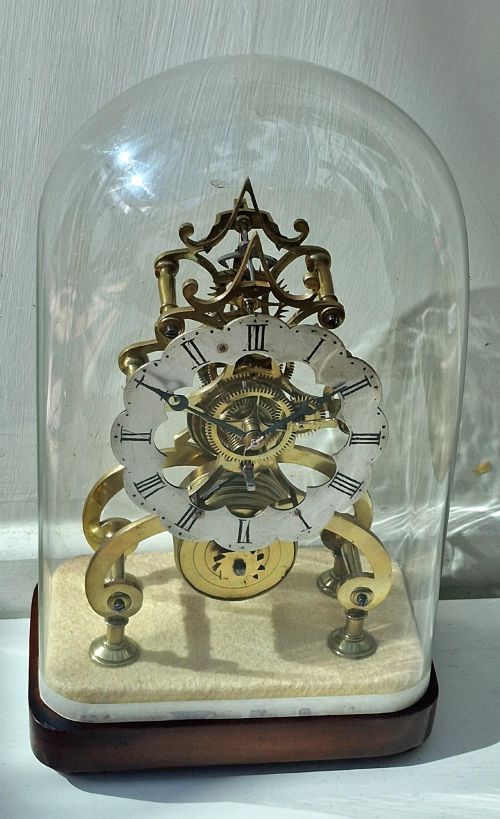
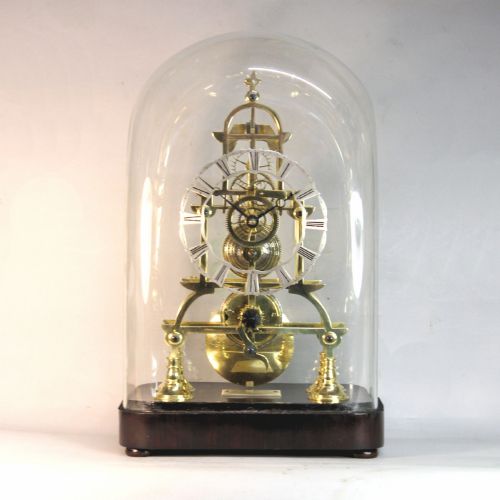
Beyond dining ware, the listings extend to clock covers, desk accessories, and decorative items featuring domed glass or metal elements. Most meat domes date from the nineteenth century, reflecting the lavish dining habits of the period.
Materials and Construction
Makers produced these domes using silver plate over copper, solid Old Sheffield Plate, or EPNS, combining base metals with a lustrous exterior finish. Old Sheffield Plate involves fusing a thin layer of silver to a copper core, visible on older pieces where the base metal peeks through edges.
Workshops formed the large curved bodies by hand-raising metal sheets over wooden stakes or spinning them on lathes, then soldering on cast handles and applied borders. Handles often take the shape of loops, branches, or cast animal motifs like eagles.
Antique Silver Dome Retail Price Guide 2026
Typical asking prices for silver dome among the pieces listed under this phrase on Sellingantiques today, from the lower quarter to the upper quarter. They describe what is for sale here now, not the wider market.
A duke's dinner table once relied on a single heavyweight Boulton dome to keep roast meat piping hot before the carving knife descended.
Factors of Quality
Quality rests in the gauge of the metal, the crispness of any engraved armorial crests, and the weight of the cast handle. Heavier domes maintain their structural integrity and resist denting along the vulnerable curved walls.
The method of plating also distinguishes finer pieces, particularly the distinction between fused Old Sheffield Plate and later electroplating. Superior examples retain intact silver layers without extensive base metal telegraphing through the surface.
Roberts Cadman·Henry Wilkinson·Boulton·Mappin and Webb
The Antique Silver Dome Glossary
- Old Sheffield Plate
- A method of fusing silver to a copper base before rolling them into sheets. This technique predates modern electroplating and produces a warm, deep lustre.
- Meat Dome
- A large, domed cover designed to fit over a meat platter on a dining table. They kept food warm and added grand display to the dining room.
- Cloche
- A bell-shaped cover used for food service on plates or platters. The term derives from the French word for bell.
- EPNS
- Electroplated Nickel Silver, a common base for nineteenth-century and twentieth-century tableware. It provided a durable, bright finish at a lower cost than solid silver.
Antique Silver Dome: Frequently Asked Questions
How do I clean an antique silver dome?
Use a soft cloth and a gentle, non-abrasive silver polish formulated for plated items. Avoid harsh scrubbing that can wear away thin silver layers, particularly on Old Sheffield Plate.
Wash the piece in warm soapy water and dry thoroughly after polishing to protect the metal surface from tarnishing too quickly.
Were these domes made for everyday use?
Dining domes served wealthy households during large dinner parties and formal banquets. They formed part of an extensive tablescape designed to impress guests.
Today, collectors use them as decorative display pieces on sideboards or as functional covers for modern dinner parties.
What is the difference between Old Sheffield Plate and silver plate?
Old Sheffield Plate uses a mechanical fusion of silver and copper sheets heated together. This creates a sandwich metal distinct from later chemical electroplating.
Electroplated items, marked as EPNS, emerged later in the nineteenth century and feature an even, electrical coat of silver over a nickel alloy.
How do I date an antique meat dome?
Examine the weight, style of the handle, and any maker marks stamped on the rim or interior. Georgian pieces often show the distinct traits of Old Sheffield Plate.
Victorian examples frequently utilise electroplating and incorporate heavier, more ornate cast handles and engraved decorative borders.