


Antique Silver Display
Antique silver display pieces bring surface and structure to a room, turning tables and cabinets into stages for silver, glass and photographs.
Antique Silver Display
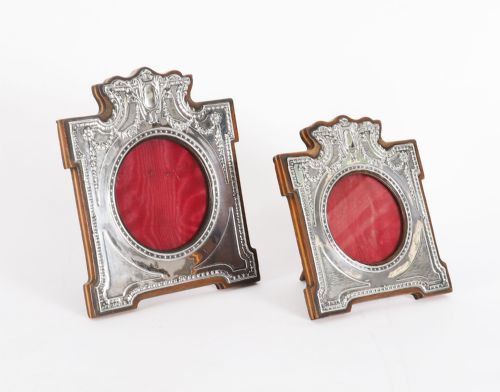
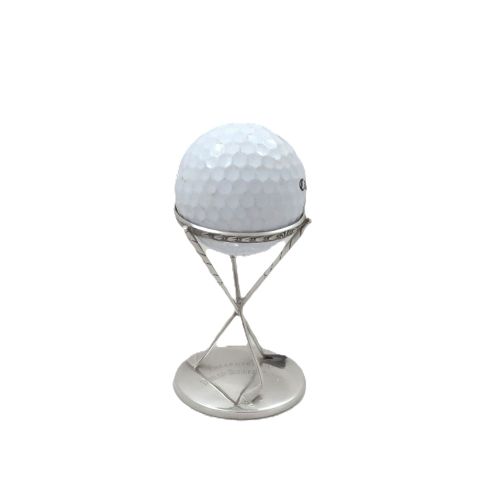
When you search for antique silver display items, you encounter a varied group of objects designed to hold, frame or exhibit other valuables. These range from photograph frames and centrepieces to specialised holders and small cabinets.
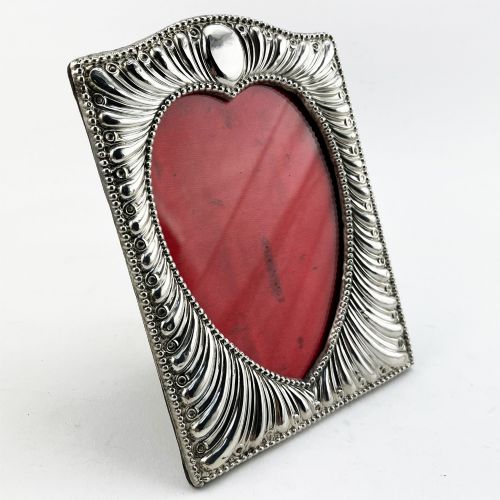
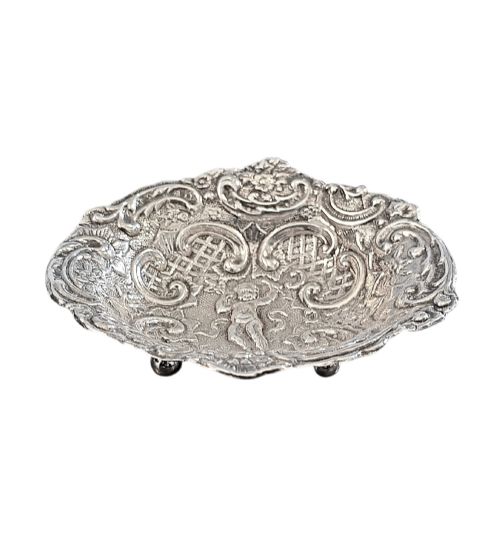
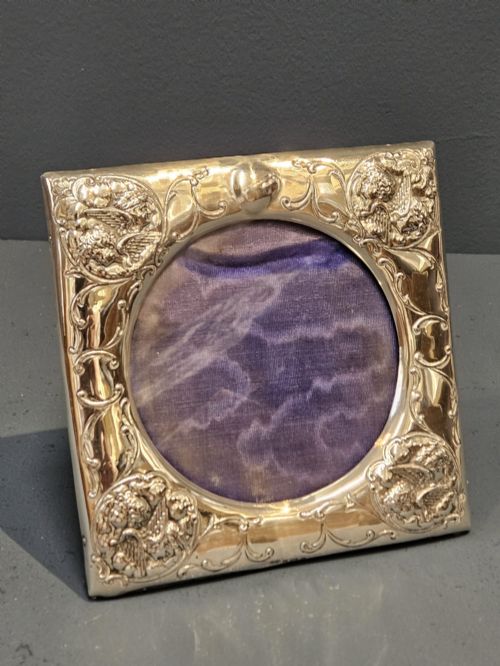
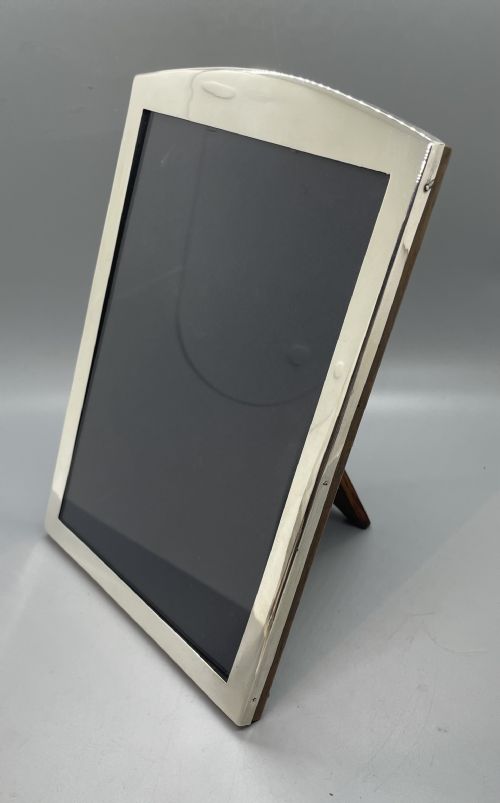
The pieces on this page span the Victorian, Edwardian and George V periods, alongside Georgian and 19th-century examples. You will frequently meet photograph frames in sterling silver, alongside bonbon dishes, rose bowls and silver-mounted glass.
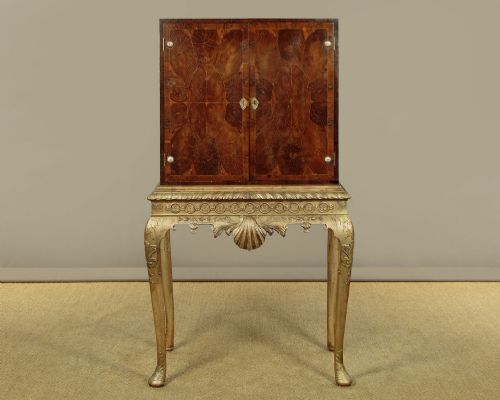
Display also encompasses larger furniture forms, such as occasional side tables and aluminum frame display counters, which serve to showcase collections within an interior space.
How they were made
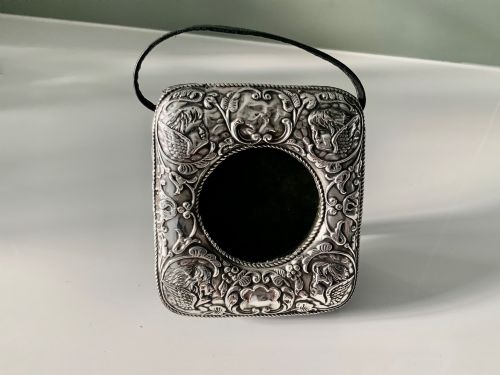
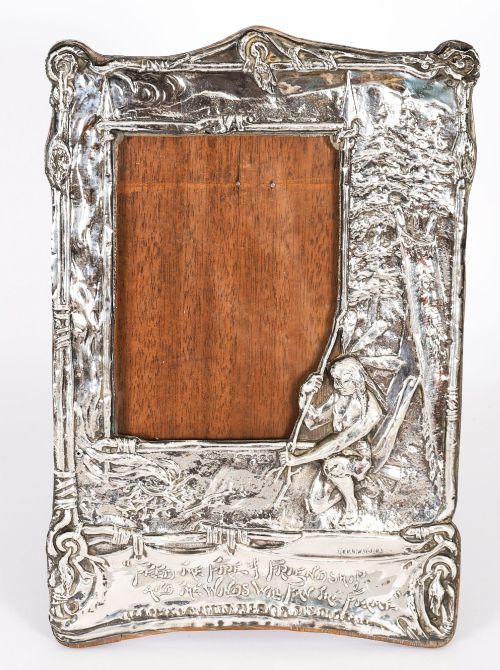
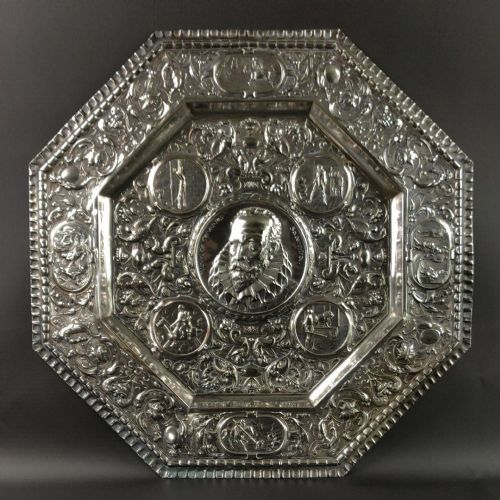
Makers shaped sterling silver and silver plate through silversmithing techniques like repoussé, stamping and chasing, often mounting the metal onto wood, blue velvet or black leather backs for structural support.
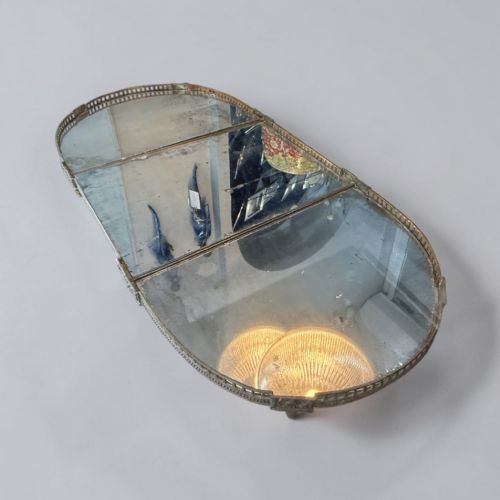
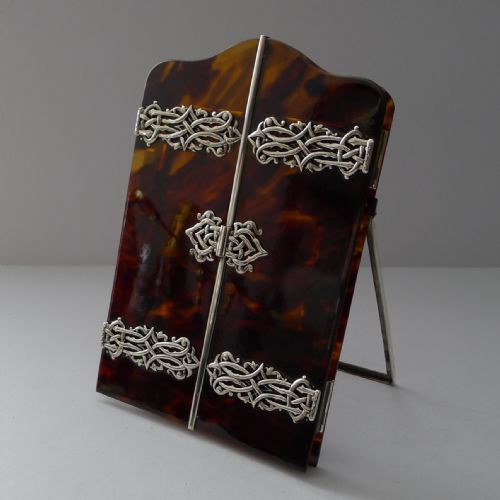
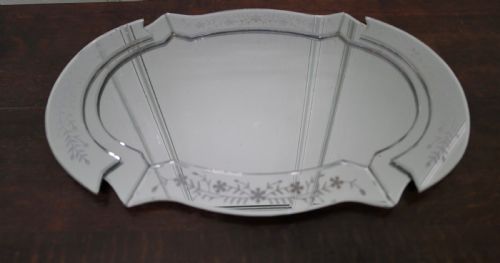
Glass and crystal appeared frequently in combination with silver, seen in cut glass mirror trays and perfume bottles with silver tops. Metalwork also met textiles and organic materials, utilising tortoiseshell, steel and silvered metal across the periods.
Antique Silver Display Retail Price Guide 2026
Typical asking prices for silver display among the pieces listed under this phrase on Sellingantiques today, from the lower quarter to the upper quarter. They describe what is for sale here now, not the wider market.
Listings feature items from the 18th century through to the 1930s, utilising sterling silver, silver plate, glass, velvet, wood and aluminum.
What varies in quality
Quality rests in the crispness of the repoussé work, the weight of the sterling silver or silver plate, and the integrity of the structural backing materials like leather or velvet. Finer pieces demonstrate precise maker marks, clean chasing, and uncompromised glass or mirror inserts.
The distinction between standard production items and superior examples lies in the depth of ornamentation, such as detailed cherub or floral motifs, and the preservation of original components like fitted boxes or glass bottles.
William Aitken·Mappin Bros·W.I.Broadway & Co·Crisford & Norris·William Hutton & Sons
The Antique Silver Display Glossary
- Sterling silver
- An alloy containing 92.5 percent silver by mass, standard for quality British tableware and frames.
- Repoussé
- A metalworking technique where the artisan hammers the metal from the reverse side to form a raised design on the front.
- Centrepiece
- A large decorative object placed in the middle of a table, often taking the form of a silver bowl, tazza or epergne.
- Epergne
- An ornamental centrepiece featuring multiple branching dishes or baskets used for holding fruit, sweets or flowers.
- Silver plate
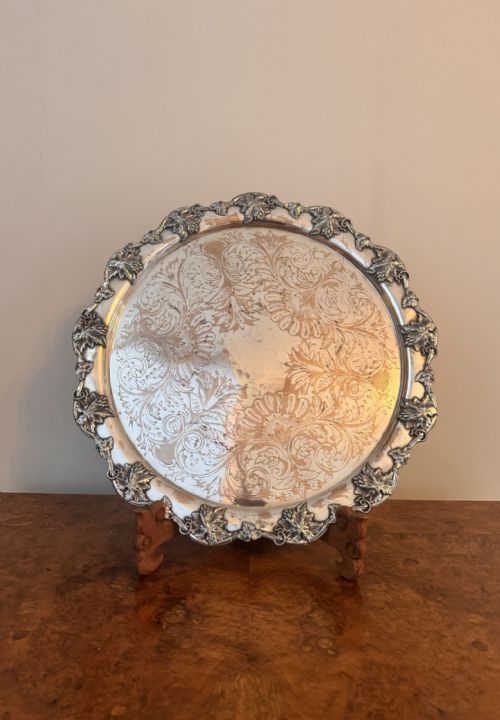
- A layer of silver applied to a base metal, common in larger Victorian and Edwardian trays and cake stands.
Antique Silver Display: Frequently Asked Questions
How do I clean antique silver frames?
Use a soft cloth and a specialised silver polish designed to remove tarnish without abrasive action.
Avoid getting cleaning agents on surrounding materials like velvet, leather, tortoiseshell or glass mirror plates.
Were these photo frames used daily?
Yes, photograph frames held portraits of family members on desks, mantlepieces and side tables throughout the Victorian and Edwardian eras.
Many retain their original easel backs and glass panels for daily use.
What is the difference between sterling and plate?
Sterling silver is solid silver conforming to specific purity standards, marked with hallmarks indicating its assay office and maker.
Silver plate consists of a thin layer of silver bonded to a base metal substrate.
How do I date a silver display piece?
English silver carries hallmarks including date letters, city marks and maker stamps that reveal the exact year of assay.
Style indicators like Art Deco geometry or Victorian repoussé also point to specific decades.