


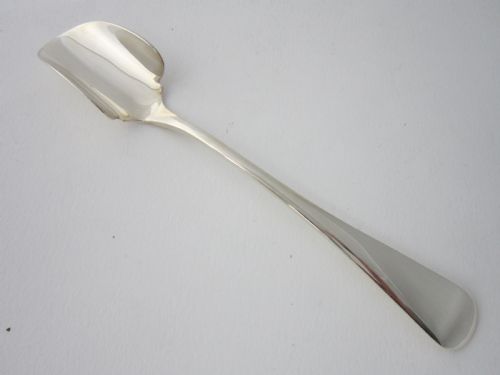


Antique Silver Dining Server
An antique silver dining server brings formal presence to the table, offering practical utility for meat, fish, cheese, and condiments.
Antique Silver Dining Server
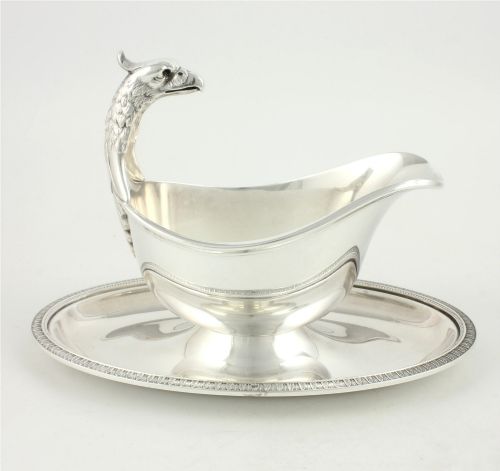
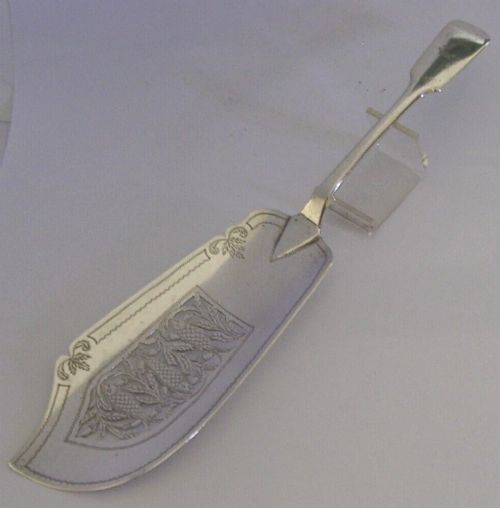
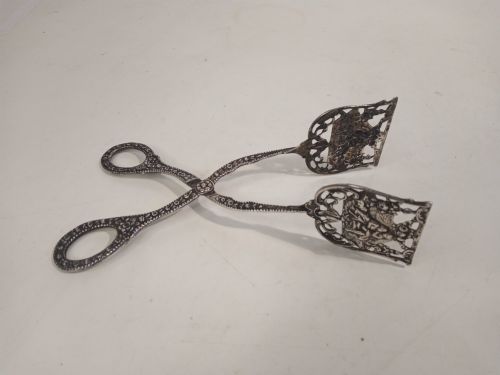
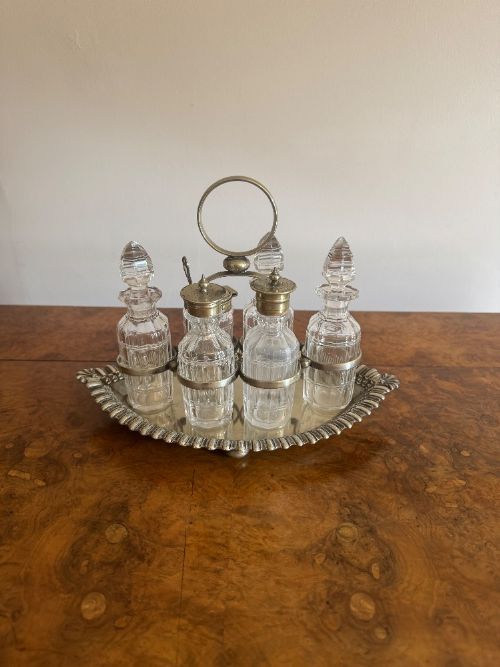
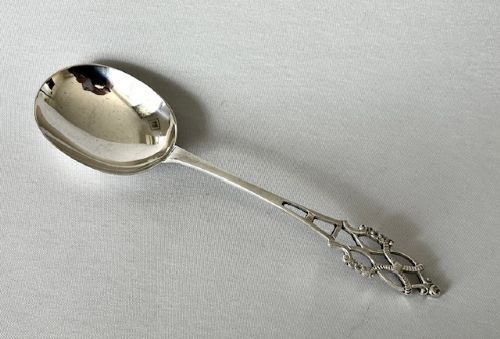
When searching for an antique silver dining server, collectors encounter a diverse range of specialised utensils and vessels designed for formal dining across the Georgian, Victorian, and Edwardian eras. The selections span from fish servers and asparagus dishes to sauce boats, spoon warmers, and revolving breakfast dishes.
The pieces appearing on this page reflect the changing dining customs of the nineteenth and early twentieth centuries, featuring sterling silver, Old Sheffield plate, and silver plate. Servers often incorporate organic elements like bone, horn, antler, and cut crystal alongside metal work.
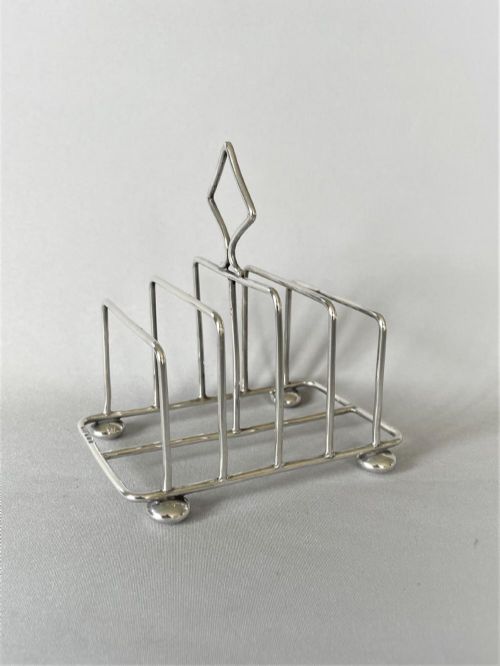
Buyers frequently meet serving utensils tailored for specific foods, such as stilton scoops, grape shears, and toast racks. These functional items range in style from simple Georgian utility to ornate Victorian and Art Deco ornamentation.
Materials and Manufacturing Techniques
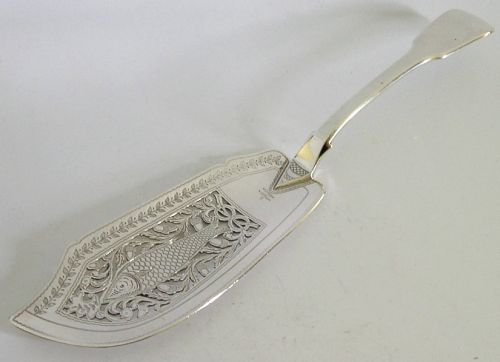
Metalworking traditions on these pieces involve both solid sterling silver and various plating methods, including Old Sheffield plate and electroplated nickel silver. Workshops utilised piercing, engraving, and casting to shape the metal components of meat domes, sauce boats, and servers.
Handle construction often combined metals with organic materials such as bone, horn, and antler, secured with pins or ferrules. Cut crystal and glass inserts were frequently paired with silver mountings for cruet sets, butter dishes, and salad services.
Listings feature items from the Georgian era through Art Deco, utilising sterling silver, silver plate, bone, horn, and cut crystal.
Craftsmanship and Material Integrity
The distinction between standard production and superior craftsmanship rests in the weight of the metal and the depth of the hand-engraving. Fine examples exhibit crisp piercing on fish slices and balanced weight in solid sterling handles.
Condition of the underlying metal beneath silver plate significantly influences the character of a piece, alongside the integrity of fitted organic handles like horn and antler. Maker marks and clear hallmarks provide secure attribution for quality dating.
Roberts Cadman·Christofle Gallia·Mappin and Webb·Garrard and Co·Walker and Hall
The Antique Silver Dining Server Glossary
- Old Sheffield Plate
- A fused composite material made by melting a sheet of sterling silver onto a thicker copper base. This technique was widely utilised before the invention of electroplating.
- EPNS
- Electroplated nickel silver, a base metal alloy coated with a thin layer of silver through an electrolytic process. It became common for serving items during the Victorian period.
- Stilton Scoop
- A long-handled utensil designed specifically for scooping crumbly cheeses like Stilton. Examples often feature bone or silver handles.
- Spoon Warmer
- A Victorian vessel shaped like a shell, shoe, or urn, filled with hot water to keep serving spoons warm during meals. They represent a distinct period dining accessory.
- Meat Dome
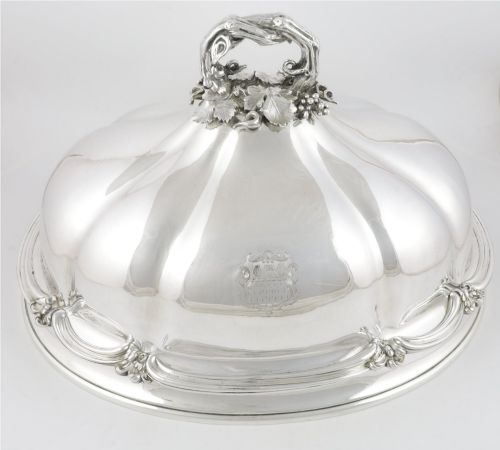
- A large domed cover used to keep joints of meat warm on the dining table. Fine Georgian and Victorian versions were often produced in Old Sheffield plate.
Antique Silver Dining Server: Frequently Asked Questions
What is an antique silver dining server?
An antique silver dining server encompasses a wide array of specialised utensils, dishes, and vessels used for serving food at the table. These range from fish servers and asparagus sets to sauce boats and meat domes.
Items are typically fashioned from sterling silver, silver plate, or Old Sheffield plate, often dating from the Georgian, Victorian, and Edwardian periods.
How do I care for silver plated servers?
Silver plated servers require gentle cleaning with specialised silver polish and a soft cloth to avoid wearing through the thin silver layer to the base metal underneath. Hand washing in warm, soapy water is recommended rather than using mechanical dishwashers.
Proper storage in anti-tarnish cloths helps preserve the finish between uses on the dining table.
How do I identify a Georgian silver server?
Georgian silver servers can be identified by hallmarks stamped directly into the metal indicating the assay office, date letter, and maker's mark. Stylistic traits include clean classical lines, bright-cut engraving, and substantial solid sterling construction.
Pieces from this era often predate widespread electroplating, utilising solid silver or Old Sheffield plate methods.