




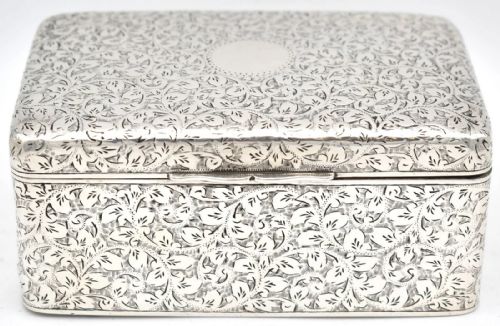

Antique Silver Desk Caddy
These antique silver desk caddy pieces bring practical elegance to a writing surface, offering refined storage and organisation for the discerning collector.
Antique Silver Desk Caddy
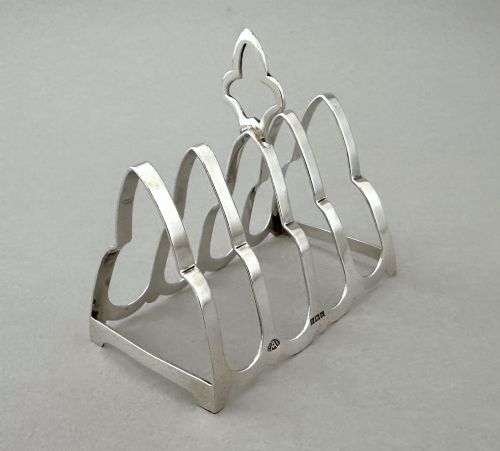
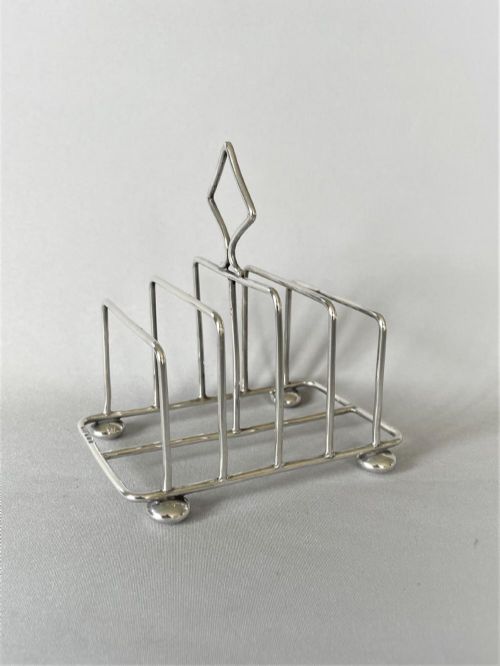
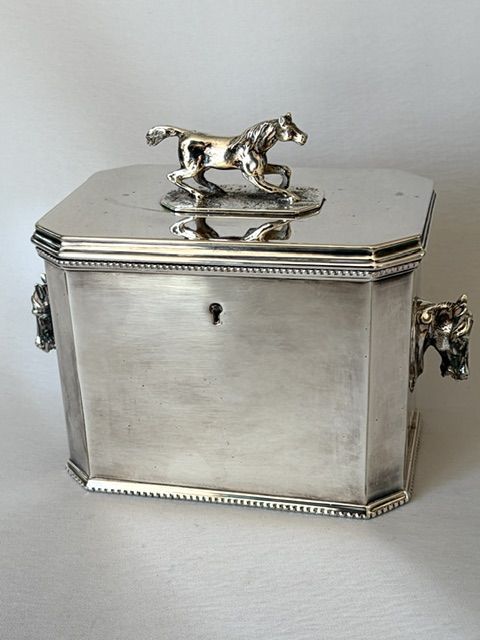
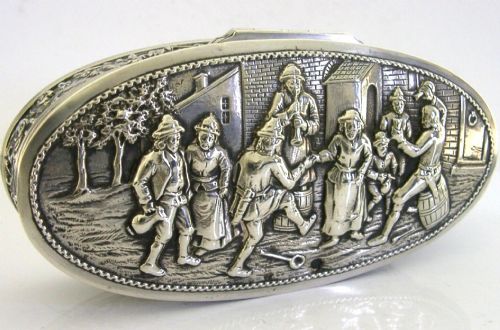
When you search for an antique silver desk caddy, you are looking at a diverse selection of desk accessories, decorative boxes, and toast racks fashioned from sterling silver, solid silver, and silver plate. The pieces available span periods from the eighteenth century through the Victorian and Edwardian eras, extending into the mid twentieth century.
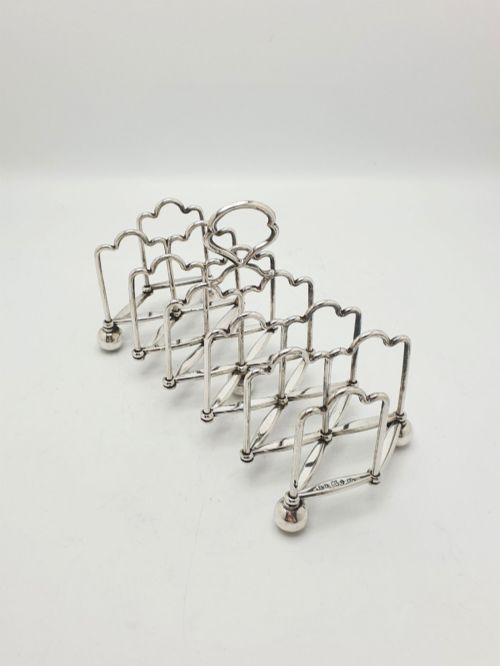
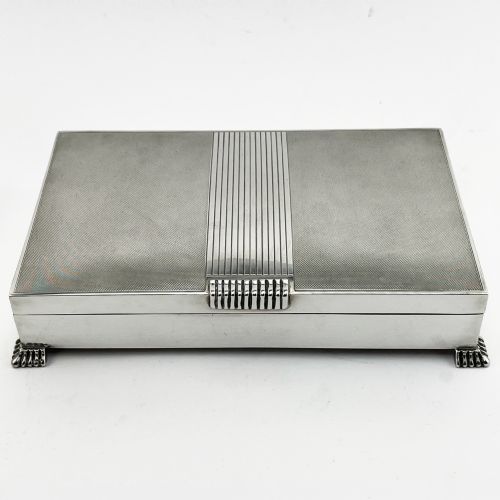
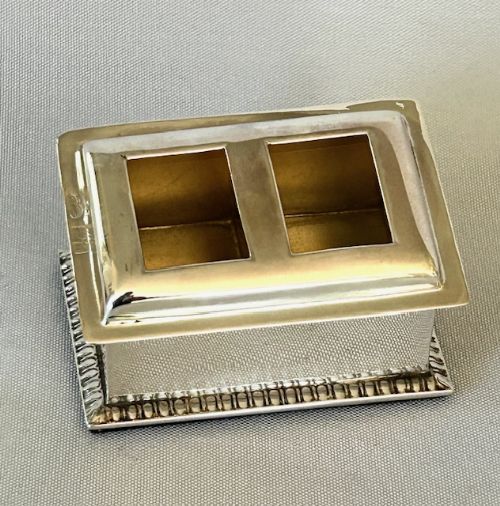
You are most likely to encounter refined silver boxes designed for cigars, stamps, or cigarettes alongside extending silver plated toast racks and stationery boxes. These items frequently incorporate secondary materials such as walnut, brass, glass, satinwood, and gilding to complement their primary silver construction.
The stylistic influences observed across these listings range from traditional Victorian and Edwardian designs to distinct Art Deco forms and George II styles. Each object serves a functional role on a desk while displaying the craftsmanship characteristic of its respective period.
Materials and methods of construction
Makers utilised sterling silver, solid silver, and silver plate as the primary metallic mediums, often shaping them into robust boxes, desk stands, and expanding frames. Gilding appears as an internal treatment to enrich the silver surfaces.
Wood elements such as walnut and satinwood provide structural support and aesthetic contrast in boxes and converted stationery holders. Brass and glass components also contribute to the functional assembly of desk accessories and clocks.
A satinwood box from seventeen ninety found a second career holding stationery after starting life as something entirely different.
Distinctions in quality and execution
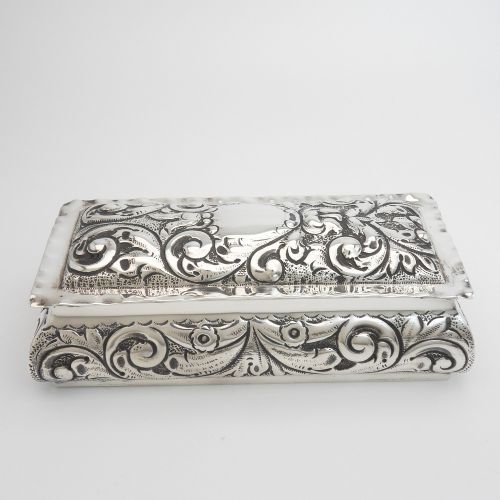
The distinction between standard items and superior pieces often lies in the depth of hand engraving, such as floral scrolls, and the integration of substantial gauge silver. Weight and metal thickness signal the durability and intentionality of the original maker.
Material combination also elevates a piece, where secondary elements like satinwood, glass, or interior gilding demonstrate advanced craftsmanship. Signed works by notable makers carry a distinct level of refined finishing that sets them apart from anonymous production.
Elkington·Mappin & Webb·Sigvard Bernadotte·Georg Jensen·A & J Zimmerman Ltd
The Antique Silver Desk Caddy Glossary
- Sterling silver
- A silver alloy containing 92.5 percent pure silver by mass and 7.5 percent other metals, usually copper. This standard provides the necessary durability for functional desk items.
- Silver plate
- A base metal object coated with a thin layer of silver through electroplating or older techniques. It offers the appearance of solid silver at a different production scale.
- Gilt lining
- A thin layer of gold applied to the interior surface of a silver box or vessel. This technique protects the silver from tarnishing when in contact with acidic contents like tobacco or stamps.
- Toast rack
- A table or desk accessory featuring vertical metal loops designed to hold slices of toast upright. These forms are frequently repurposed or constructed with extending mechanisms.
Antique Silver Desk Caddy: Frequently Asked Questions
What defines an antique silver desk caddy?
An antique silver desk caddy encompasses desk accessories, trinket boxes, and organisers made from silver or silver plate during historical periods.
These pieces often feature specific compartments for stationery, stamps, or smoking requisites.
How were these silver boxes used originally?
They served practical functions in studies and offices, containing writing materials, correspondence, and tobacco products.
Their secure closures kept perishable desk items organised and protected from dust.
Can I use these boxes for modern storage?
Yes, many collectors utilise them to house modern trinkets, business cards, or desk supplies.
Their internal dimensions accommodate small contemporary items while adding period character to a workspace.
How do I identify the period of a piece?
Dating relies on stylistic markers such as Edwardian floral engraving or Art Deco geometric lines.
Hallmarks stamped into the silver provide precise indicators of the manufacturing year and location.