




Antique Silver Crest Box
An antique silver crest box holds personal lineage in sterling silver and silver gilt, uniting fine metalwork with heraldic identity.
Antique Silver Crest Box
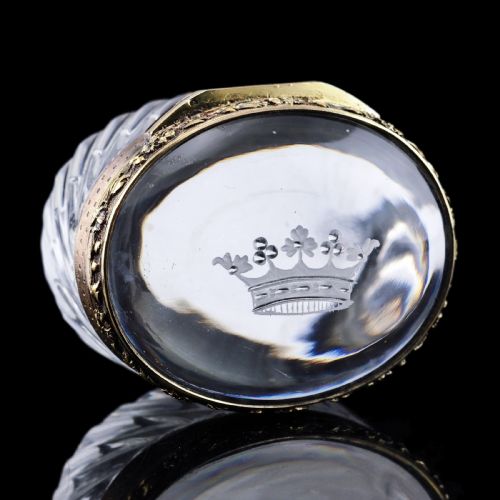
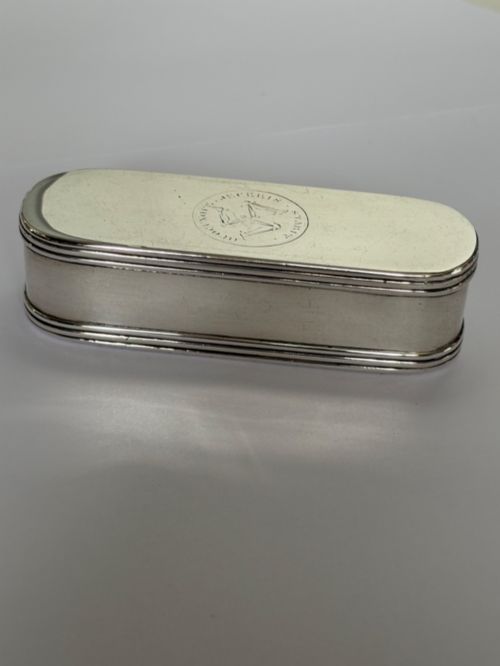
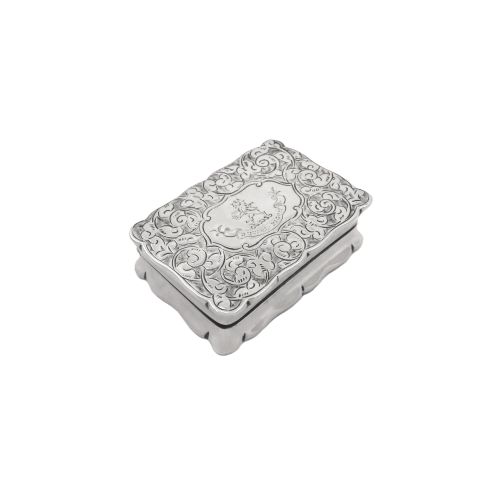
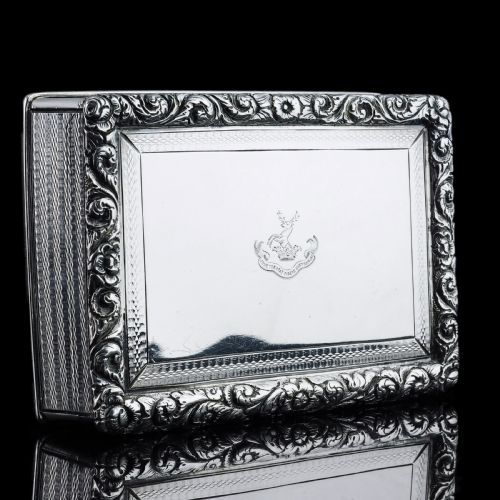
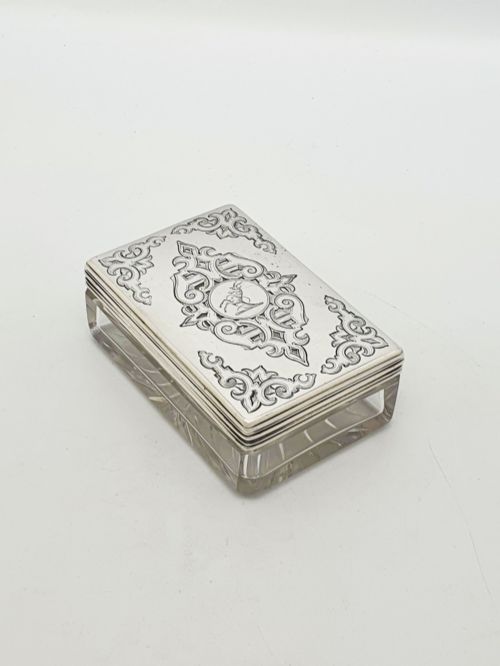
An antique silver crest box serves to hold small personal items while displaying a heraldic device, crest, or motto. When you search for an antique silver crest box, you encounter pieces spanning the eighteenth, nineteenth, and early twentieth centuries.
The objects take many forms across the evidence, appearing most often as snuff boxes, tobacco boxes, trinket boxes, and card cases. These pieces originate from English, Irish, Scottish, and continental makers, incorporating materials like cut glass and enamel alongside solid sterling silver.
Makers fashioned these containers for daily personal use, often engraving them with family arms, royal badges, or specific mottoes. Surviving examples demonstrate how heraldry marked possessions across Georgian, Victorian, and Edwardian households.
How they were made
Silversmiths constructed these boxes primarily from solid sterling silver, occasionally applying silver gilt to the interior surfaces. Techniques such as chasing and floral border work defined the exterior decoration, whilst hinged lids required precise metal fitting.
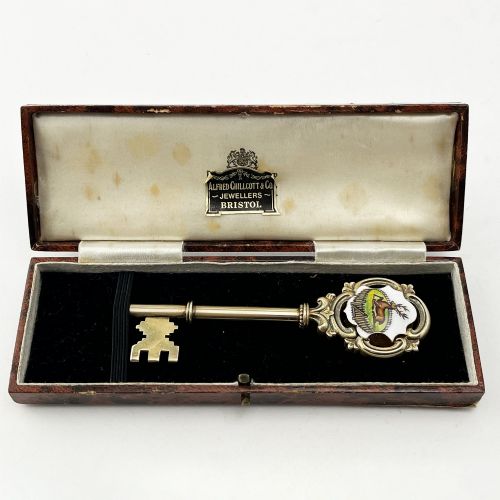
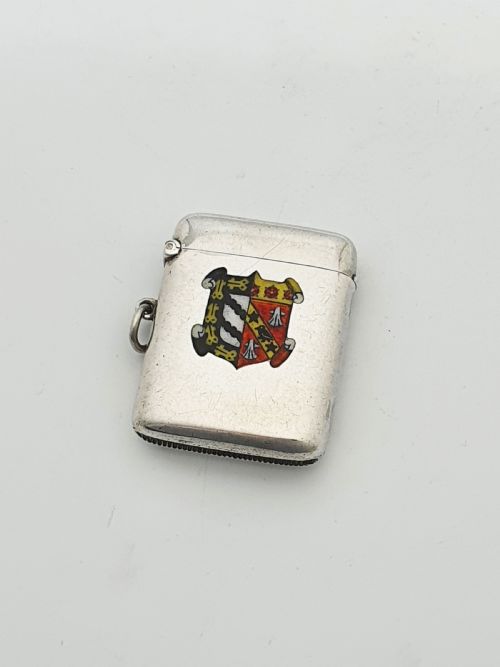
Makers integrated specialised materials like cut glass, cut crystal, velvet, and leatherette into trinket and dressing table boxes. Enamel work frequently appeared on crests, shields, and decorative panels to provide contrasting colour against the polished silver.
Object types seen in the collection range from tobacco boxes and nutmeg graters to shaving brush tubes and presentation keys.
What varies in quality
Quality in these pieces rests upon the crispness of the heraldic engraving and the weight of the metal used in construction. Boxes featuring deeply chased floral borders or specialised enamel work demonstrate superior craftsmanship compared to plain surfaces.
The reputation of the silversmith and the clarity of the hallmarks influence the standing of a piece within the range. Furthermore, the complexity of form, such as curved cases or fitted interiors with silver gilt linings, separates standard utility items from finer commissions.
Cornelius Bland·Joseph Willmore·Jane Brownett Alexander Jones·Reid and Summers·James Phipps I
The Antique Silver Crest Box Glossary
- Crest
- A heraldic design usually displayed above a shield or helm, engraved or enameled onto the lid of a box to denote family identity.
- Silver Gilt
- Sterling silver that has been coated with a thin layer of gold, often used to line the interior of snuff boxes.
- Vesta Case
- A small pocket container designed to hold matches, frequently featuring engraved crests or monograms.
- Hallmark
- A series of official marks stamped onto silver items to indicate the standard of purity, the assay office, and the date of production.
- Chasing
- A metalworking technique where the smith pushes metal inward from the front to create a raised decorative design.
Antique Silver Crest Box: Frequently Asked Questions
What did people keep in a crest box?
These containers held small personal items such as tobacco, snuff, patches, or pills depending on the specific form of the box. Owners utilised them daily to store necessities while displaying their family lineage through the engraved crest.
Tobaccos, vestas, and visiting cards also found a place within specialised compartments of these silver pieces. The variety of shapes reflects the diverse personal habits of Georgian and Victorian owners.
How can I tell the period of a silver box?
Assay office hallmarks and date letters stamped directly into the silver provide the most reliable indication of production dates. Stylistic clues such as Georgian chased borders or Edwardian gilt linings also help identify the era.
Additionally, the presence of specific monarchs' marks or regional styles assists in narrowing down the timeline. Comparing the script and form of the engraved crest can offer further context regarding the decade of manufacture.
Are crest boxes English or continental?
The evidence shows examples originating from English, Irish, Scottish, and continental European workshops. London makers produced a large proportion of the recorded pieces, alongside regional makers in Dublin, Cork, and Scotland.
Continental pieces, such as French nineteenth-century boxes or Italian tea caddies, often incorporate distinct design elements and alternative hallmarks. Each origin reflects the local silversmithing traditions of the period.
How should I clean an antique silver box?
Careful maintenance preserves the delicate engraved details and any enamel work present on the heraldic crest. Avoid harsh abrasives that might wear down the chased borders or damage silver gilt surfaces.
Gentle wiping with a soft microfiber cloth is generally sufficient for regular upkeep. Professional advice should be sought if the box includes vulnerable materials like velvet, leatherette, or fragile glass inserts.