

Antique Silver Cream
These pieces of antique silver cream span Georgian elegance to Victorian heft, offering the precise pour needed for a proper tea service.
Antique Silver Cream
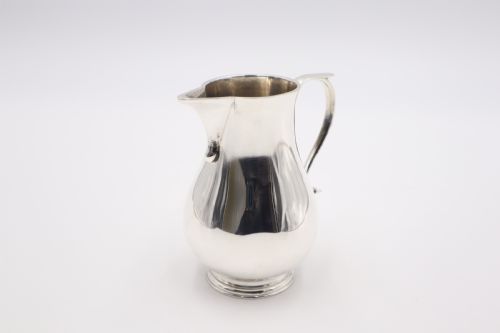
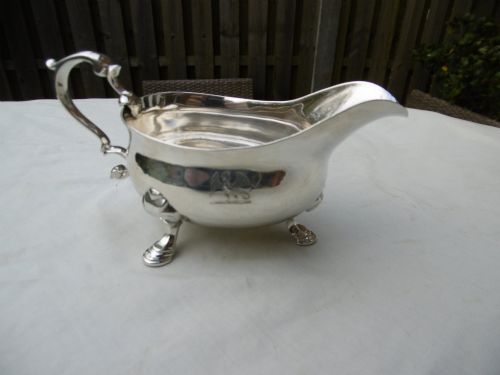
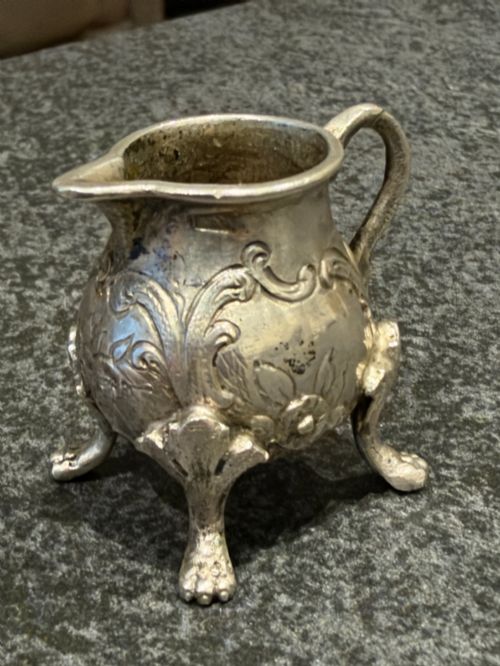
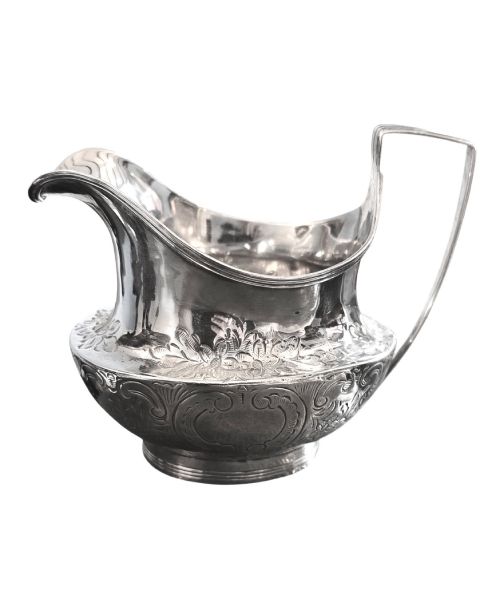
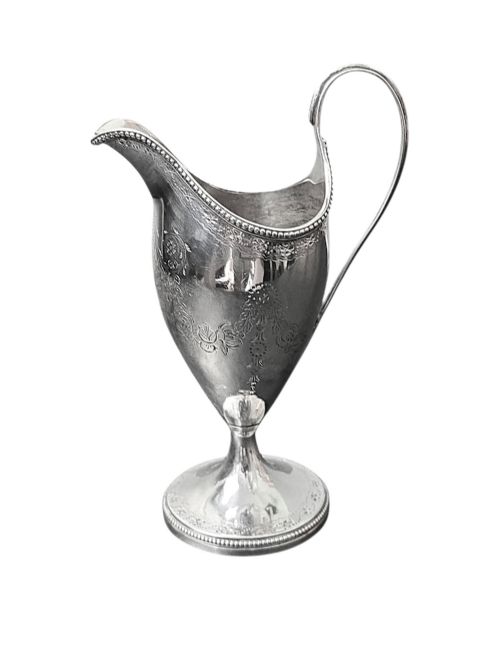
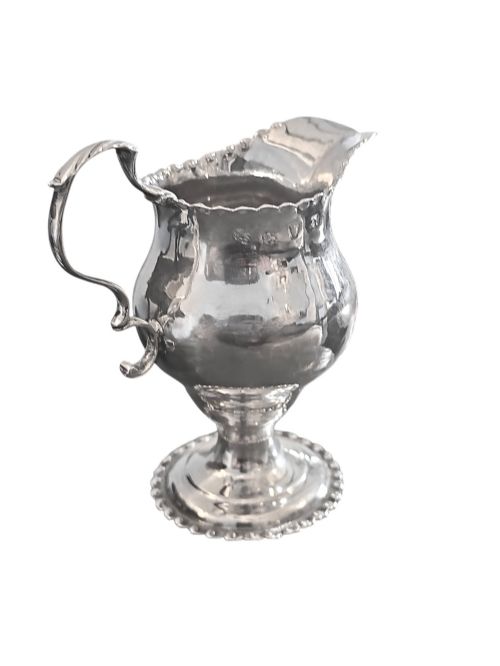
When you search for antique silver cream, you encounter vessels designed to hold dairy for tea and coffee services, ranging from small jugs to larger ewers. The listings include Georgian examples from provincial assay offices like Newcastle and Exeter alongside later Victorian pieces.
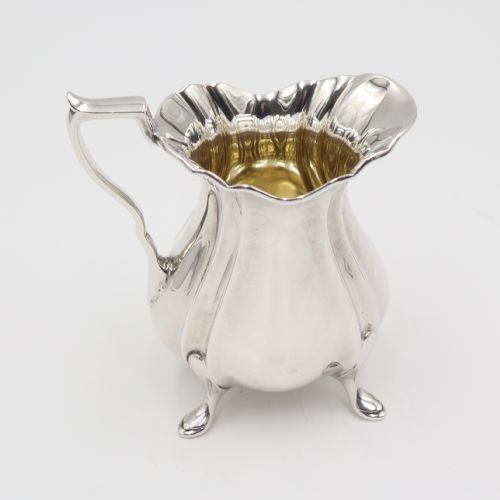
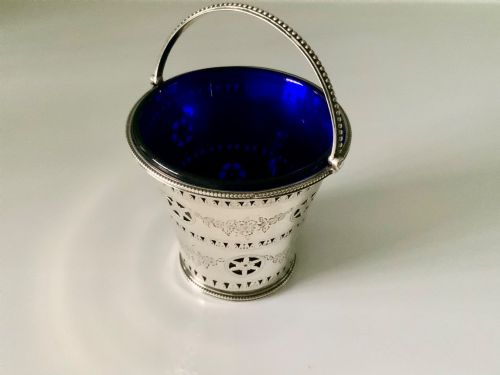
The form evolved from early eighteenth-century pear-shaped jugs on footed bases to pierced cream pails and later milk jugs. Alongside dedicated cream jugs, the selection embraces broader tea services and strawberry sets that incorporate matching cream containers.
Origins stretch across the eighteenth, nineteenth and early twentieth centuries, capturing shifts in domestic dining habits. Provincial centres and London makers alike contributed distinct regional variations to the form.
How they were made
Silversmiths shaped sterling silver through hammering, raising and casting, often adding applied wire rims and cast handles to the body. Pierced cream pails utilised intricate piercing and engraving techniques to create delicate openwork patterns.
Silver plated versions relied on depositing silver over base metals, a method that became widespread during the nineteenth century for larger tea and coffee services. Assay offices in London, Birmingham and Chester stamped pieces to guarantee the metal standard.
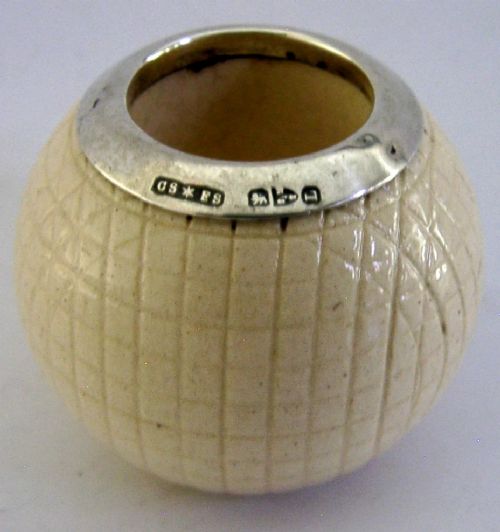
Details such as hinged lids, sterling collars on stoneware, and hand-chased floral motifs demonstrate the range of subsidiary skills employed by makers.
Antique Silver Cream Retail Price Guide 2026
Typical asking prices for silver cream among the pieces listed under this phrase on Sellingantiques today, from the lower quarter to the upper quarter. They describe what is for sale here now, not the wider market.
What varies in quality
The distinction between ordinary and exceptional pieces rests on the crispness of the chasing, the weight of the silver, and the elegance of the handle attachment. Pieces featuring pierced work demand a high degree of precision from the silversmith to maintain structural integrity.
Provincial provenance and legible hallmarks by recorded makers elevate the standing of a cream jug. The retention of original gilding to the interior and undamaged spouts mark the difference between standard domestic ware and superior examples.
Stalker and Mitchison·Aldridge and Green·Daniel Arter·Walker and Hall·A. Bromet and Co·Georg Jensen
The Antique Silver Cream Glossary
- Hallmark
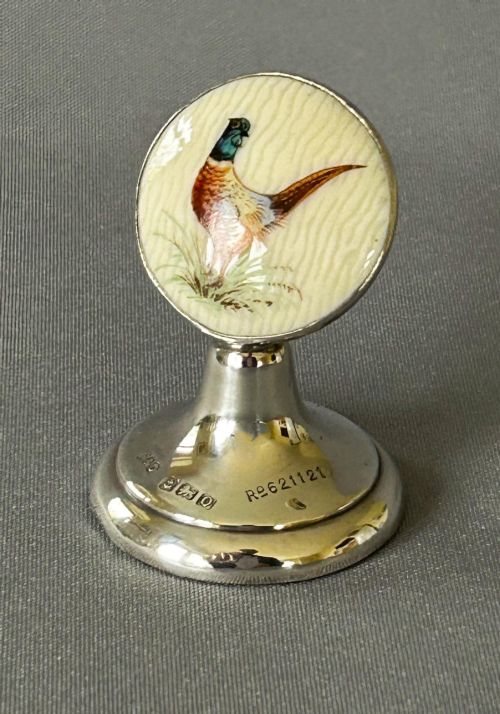
- Official marks stamped on precious metals to indicate the maker, standard of purity, assay office, and year of testing. These stamps provide the primary evidence for dating British silver.
- Ewer
- A large jug with a wide spout and curved handle, often used for water or cream in formal table settings. Eighteenth-century examples frequently feature elevated footed bases.
- Pierced work
- Metal cut through to create decorative openwork patterns, common in sugar baskets and cream pails of the Georgian period. This technique lightens the visual weight of the silver.
- Assay office
- An official body charged with testing the purity of precious metal items before sale. Towns such as Chester, Birmingham, Newcastle and London maintained distinct assay offices.
- Sterling silver
- An alloy of silver containing ninety-two point five percent silver and seven point five percent other metals, usually copper. This standard has been enforced by British assay offices for centuries.
Antique Silver Cream: Frequently Asked Questions
Were these jugs used only for cream?
While primarily intended for serving cream alongside tea and coffee, many eighteenth and nineteenth-century examples served dual purposes for milk or hot water. Their capacities varied according to the scale of the matching service.
Smaller jugs suited intimate settings, while larger ewers accommodated formal gatherings and multi-piece tea services.
How can I tell a Georgian jug from a Victorian one?
Georgian jugs often display lighter gauge silver with helmet bodies, pear shapes, or delicate tripod feet. Their decoration relies on bright-cut engraving or simple gadroon borders.
Victorian pieces tend to be heavier, sometimes forming part of larger four-piece tea and coffee sets with more elaborate floral chasing and cast handle designs.
What does sterling silver mean on these pieces?
Sterling silver indicates an alloy composed of ninety-two point five percent pure silver. British pieces feature hallmarks that verify this standard through the lion passant or similar regional marks.
Items without these marks are typically described as silver plated, indicating a thin layer of silver over a base metal core.