


Antique Silver Center
An antique silver centre brings commanding presence to a dining table, uniting cut glass, sterling silver and plate in grand display.
Antique Silver Center
An antique silver centre comprises elaborate centrepieces, bowls, baskets and specialised serving furniture designed to anchor a formal interior layout. These objects range from massive Edwardian and Victorian silver-plated candelabras and epergnes down to Georgian tables and low presentation dishes.
The most frequent encounters on this page involve Victorian and Edwardian silver-plated centrepieces featuring cut glass inserts, alongside solid sterling examples from British and international makers. Table forms in mahogany and walnut also appear, reflecting the broader category of furnishings designed for the middle of a room.
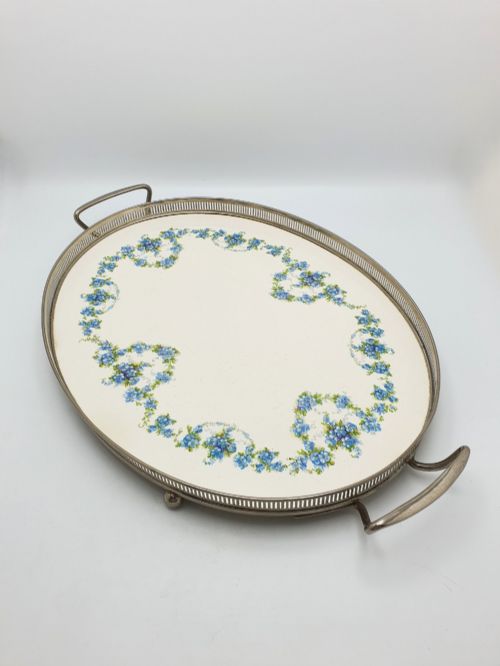
Stylistic influences span widely across the selection, encompassing George III, Regency, Louis XVI, Continental Decorative and Anglo-Indian colonial traditions. Buyers encounter everything from simple pierced oval dishes to figural silver plate and elaborate glass comports.
Materials and construction methods
Silversmiths utilised solid sterling silver and heavy silver plate over base metals, frequently combining metalwork with heavy cut glass, crystal and mirrored plateaux. Wooden pieces incorporate mahogany and walnut alongside applied silver or ormolu inlays.
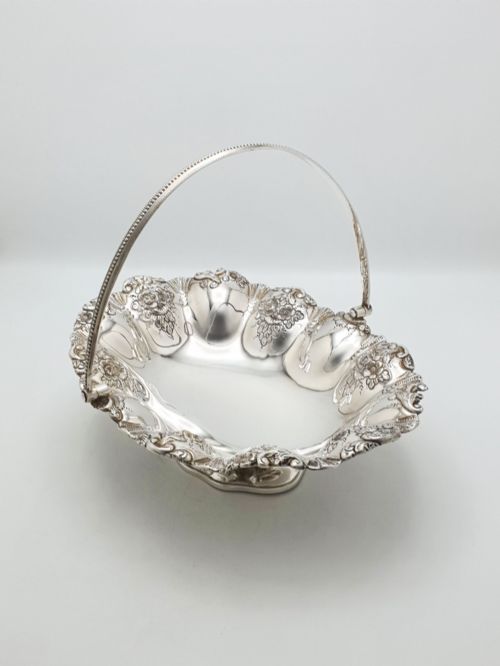
Decorative surface techniques recorded in the evidence include floral repoussé work, hand engraving, piercing and cast figural elements. Old Sheffield plate and electroplating methods underpin the plated items, whilst traditional cabinetmaking defines the wooden tables.
Periods range from the seventeen hundreds through the Victorian and Edwardian eras into the nineteen thirties.
Distinctions in standard and execution
Quality rests upon the crispness of cast and repoussé ornamentation, the weight of the silver or plate, and the integrity of any associated cut glass or crystal components. Finer pieces demonstrate superior hand-finishing in chased details and structural joinery.
Provenance and maker reputation elevate specific pieces, distinguishing standard commercial production from the exceptional work of known makers and silversmiths. The integration of complex multi-tier frames, figural supports or matched glass inserts further separates high-tier examples.
Joseph Rodgers·Martin Hall·Charles Stuart Harris·Elkington·Thomas Bradbury·S Kirk And Son Company
The Antique Silver Center Glossary
- Centrepiece
- A large decorative object placed in the middle of a dining table for display or service. These often incorporate bowls, baskets or branches for candles.
- Epergne
- An ornamental tabletop centerpiece featuring a central bowl with multiple hanging baskets or arms branching outwards. They frequently combine silver frames with cut glass.
- Repoussé
- A metalworking technique where the design is hammered into relief from the reverse side. This method creates textured floral and scroll motifs on rims and bowls.
- Salver
- A flat round tray used for serving or presentation, typically supported on small feet. Sterling silver examples often date to the Georgian period.
- Comport
- A shallow dish raised on a stem and foot, utilised for serving fruit or sweets. They commonly appear paired with engraved or cut glass bowls.
Antique Silver Center: Frequently Asked Questions
What is an antique silver center?
An antique silver centre refers to decorative tableware and furnishings designed to anchor a room or table, including large centrepieces, epergnes, bowls and dedicated centre tables.
These items date predominantly from the eighteenth, nineteenth and early twentieth centuries, spanning styles from Georgian elegance to Victorian exuberance and Edwardian refinement.
How were silver centrepieces used?
Historically, these pieces occupied the middle of a dining table or sideboard to hold fruit, flowers, sweetmeats or lighting during formal meals.
Many incorporated removable glass bowls, baskets or candle branches, allowing hosts to adapt the setup for different courses and occasions.
How do I care for silver plate?
Silver plate requires gentle cleaning with non-abrasive polishes specifically formulated for plated metals to avoid wearing through the thin silver layer.
Glass inserts and crystal components are best washed separately in warm soapy water without harsh chemicals.
How do I distinguish sterling from plate?
Sterling silver items bear official hallmarking stamps indicating silver purity, city of assay and date letter according to British standards.
Silver plate relies on maker marks or alternative nomenclature such as Old Sheffield plate, indicating a layer of silver fused or electroplated over a base metal.