


Antique Silver Buckle Clasp
These antique silver buckle clasp items are small, fastening fastenings and dress ornaments that secure garments while adding distinct period character.
Antique Silver Buckle Clasp
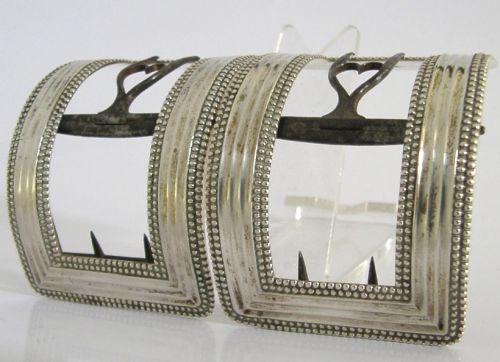
When you search for an antique silver buckle clasp, you are looking at functional dress fastenings and decorative accessories spanning the eighteenth, nineteenth, and early twentieth centuries. The selection encompasses various forms including shoe buckles, belt buckles, choker buckles, and waist belt clasps. These items served both utilitarian and ornamental purposes across different social contexts and wardrobes.
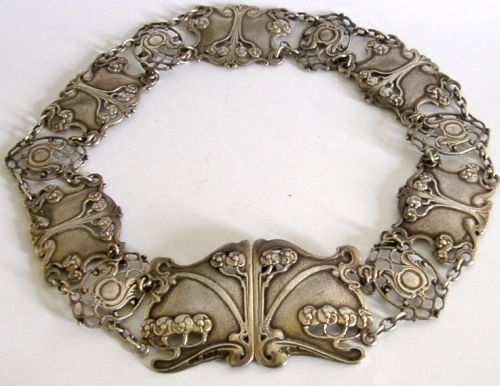
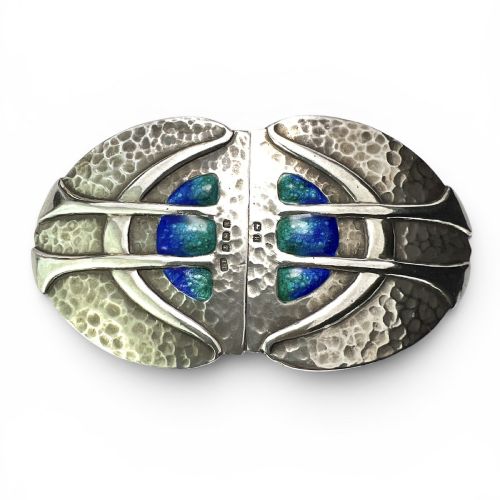
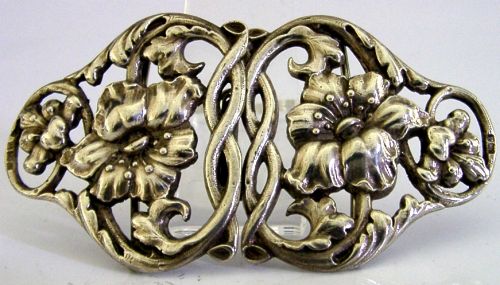
The pieces you are most likely to meet on this page originate from the Georgian, Victorian, and Edwardian eras. Shoe buckles from the mid-eighteenth century appear alongside Art Nouveau belt buckles from the early nineteen hundreds. Functional nurse buckles from the twentieth century also form part of the recorded selection, demonstrating how these objects evolved in use.
Geographic origins and cultural styles vary across the listed items, including English, French, Austrian, Irish, and Straits Chinese Peranakan examples. Makers and designers range from individual Birmingham silversmiths to larger firms such as Liberty and Osiris. Whether intended for a pair of shoes, a sash, or a nurse's uniform, each piece reflects the prevailing fashion of its period.
Materials and Technique
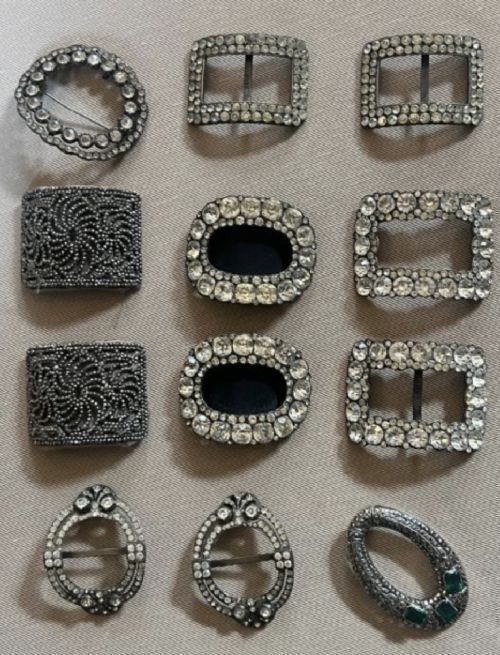
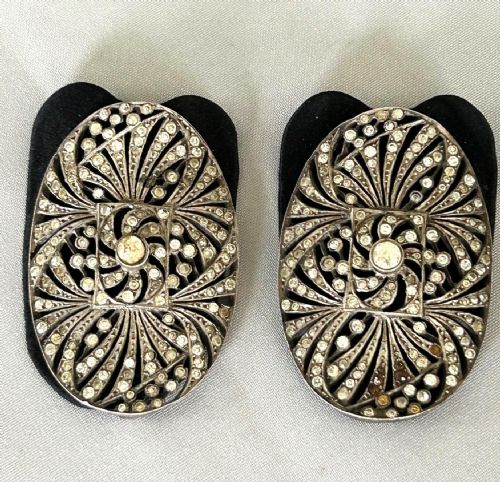
Makers utilised solid sterling silver, silver gilt, and standard silver alongside steel, pewter, and eighteen carat yellow gold. Many items incorporate supplementary decorative elements such as paste glass, crystal, turquoise, garnets, and enamel. Vitreous enamel and coloured glass paste provide vibrant contrast to the polished metal surfaces.
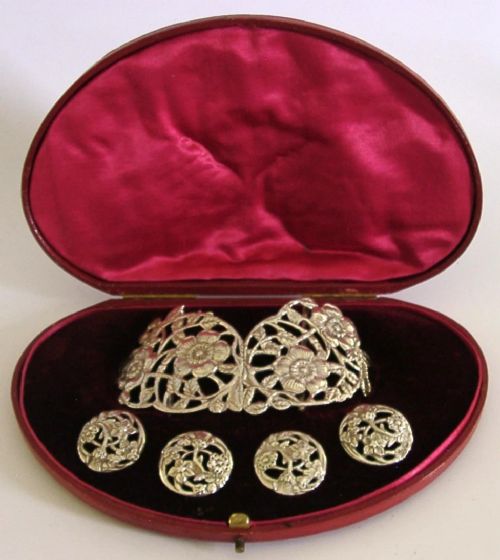
Construction methods recorded in the listings include casting, filigree work, and hand-setting of stones. Silversmiths shaped solid silver into intricate floral, figurative, and geometric motifs typical of the Georgian, Arts and Crafts, and Art Nouveau styles. Cased sets combine matching buttons with central belt buckles to form coordinated dress accessories.
Assessing Quality
The distinction between standard examples and the finest items rests on the precision of the metalwork and the quality of the stones. Cast silver displaying crisp, deep relief work and well-defined chased details represents superior craftsmanship compared to simpler pressed metal. The integration of hand-set paste crystals or vibrant enamel work elevates the artistic merit of a piece.
Provenance and maker attribution also influence the standing of an object. Pieces bearing clear hallmarks from known silversmiths or produced by prominent retailers command greater interest from collectors. The complexity of the design, whether an elaborate Straits Chinese gilt silver belt buckle or a delicate filigree shoe buckle, dictates the overall character of the item.
James Fenton·Henry Matthews·Peter Behrens for Osiris
The Antique Silver Buckle Clasp Glossary
- Paste glass
- Faceted glass used to imitate precious gemstones in antique jewellery and shoe buckles. It was often backed with coloured foil to enhance brilliance.
- Silver gilt
- Silver objects that have been coated with a thin layer of gold on the surface. This technique provides the rich appearance of solid gold.
- Filigree
- Delicate jewellery-making technique using fine threads of gold or silver soldered together in openwork patterns. It creates a lace-like metallic effect.
- Straits Chinese
- Cultural style associated with the Peranakan Chinese communities of Southeast Asia. Items feature distinctive motifs and heavy gilt silver craftsmanship.
- Vitreous enamel
- Glass fused to the surface of metal through high-temperature firing. It provides durable, glossy colour decoration on buckles and clasps.
Antique Silver Buckle Clasp: Frequently Asked Questions
What were shoe buckles used for?
Georgian shoe buckles were decorative fastenings worn on the instep of shoes during the eighteenth century. They attached directly to the shoe laces or leather flaps to secure the footwear.
Beyond their practical function, they served as prominent status symbols and fashion accessories. Wealthy individuals wore large pairs embellished with paste glass and precious metals to display their social standing.
How do I wear a vintage belt buckle?
Vintage belt buckles can be fitted onto compatible fabric sashes, leather bands, or elasticated waist belts. They serve as a focal point for dresses, coats, and tailored trousers.
When attaching an antique clasp, ensure the securing bar or pin matches the thickness of your chosen strap. This prevents strain on the historical metalwork during regular daily use.
What is a nurse buckle?
Nurse buckles were functional silver belt clasps worn by healthcare professionals during the late nineteenth and early twentieth centuries. They formed part of the uniform attire.
These pieces often featured specific organizational motifs or sterling silver hallmarks. Today, they are collected as distinct examples of utilitarian Edwardian and mid-century silverwork.
How do I date an antique silver buckle?
Dating an antique silver buckle involves examining the hallmarks stamped into the metal, which indicate the assay office, standard of silver, and year of manufacture. Stylistic clues also provide reliable chronological markers.
For example, flowing organic lines indicate Art Nouveau production from the nineteen hundreds, whilst heavy geometric paste settings typically point to the eighteenth century Georgian period.