





Antique Silver Brush
An antique silver brush brings tactile elegance to the dressing table, offering a glimpse into refined daily rituals through enduring metalwork and natural bristles.
Antique Silver Brush
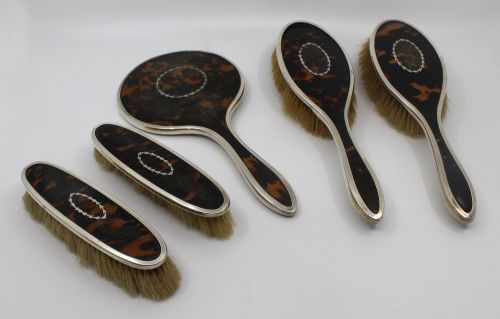
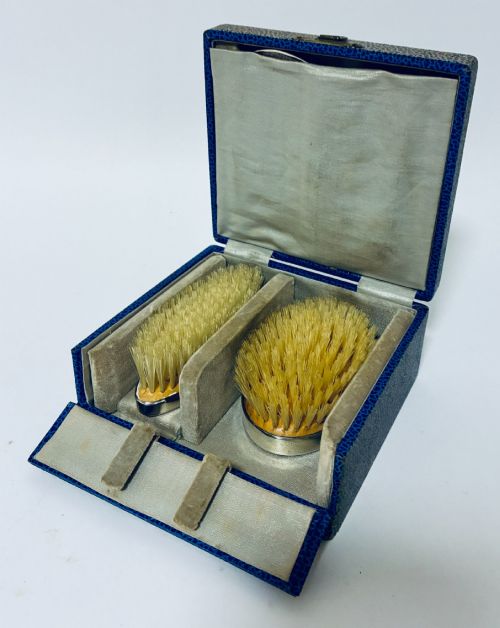
When you search for an antique silver brush, you encounter personal grooming implements primarily spanning the Victorian, Edwardian, and Art Deco periods, alongside mid-twentieth-century vanity pieces. These objects range from clothes brushes and shaving sets to complete dressing table and vanity sets incorporating sterling silver.
The pieces on this page reflect diverse stylistic movements, moving from ornate nineteenth-century designs to the geometric lines of Art Deco and French Belle Epoque. Alongside standard vanity accessories, related items such as brush pots and clothes brushes appear, representing the varied personal care habits of past eras.
Materials and construction methods
The construction of these items relies heavily on sterling silver mounts paired with functional natural bristle to ensure durability during daily grooming. Makers often integrated contrasting elements like glass, velvet, silk, and faux tortoiseshell to enhance the visual appeal of vanity sets and clothes brushes.
Techniques varied from traditional silversmithing applied to solid silver novelties to mixed metal work seen in Japanese Meiji period pieces. Pewter and steel also surface in related desk and household accessories, demonstrating the wide scope of metalworking traditions utilised.
Antique Silver Brush Retail Price Guide 2026
Typical asking prices for silver brush among the pieces listed under this phrase on Sellingantiques today, from the lower quarter to the upper quarter. They describe what is for sale here now, not the wider market.
Listings feature sterling silver, natural bristle, glass, and faux tortoiseshell across Victorian, Edwardian, and Art Deco periods.
Assessing quality and craftsmanship
Quality in these items is determined by the weight and thickness of the sterling silver, the crispness of any chased or embossed ornamentation, and the secure setting of the natural bristles. Superior examples display hallmarks that confirm the maker and assay office clearly, indicating domestic or workshop distinction.
The integrity of secondary materials, such as the depth of cut glass or the preservation of faux tortoiseshell and guilloche enamel, further separates finer vanity pieces from standard utility wares. Superior execution in stylistic details, whether Art Nouveau curves or Art Deco geometry, elevates the overall standing of the piece.
Asprey and Co·Orivit
The Antique Silver Brush Glossary
- Sterling silver
- A silver alloy containing 92.5 percent pure silver and 7.5 percent other metals, usually copper, chosen for its durability in functional objects.
- Natural bristle
- The stiff hair traditionally harvested from hogs or boars, firmly set into the brush head to withstand regular grooming use.
- Guilloche enamel
- A decorative technique where intricate geometric patterns are mechanically engraved beneath a translucent layer of enamel colour.
- Vanity set
- A coordinated collection of dressing table accessories, typically comprising brushes, a mirror, and comb, designed for personal grooming.
Antique Silver Brush: Frequently Asked Questions
What are antique silver brushes made of?
These items predominantly feature sterling silver mounts combined with natural bristle for the functional brush portion. Additional materials like glass, silk, velvet, and faux tortoiseshell frequently appear in matched vanity sets.
Makers also utilised alternative metals such as pewter and bronze depending on the period and origin, ensuring both decorative appeal and everyday utility.
How do I date an antique silver brush?
Dating relies heavily on legible hallmarks stamped onto the silver mount, which indicate the assay office, standard of metal, and date letter for the specific year of manufacture. Stylistic indicators, such as Victorian ornamentation or Art Deco geometric forms, provide a reliable secondary guide.
Examining the construction methods and secondary materials, like faux tortoiseshell or guilloche enamel, helps narrow the production era further.
How were vanity brushes used originally?
These implements formed an essential part of daily grooming routines on Victorian and Edwardian dressing tables, used specifically for smoothing hair and brushing clothes. They were often kept on display as part of a larger matching vanity set.
Personal care at the time emphasised meticulous upkeep of garments and hair, making these handled brushes both practical tools and status items.
How do I care for an antique silver brush?
Maintenance requires gentle cleaning of the sterling silver using a specialised, non-abrasive polish to preserve the hallmarks and surface detail. Natural bristles should be carefully cleared of dust without submerging the entire mount in water, particularly if the brush incorporates glued organic elements or fabric backing.
Storing pieces in a dry environment prevents tarnishing of the metal and protects delicate components like enamel or faux tortoiseshell.