



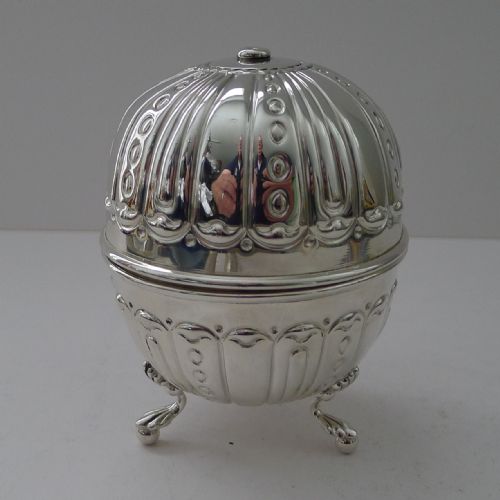

Antique Silver Ball
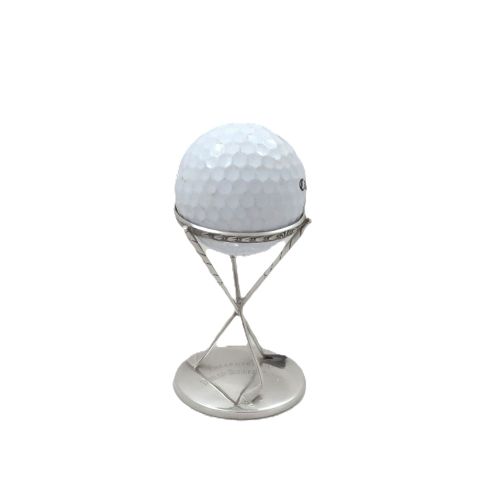
An antique silver ball brings tactile history to a desk or cabinet, taking forms from string boxes to golf ball stands.
Antique Silver Ball
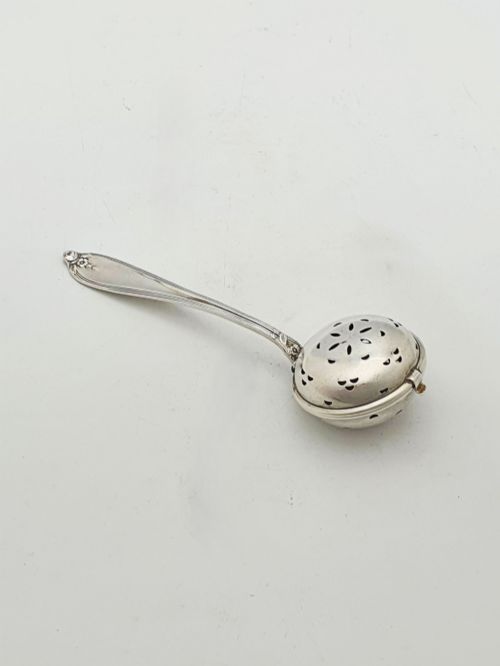
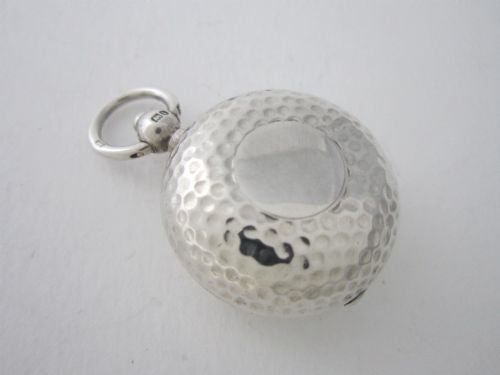
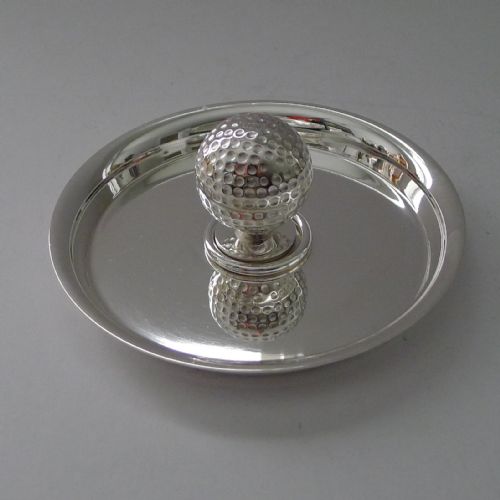
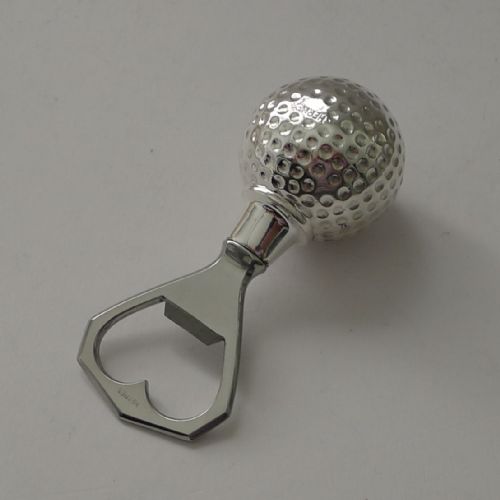
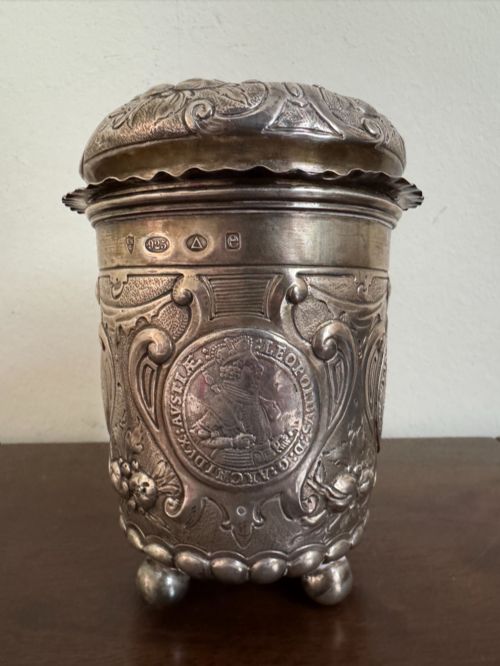
When you search for an antique silver ball, you are looking at functional and decorative objects created in sterling silver and silver during the Georgian, Victorian, and Edwardian periods. These pieces include desk accessories like string boxes, sporting items such as golf ball stands, and household display pieces.
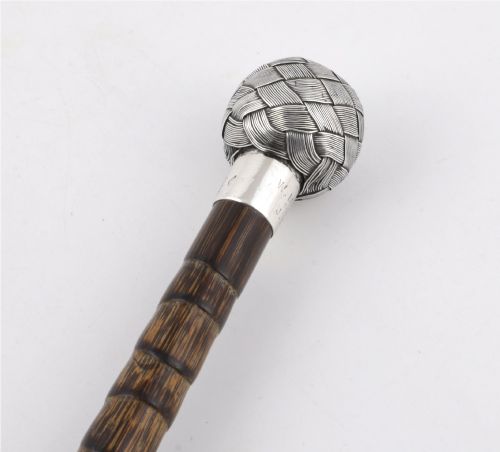
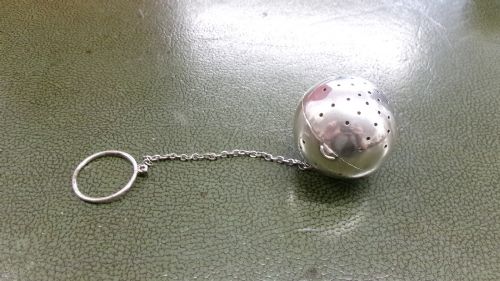
The most common versions met on this page are Victorian and turn-of-the-century desk items, including string or twine holders designed for office use. Other examples incorporate spherical elements into walking sticks and canes or appear as larger decorative spheres from the nineteenth century.
Materials and construction
The primary material found across these items is sterling silver, worked into spherical forms through spinning, hammering, or casting. Many desk accessories and stands pair this silver body with internal wooden or weighted components to provide stability.
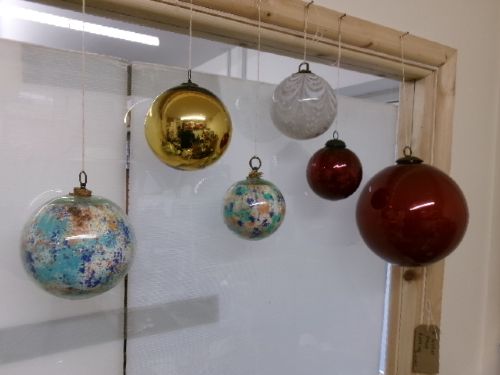
Makers also integrated spherical silver mounts and wire balls into other materials such as bamboo canes and root wood for walking sticks. Mercury glass creates distinct large spherical decorative objects belonging to the same broad category.
Antique Silver Ball Retail Price Guide 2026
Typical asking prices for silver ball among the pieces listed under this phrase on Sellingantiques today, from the lower quarter to the upper quarter. They describe what is for sale here now, not the wider market.
Some nineteenth-century silver balls doubled as cunning hiding places for tightly wound balls of twine.
Determining quality in silver balls
Quality rests upon the crispness of the metalwork, the weight of the sterling silver used in the sphere, and the integrity of any chased or embossed decoration. Pieces that retain clear hallmarks and solid construction demonstrate superior workshop standards.
The sophistication of the mechanical design also dictates worth, particularly in functional objects like string boxes where the aperture and lid must align precisely. Finer examples show careful attention to internal fittings and associated materials like fitted wooden bases.
William Comyns·Elkington and Co·Walker and Hall
The Antique Silver Ball Glossary
- Sterling silver
- A silver alloy containing 92.5 percent pure silver and 7.5 percent other metals, usually copper, chosen for durability. This standard appears widely across British hallmarked items.
- Hallmark
- An official stamp applied to precious metals indicating the standard of purity, the assay office, and the year of manufacture. These marks help date and authenticate silver objects.
- String box
- A container specifically designed to hold a ball of twine or string, featuring a small aperture at the top for dispensing. They were essential desktop accessories in Victorian and Edwardian offices.
- Mercury glass
- A type of blown double-walled glass coated with a silvering liquid inside, popular during the nineteenth century. These reflective spheres are often termed witch balls.
- Assay office
- A body charged with testing the purity of precious metal items and applying statutory hallmarks. Towns such as London and Birmingham operated prominent offices.
Antique Silver Ball: Frequently Asked Questions
What was an antique silver string box used for?
These containers held balls of twine or string on desks in homes and offices during the Victorian and Edwardian eras. The string fed through a central hole in the spherical lid to keep workspace cord tidy.
They offered a decorative solution to a practical stationery need, often matching other desk accessories like inkstands and stamp boxes.
How do I date an antique silver ball?
Dating relies heavily on the hallmarks stamped into the silver, which record the assay office and date letter for the year of creation. Stylistic clues such as floral chasing or plain geometric forms also point to specific periods like the Victorian era or 1900.
Comparing the construction methods and any accompanying wooden or glass elements provides further context for the decade of manufacture.
How should I clean antique silver balls?
Careful dusting with a soft cloth removes everyday particles without harming the metal surface or wearing down raised decoration. Avoid abrasive cleaners or harsh chemical dips that strip the natural patina accumulated over decades.
If polishing is necessary, use a specialist silver cloth and gentle strokes, taking care around engraved details and hallmarked areas.