


Antique Silk Tapestry Panel
An antique silk tapestry panel brings historic textile art into contemporary interiors through intricate hand-stitched needlework and rich regional designs.
Antique Silk Tapestry Panel
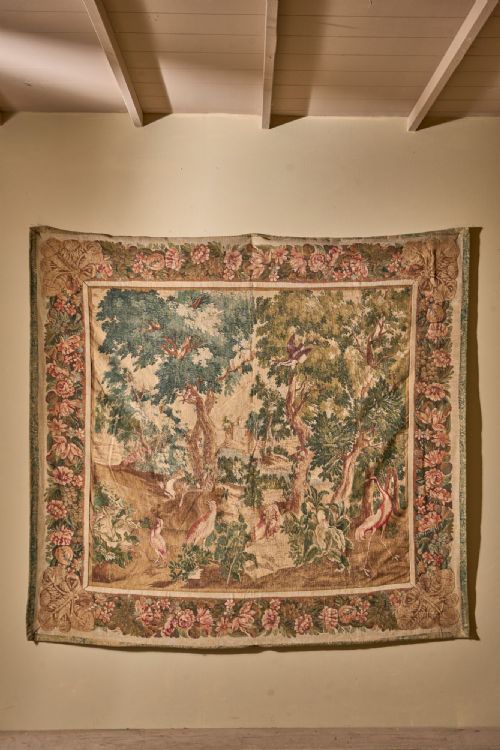
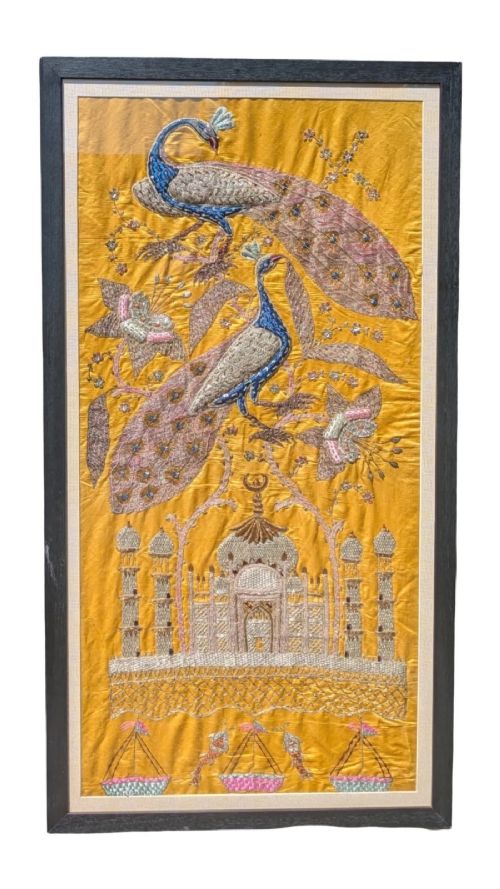
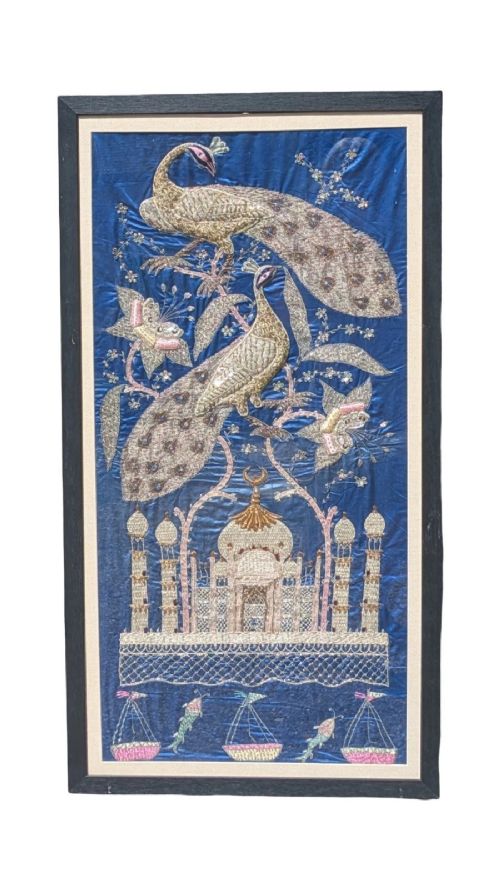
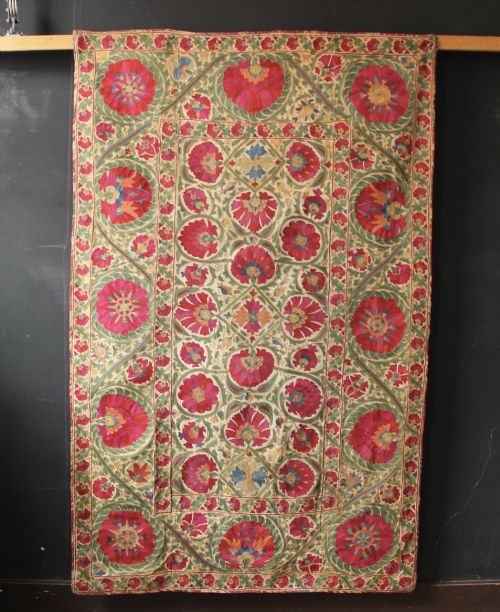
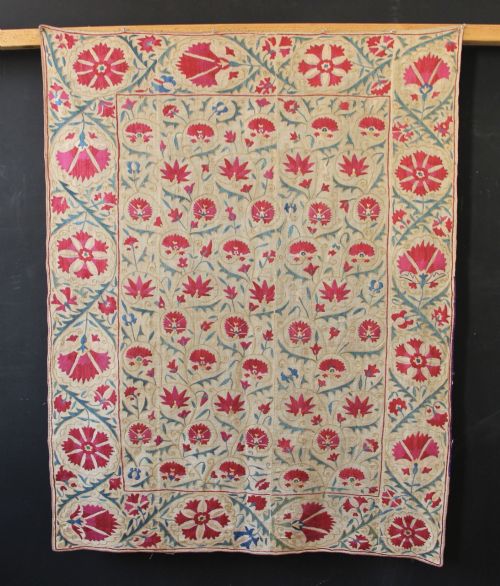
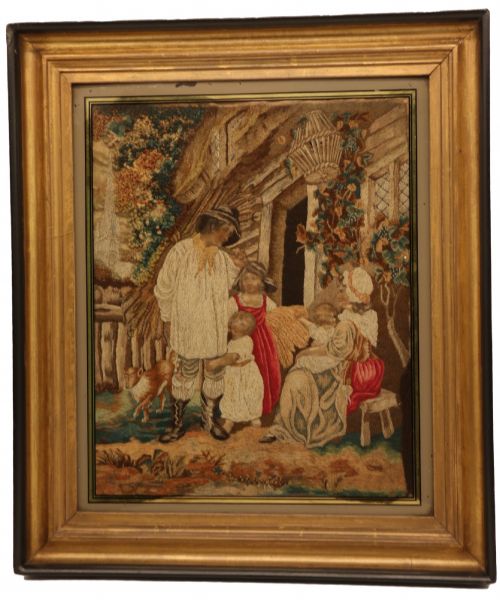
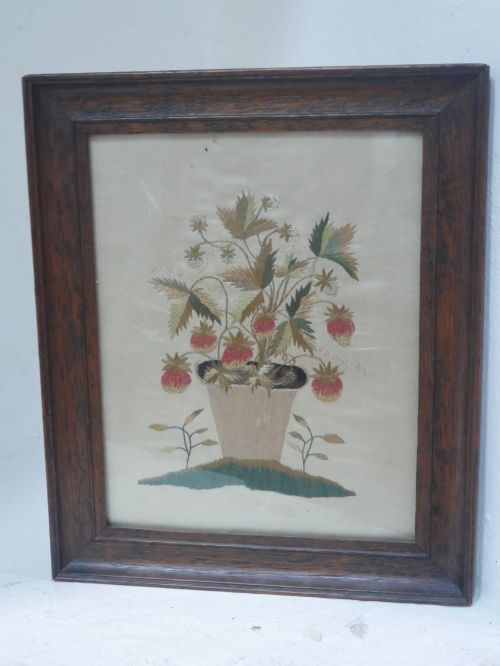
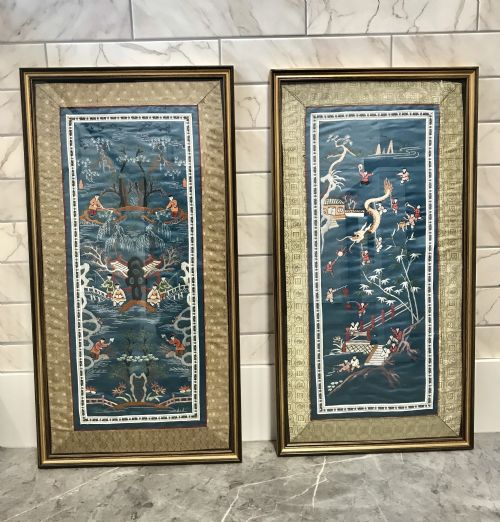
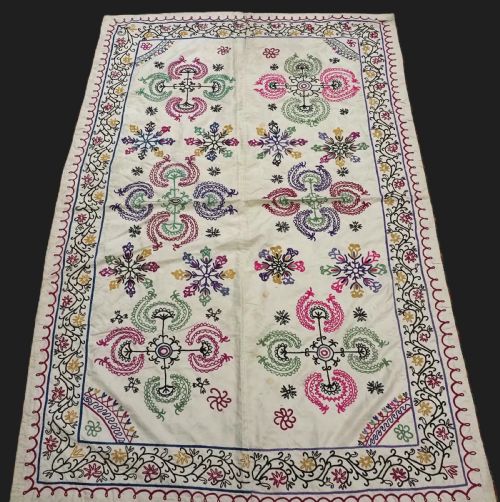
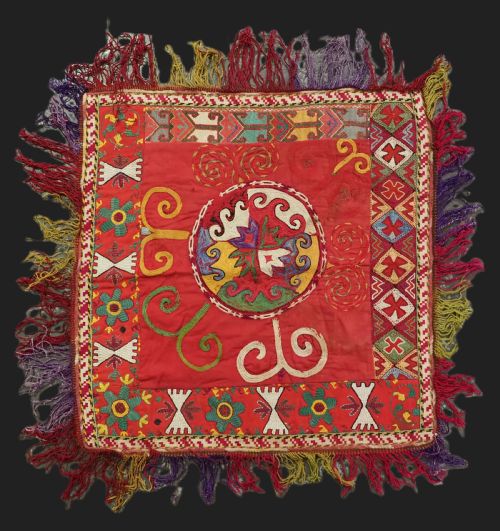
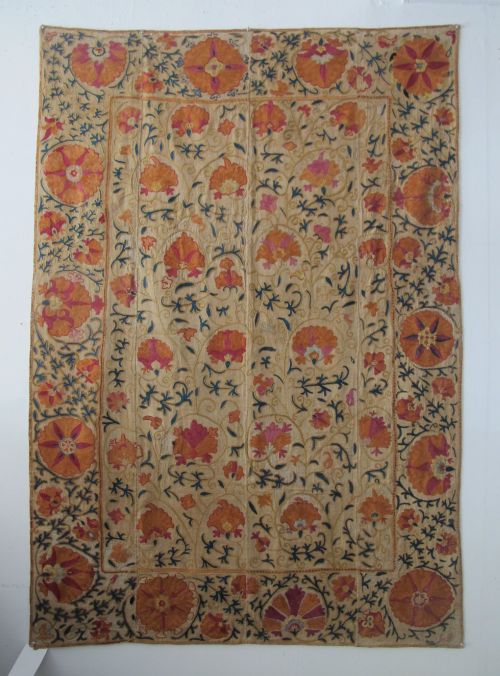
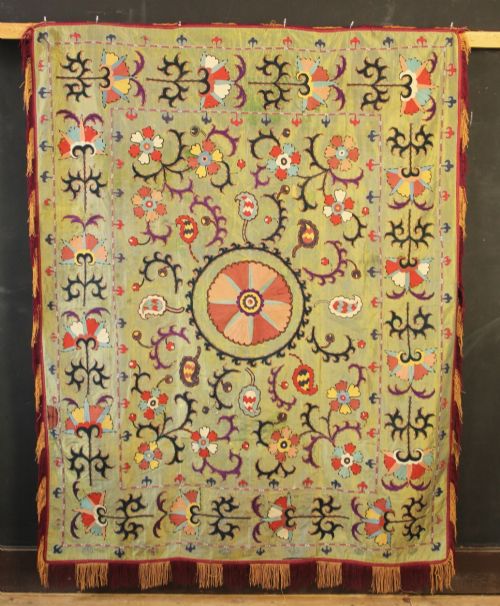
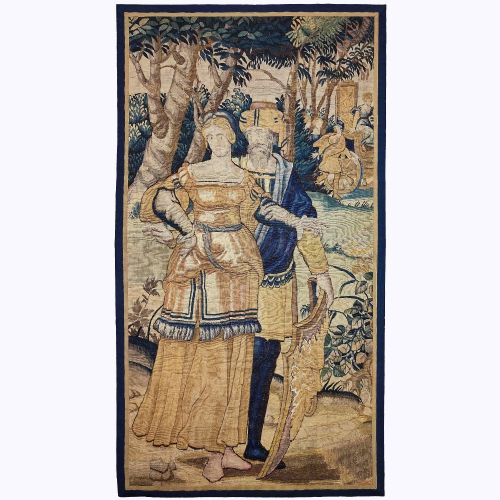
An antique silk tapestry panel encompasses a wide variety of textile art, ranging from Central Asian Suzanis and tribal wall hangings to European framed needlework and Flemish verdure fragments. Buyers searching for an antique silk tapestry panel will discover pieces spanning multiple centuries, with particular representation from the nineteenth and early twentieth centuries. These textile works function primarily as wall art, bringing texture, pattern, and historic narrative into domestic spaces.
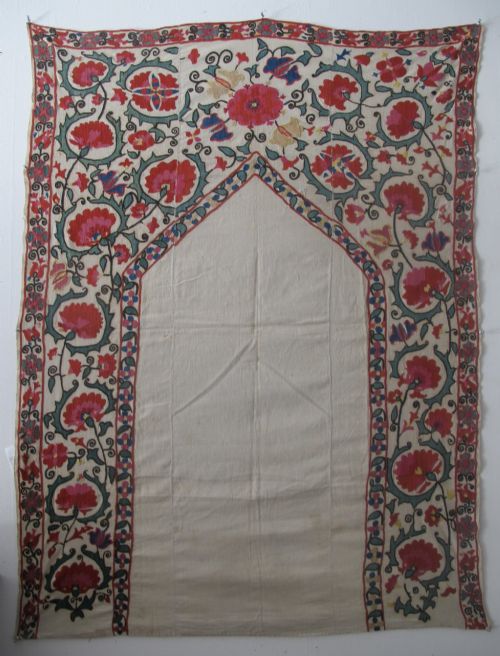
Central Asian Suzanis dominate the selection, utilising silk thread on cotton or linen grounds, often created as dowry embroideries or yurt wall hangings by tribal groups such as the Lakai. These pieces display architectural motifs, star medallions, and botanical designs executed in vibrant local palettes. Alongside these, English and Chinese needlework pieces provide alternative aesthetic traditions focused on floral compositions, figures, and birds.
Assessing quality in antique textiles
Quality in these textile works resides in the density and precision of the hand-stitching, the complexity of the design layout, and the preservation of the original silk threads. Superior examples exhibit fine, even needlework that maintains structural integrity across the entire composition, whereas lesser pieces may show looser stitching or simplified motifs.
The artistic merit of the composition, the saturation and survival of natural colour pigments, and the completeness of regional design elements separate standard examples from exceptional ones. Additionally, the survival of early ground fabrics without extensive later restoration elevates the standing of a panel.
Several Central Asian examples began life as ceremonial horse covers before finding a permanent retirement as decorative wall art.
The Antique Silk Tapestry Panel Glossary
- Suzani
- An embroidered tribal textile originating from Central Asia, traditionally created by brides as part of a dowry. These pieces typically feature bold floral and botanical motifs worked in silk on a cotton or linen ground.
- Ikat
- A dyeing technique where the warp or weft threads are tie-dyed before weaving to create intricate, slightly blurred patterns. Fabric panels produced this way are common in Central Asian textile traditions.
- Verdure tapestry
- A European woven wall hanging depicting a stylised landscape dominated by trees, foliage, and plants. These panels often date from the seventeenth and eighteenth centuries and use wool and silk yarns.
- Nim suzani
- A smaller version of the traditional Central Asian Suzani wall hanging. The prefix indicates a half-size format used for specific domestic spaces or regional dowry requirements.
- Rasht embroidery
- A traditional form of Persian textile art characterised by detailed inlaid and appliqué work using wool felt and vibrant silk threads. Pieces often incorporate central star medallions and complex geometric borders.
Antique Silk Tapestry Panel: Frequently Asked Questions
How were antique silk panels originally used?
Many of these textiles served functional and ceremonial roles in domestic environments, functioning as wall hangings, yurt decorations, or dowry items in Central Asian communities. European examples were often mounted, framed, or integrated into interior architectural schemes as decorative wall coverings.
Over time, surviving fragments and complete panels transitioned from utilitarian domestic objects into collected works of art. Their preservation reflects both their cultural importance and their decorative adaptability in historic homes.
How do I care for a textile wall hanging?
Protecting antique textiles requires keeping them away from direct sunlight to prevent the silk threads and natural dyes from fading. Displaying them in stable environmental conditions away from excessive moisture and heat ensures the ground fabric remains strong.
Professional mounting using archival materials helps distribute the weight evenly across the piece when hung on a wall. Periodic gentle dusting with a soft brush helps maintain the surface without disturbing fragile stitches.
Can I determine the age of a textile panel?
Dating relies on examining the materials, the types of natural or early synthetic dyes used in the silk threads, and the characteristics of the regional stitching style. Comparative analysis with documented examples from specific tribal groups or European workshops provides further historical context.
Construction details, such as the weave of the backing fabric and the type of hand-spun yarn, offer clues to the period of manufacture. However, exact dating often remains an educated estimate within a decade or century based on visible stylistic markers.